Where the red comes from
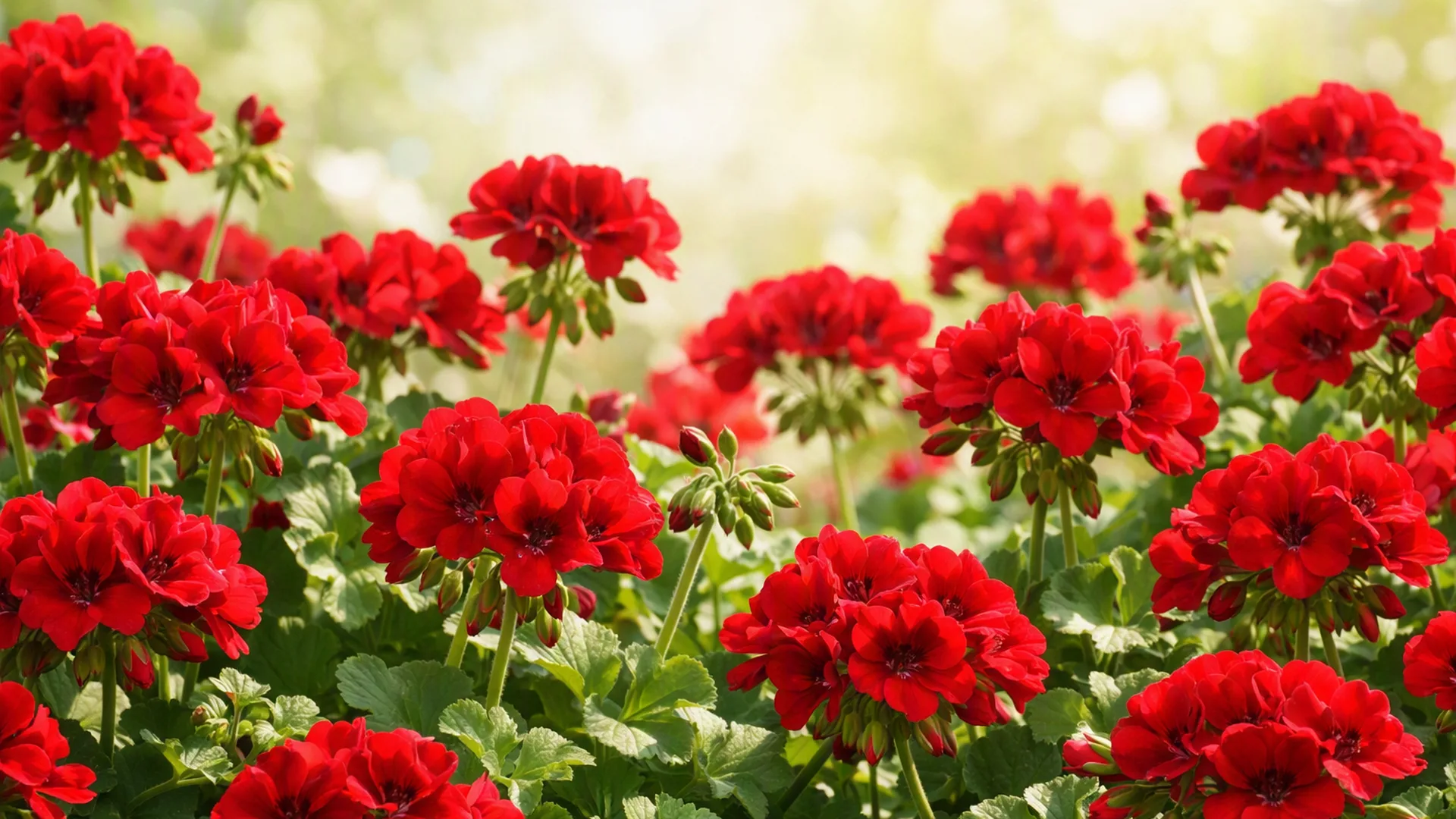
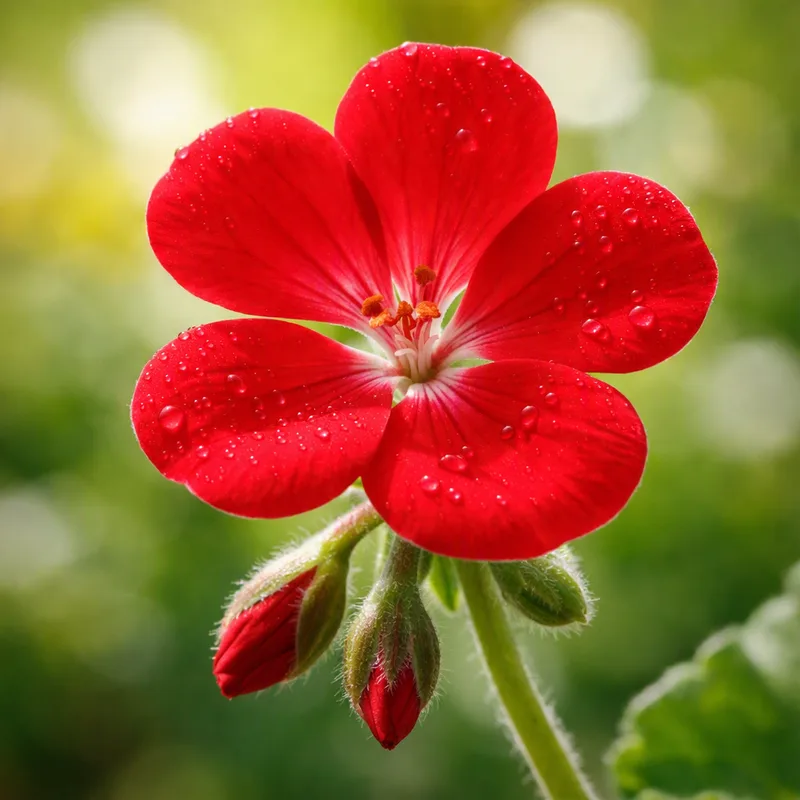
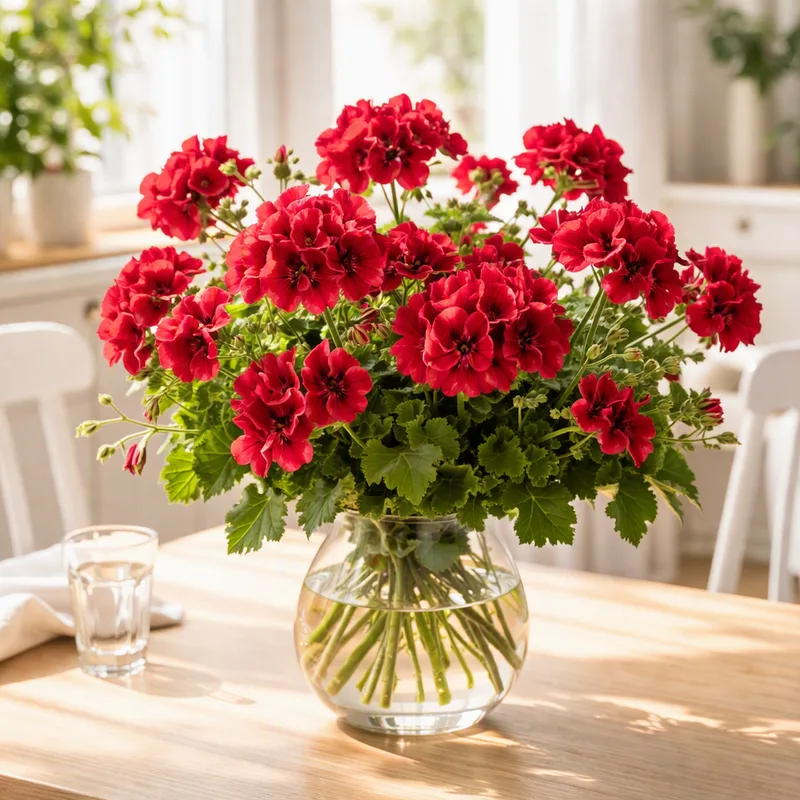
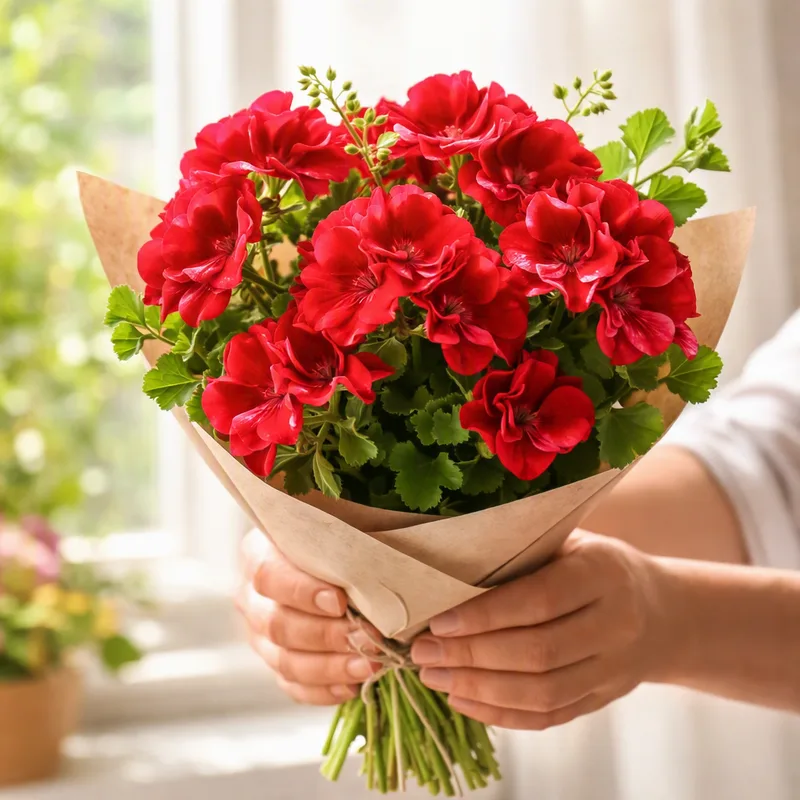
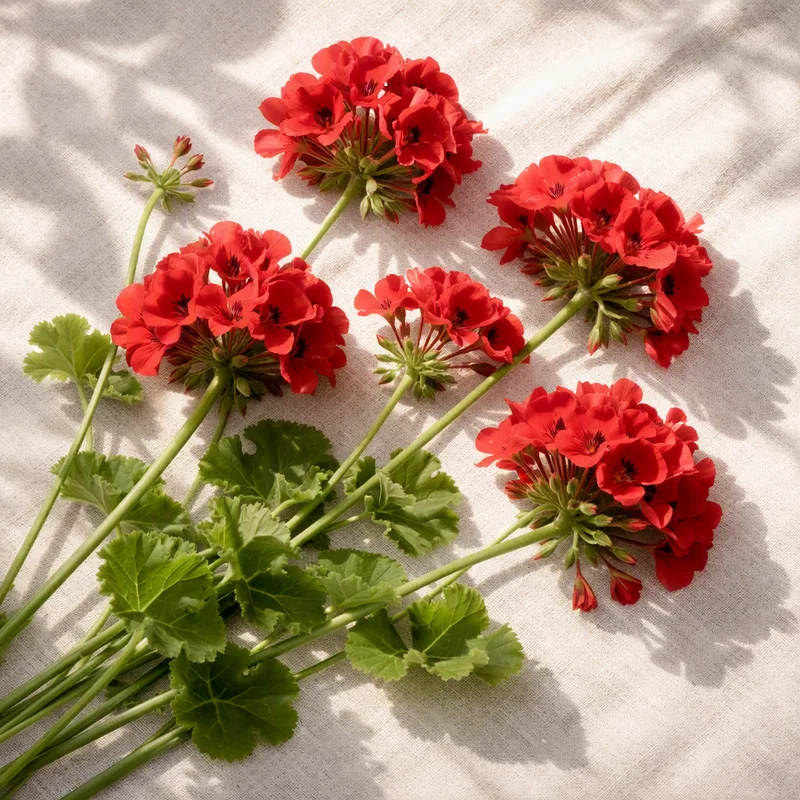
Scarlet is built into the family. One of the wild South African species behind the zonal hybrids, Pelargonium inquinans, has bright red flowers, and breeders took the colour from there. Wikipedia notes that most pelargoniums grown in Europe and North America trace back to South Africa. Plants that originate in dry, sunny country are happy with heat and a little neglect, which is why a red pot by the door often outlives a fussier plant.
Regional differences in Britain
Mild coastal corners of Cornwall and the south-west give pelargoniums a longer outdoor season. Elsewhere, the plant is a summer visitor. In Scotland, the Pennines and frost pockets, wait until early June to plant out. Containers dry out quickly in the sun-baked south-east, so check them daily in July.
Making red pots look their best
- Plant in a mix of compost and a little grit for drainage
- Combine with white or blue companions, such as lobelia, since red can overwhelm other colours
- Deadhead by snapping off old flower stems at the base
- Pinch the tips of young plants for a bushy shape
Safety
Pelargonium is on the ASPCA's toxic list for dogs, cats and horses. Geraniol and linalool are the named culprits, and signs include vomiting, loss of appetite and rashes.
Saving your plants
Take cuttings in late summer, or lift whole plants before frost for a cool, bright spot indoors.