

Britain's own honeysuckle
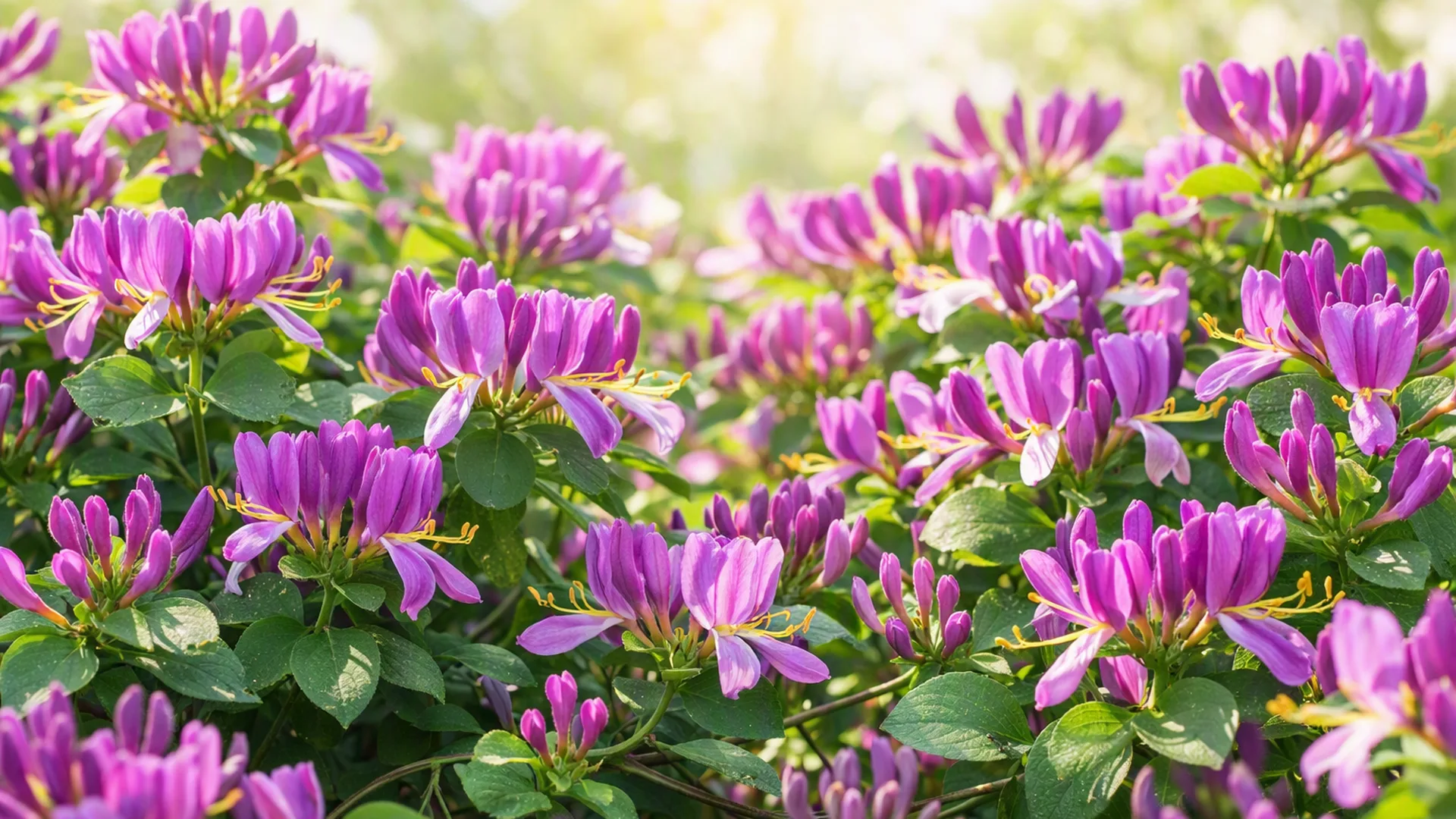
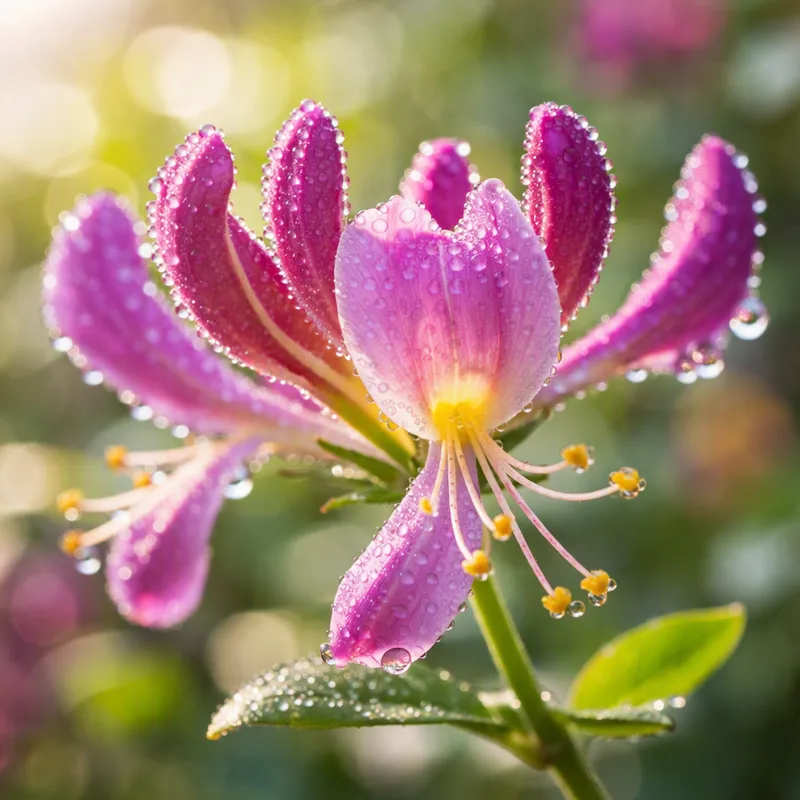
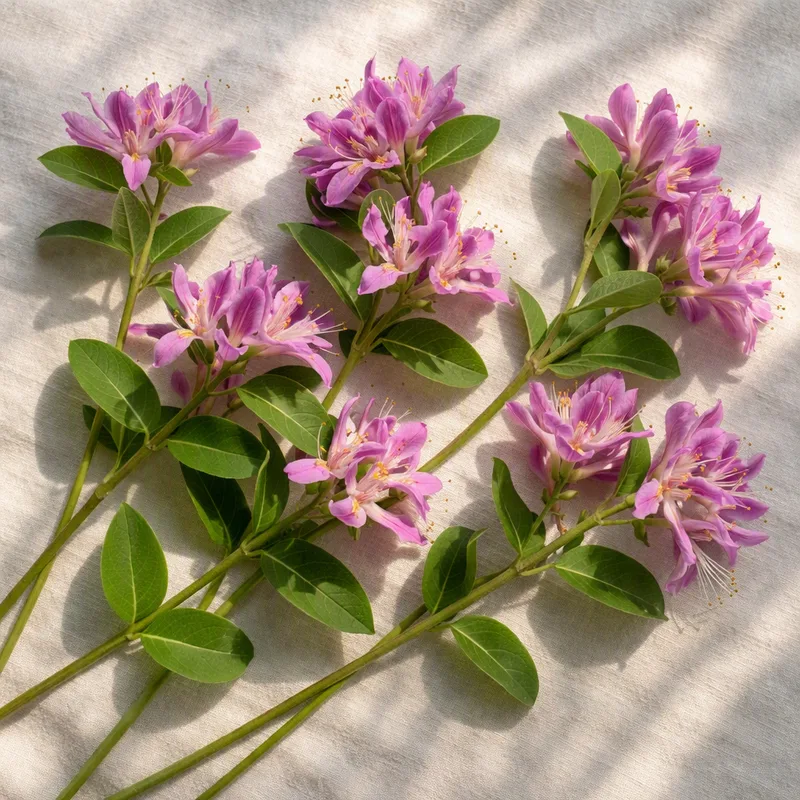
Lonicera periclymenum, also called woodbine, is the only native honeysuckle in the UK, and you will meet it in hedgerows, scrub and woodland edges. The tubular, two-lipped flowers are creamy white or yellowish, often flushed pink or red on the outside, and they smell strongest at night. It is a vigorous twining climber that can reach 7 metres or more. Shakespeare mentions woodbine twice in A Midsummer Night's Dream, so the plant has long been part of the national picture.
Wildlife value
The scent carries to night-flying moths such as the hummingbird hawk-moth, which can detect it from a long way off. Dormice build summer nests from honeysuckle bark, and in autumn thrushes, bullfinches and warblers feed on the red berries. A garden honeysuckle is a good way to give wildlife food and cover in one plant.
Growing it
Honeysuckle likes its roots in shade and its flowering top in sun or light shade, so plant it where a fence, shrub or north-facing base keeps the soil cool.
- Give it wires, a trellis or a pergola to twine around.
- Water well in the first dry summers.
- Cut back tangled growth after flowering.
- Choose carefully: it can grow large, and some forms are far more vigorous than others.
The cultivars 'Graham Thomas' and 'Serotina' have the RHS Award of Garden Merit.
Berries and pets
In most honeysuckles the berries are mildly poisonous to people, so keep children away from them and ring NHS 111 if anyone has eaten a quantity. Ask your vet if a dog or cat has chewed the fruit.