Three plants, one name
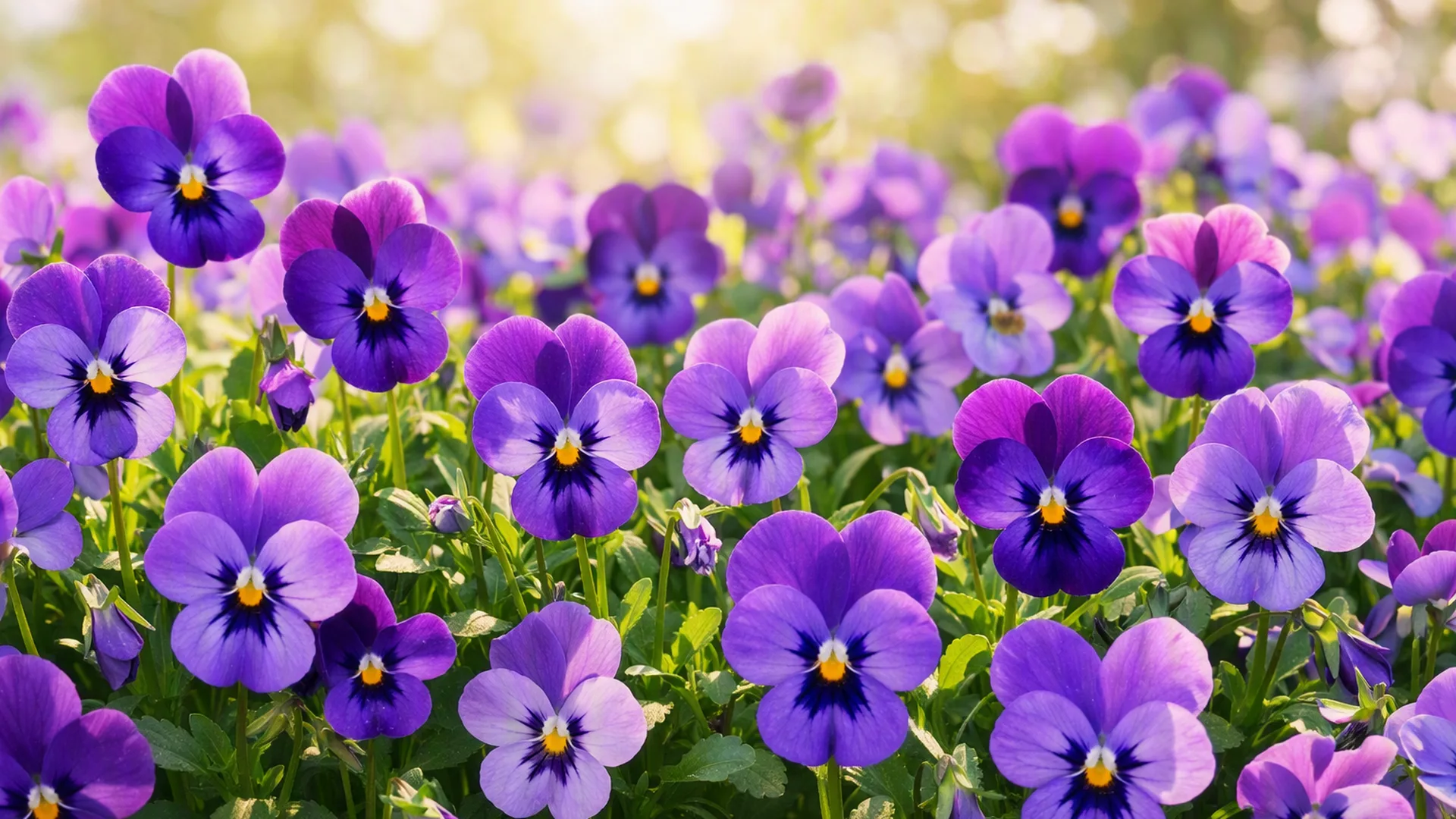
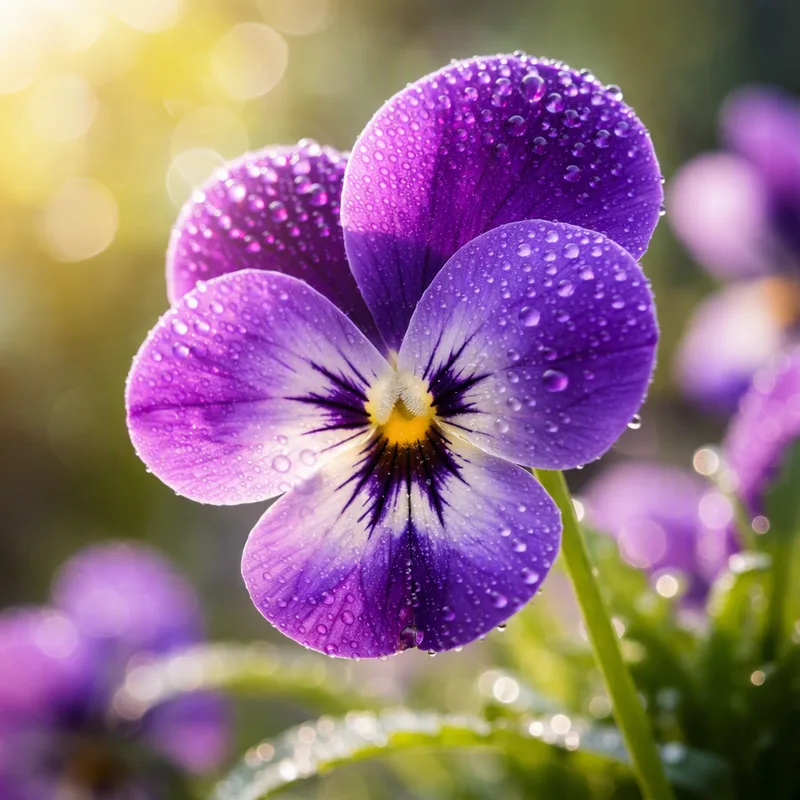
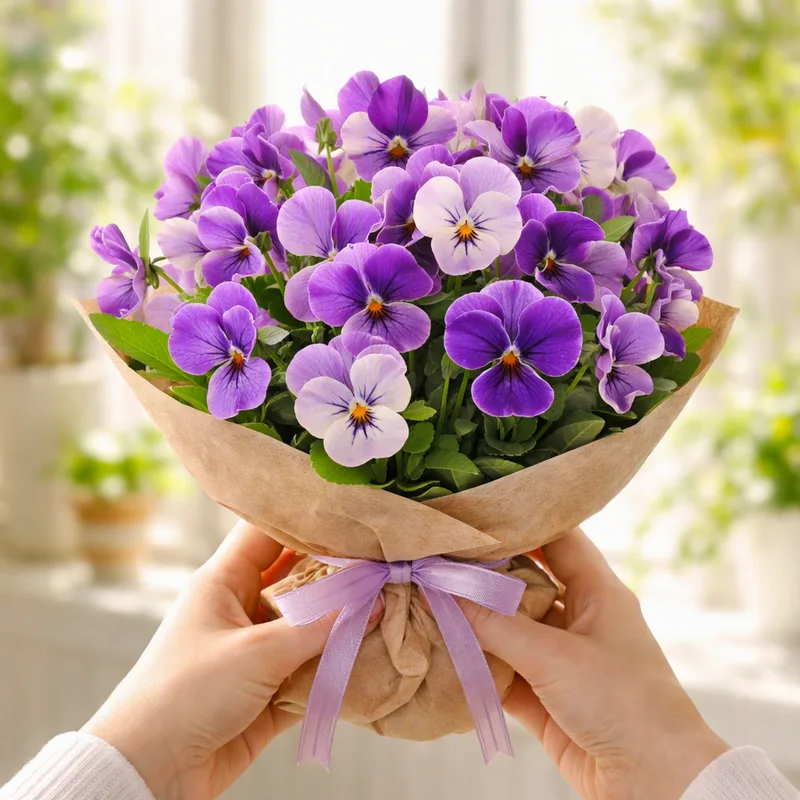
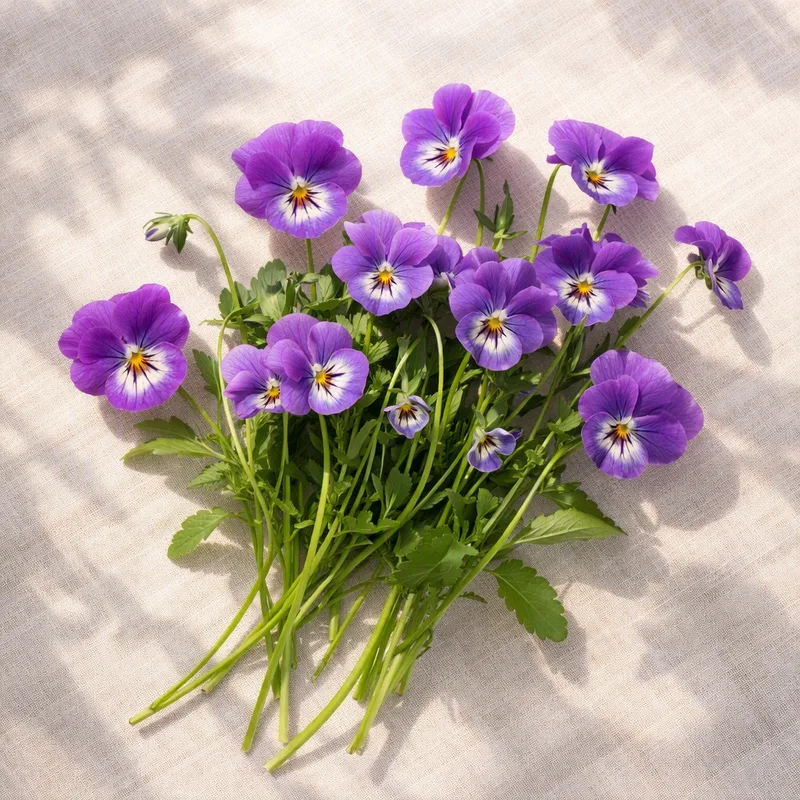
In Britain, violet most often means Viola odorata, the sweet violet. It flowers between February and April, carries a distinctive perfume and grows in hedge banks, churchyards and woodland margins. The common dog-violet (Viola riviniana) is also native and more widespread, but its flowers are paler and scentless. The garden pansies and violas sold as bedding are hybrids that flower for months.
Wild violets and wildlife
Violets are the food plant for the caterpillars of several fritillary butterflies, including the pearl-bordered fritillary, which is one reason they are valued in woodland management. Early flowers also give bees a welcome supply of nectar in spring.
Cultivating violets
- Sweet violets like partial shade and soil that does not dry out in summer, such as under deciduous shrubs.
- Leave fallen leaf litter in place, as it mimics the woodland floor.
- Divide runners after flowering to spread plants around.
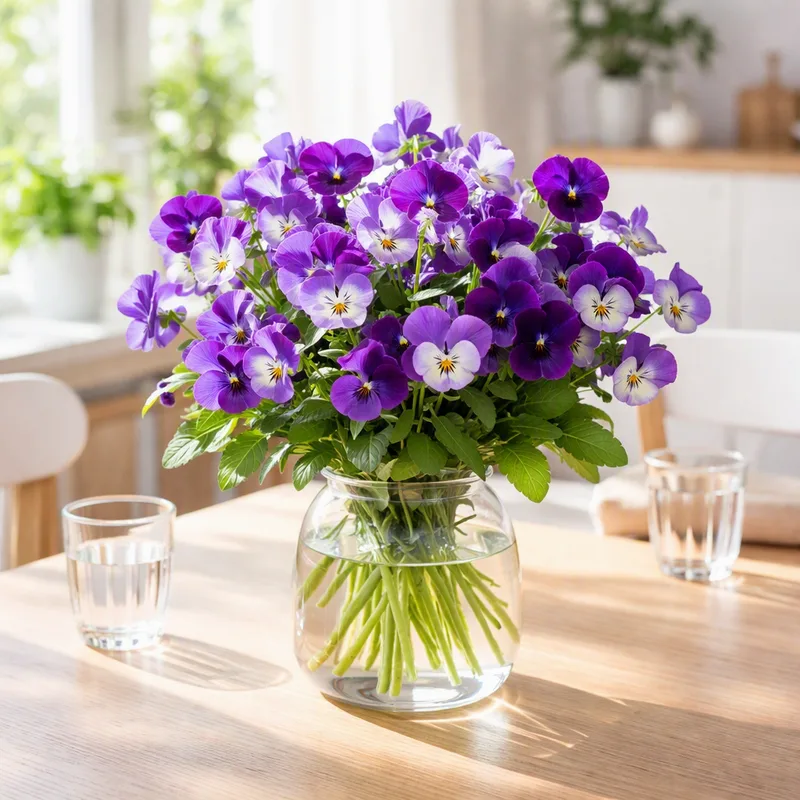
- Violas and pansies suit pots and borders in sun or light shade, and regular deadheading prolongs flowering.
Parma violets were hugely popular in Victorian Britain, grown commercially for their scent and sold as small posies. They are less hardy and often need protection from frost.
Animals and edible flowers
Pansies are listed as non-toxic by the ASPCA. The ASPCA has no separate entry for sweet violet, and its roots contain saponins, so stop a dog digging up and chewing the plant. The flowers of sweet violet have long been crystallised for cake decoration, but only use plants you are certain of and which are free of garden chemicals.