Ornamental, not wild
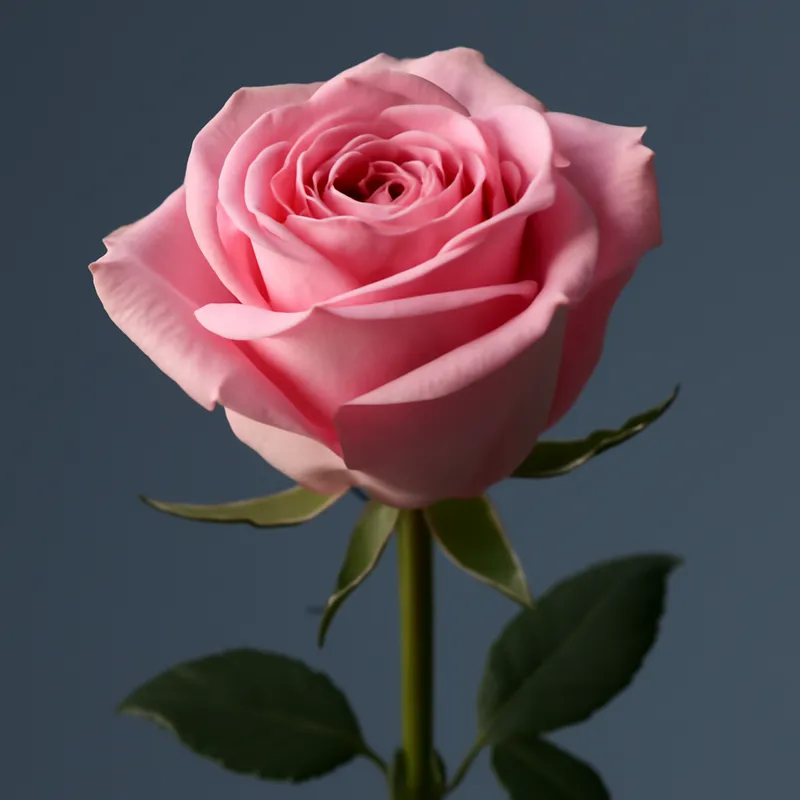
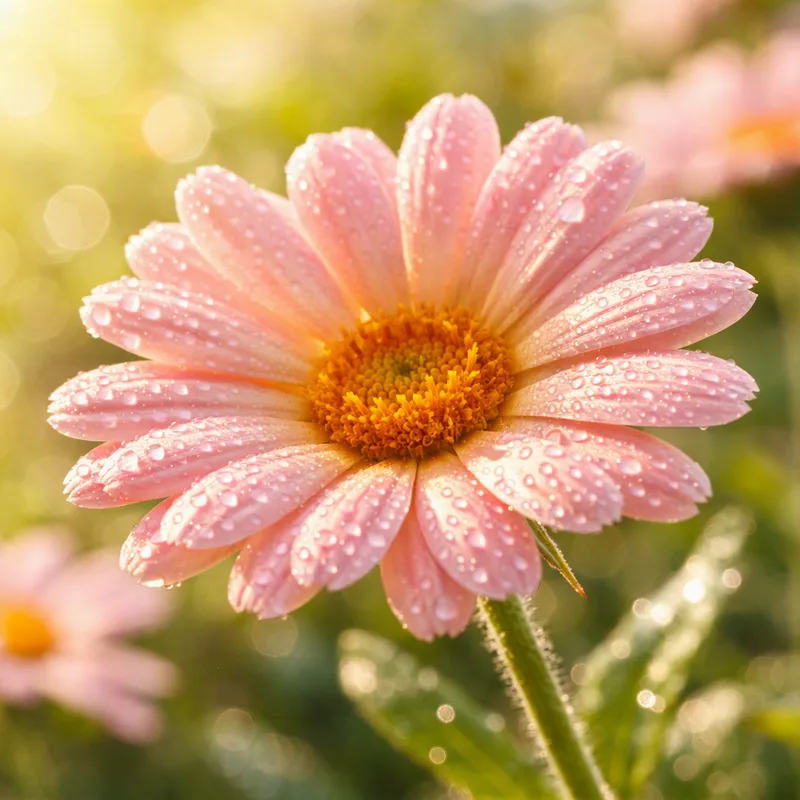
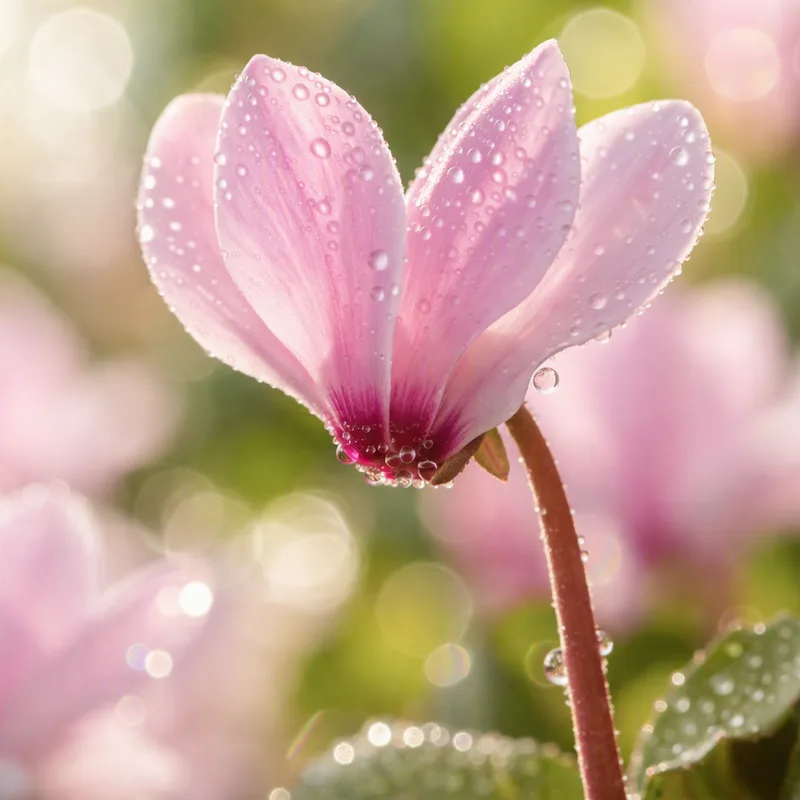
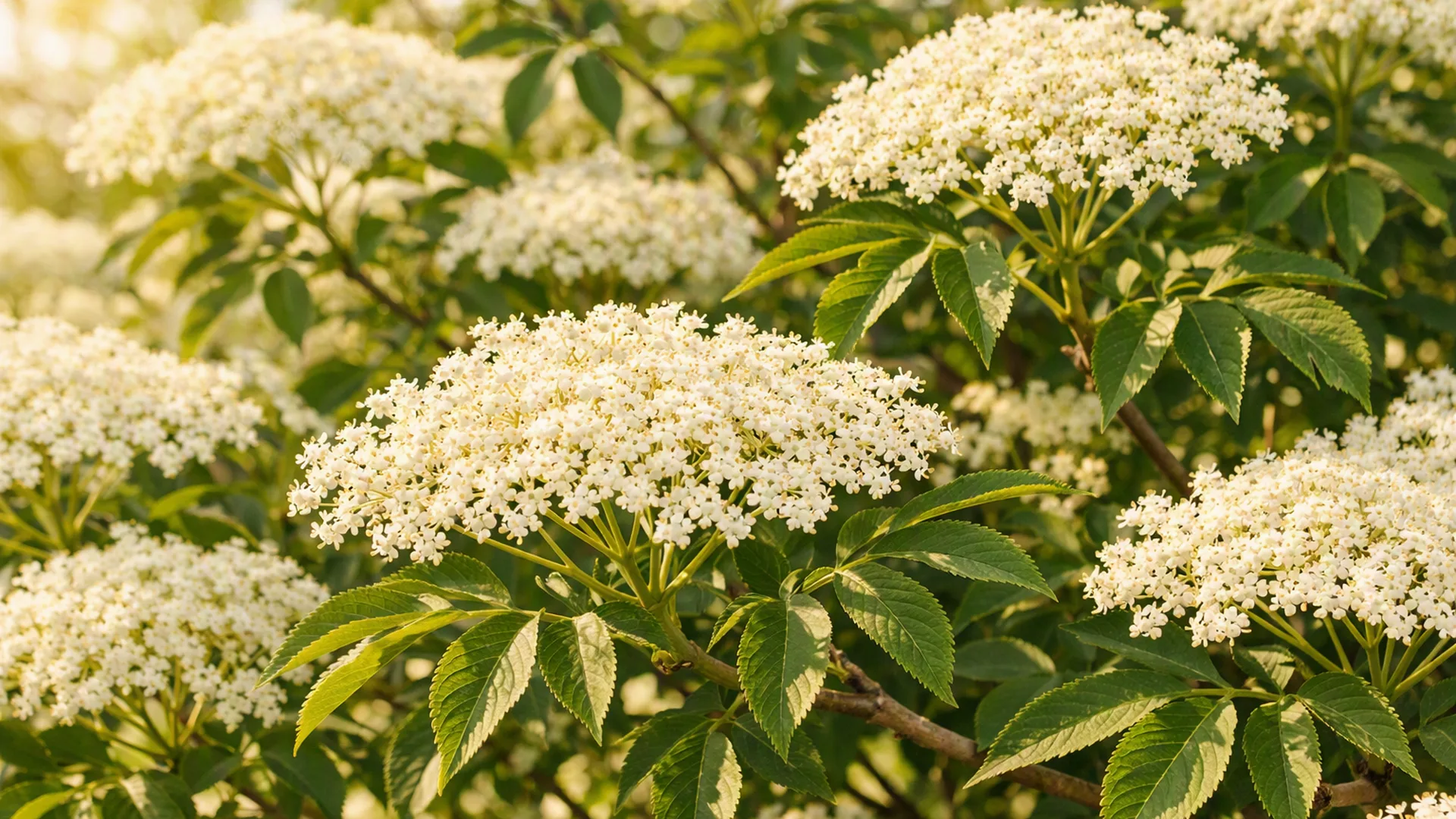
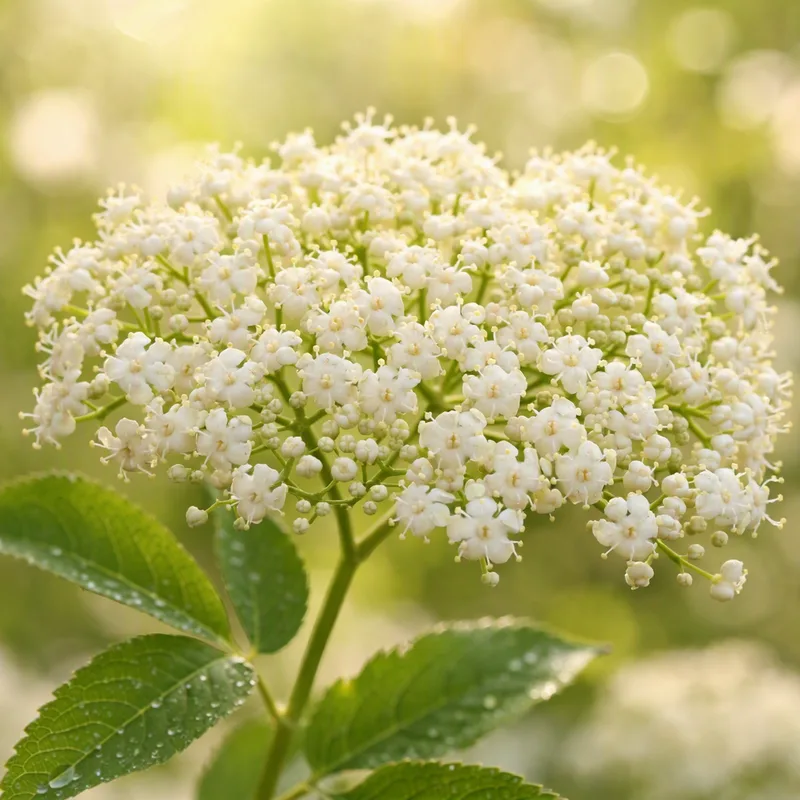
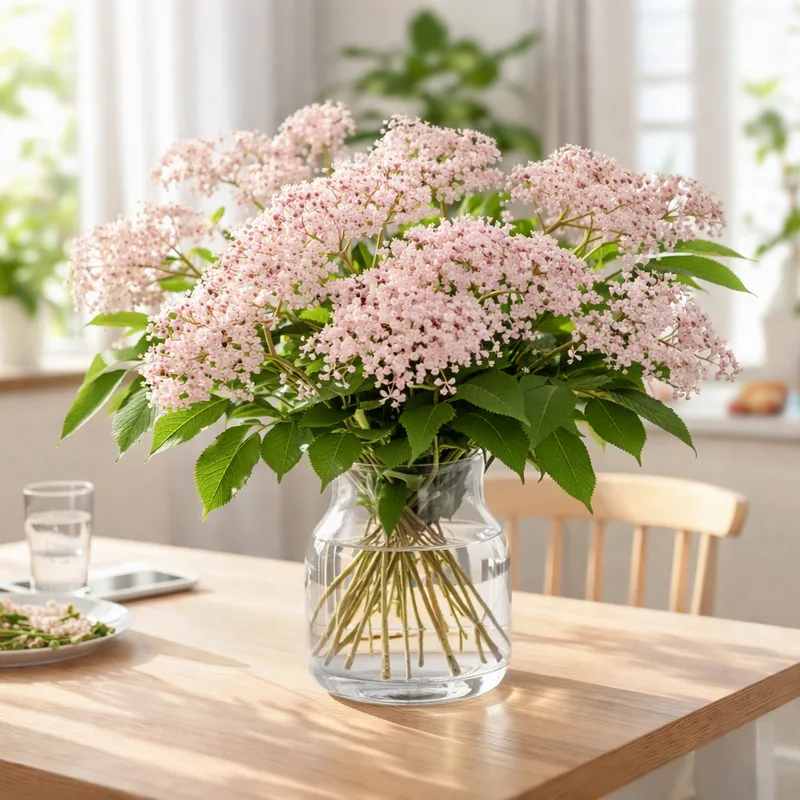
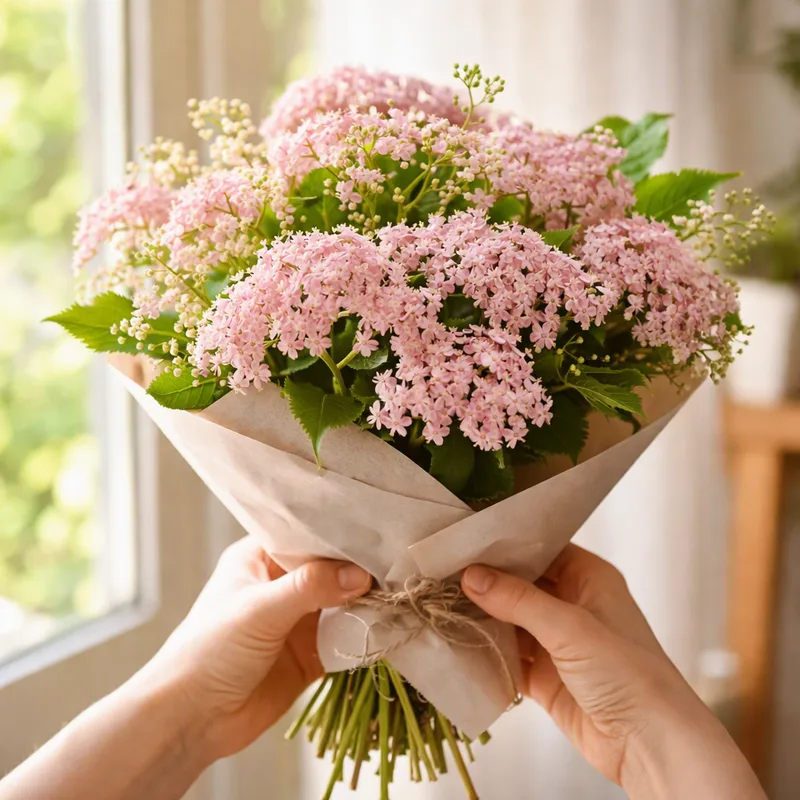
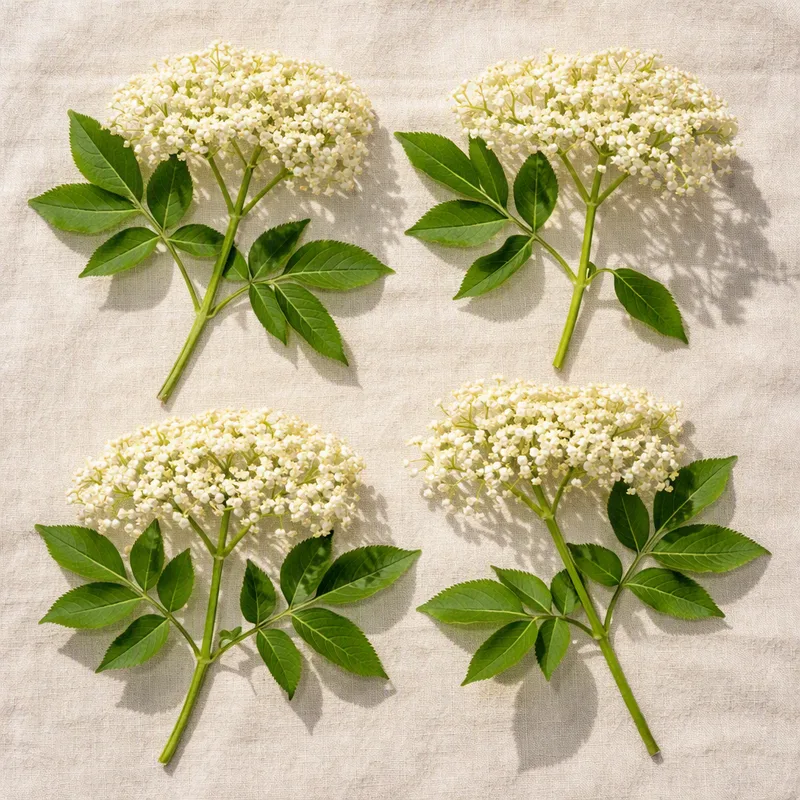
The wild elder has cream-white blooms. Pink flowers come from garden selections of Sambucus nigra with purple-black leaves, such as 'Black Lace' (also sold as 'Eva') and 'Black Beauty'. The contrast between dark foliage and pale pink flower heads in early summer is the attraction.
Choosing and siting
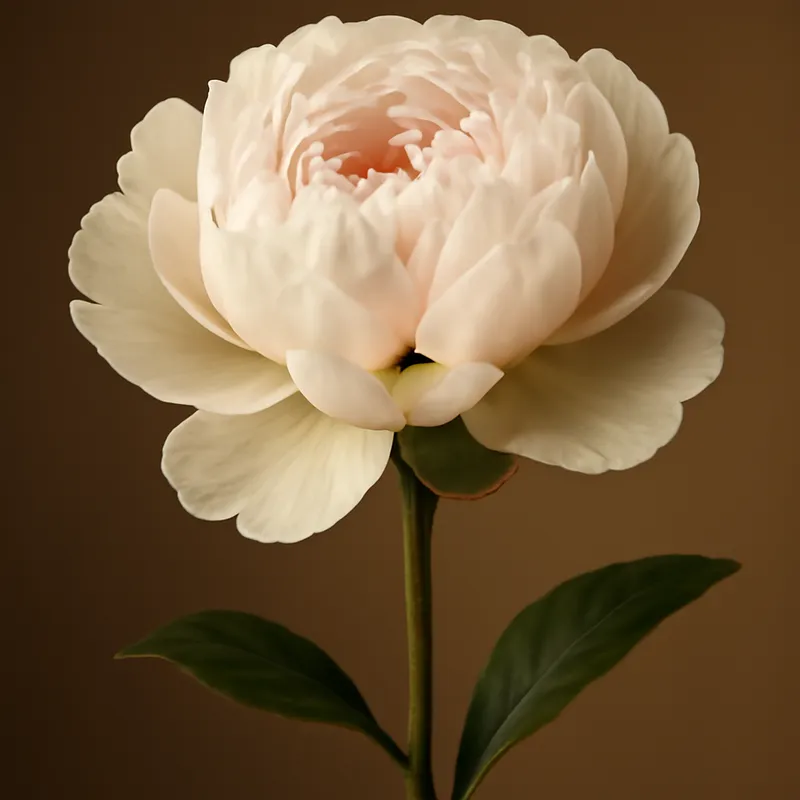
'Black Lace' has finely cut, almost ferny leaves and suits a smaller plot. Both forms fit a mixed border behind roses or peonies, where the dark foliage acts as a backdrop. Full sun gives the strongest leaf colour, whereas shade makes foliage greener.
Keeping it compact
Left alone, an elder grows several metres tall. A hard cut in early spring keeps it small, but you lose some flowers. For smaller gardens, many gardeners cut a third of the oldest stems to the ground each year.
Hedging is another option: a mixed hedge with elder gives colour and berries for birds and also forms a good windbreak, though this dark-leaved kind is best used as a single feature.
Using the flowers
Pink elderflowers can look pretty in garden arrangements, but if you plan to make cordial, the classic recipe uses the cream-white wild flowers. As with any elder, leaves, bark and raw berries contain sambunigrin and are poisonous. Cook any berries thoroughly.
Insects visit the umbels, and birds eat the dark berries, which makes even a decorative elder valuable to wildlife.
Ornamental, not edible
For pets, the ASPCA classes elderberry as toxic to dogs, cats and horses, so keep curious animals away from fallen fruit.