


Coral Bells in Pink Shades
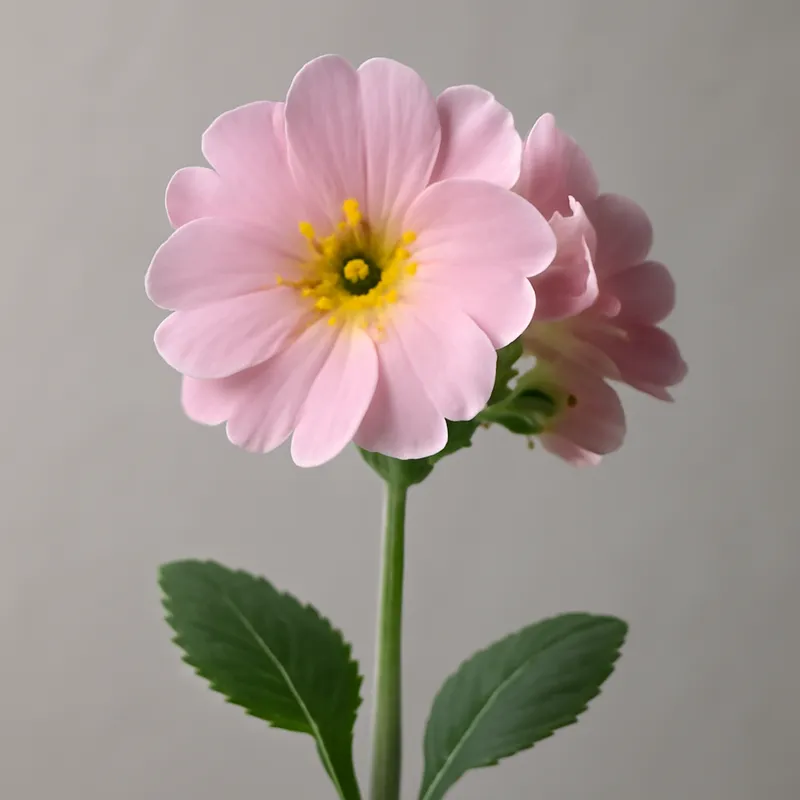
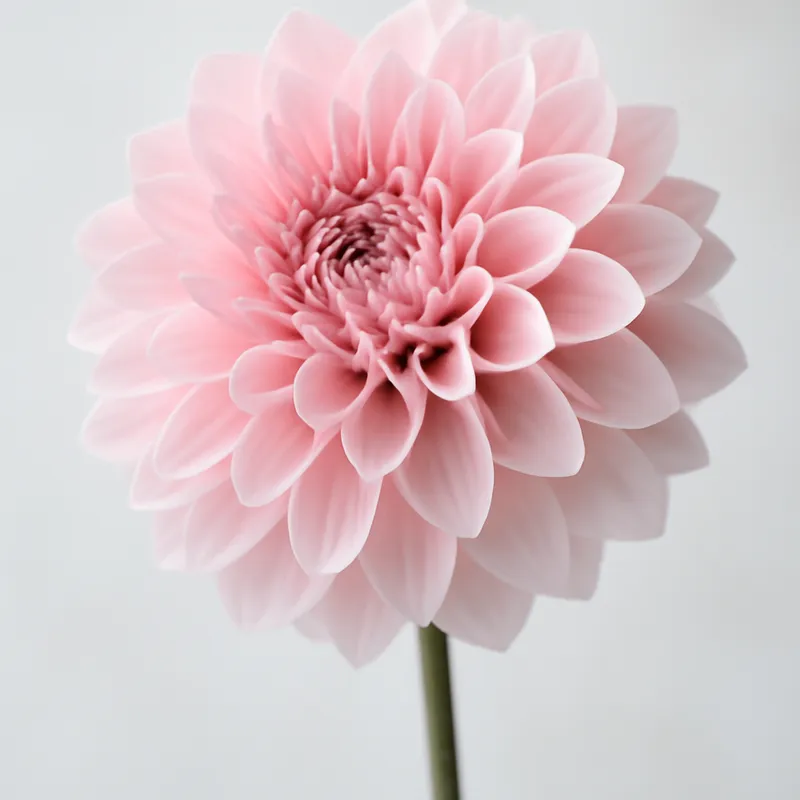
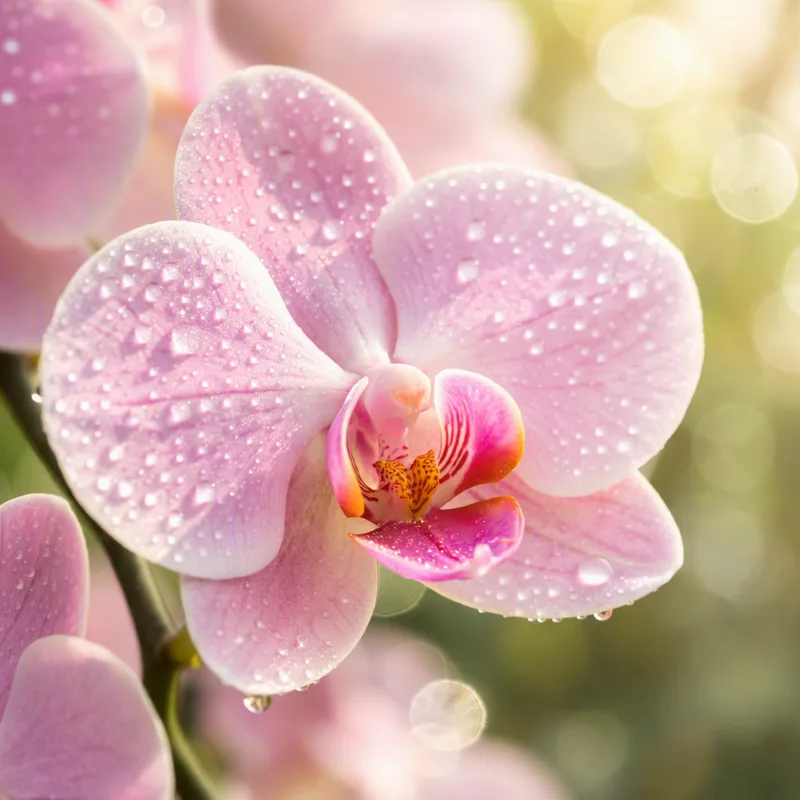
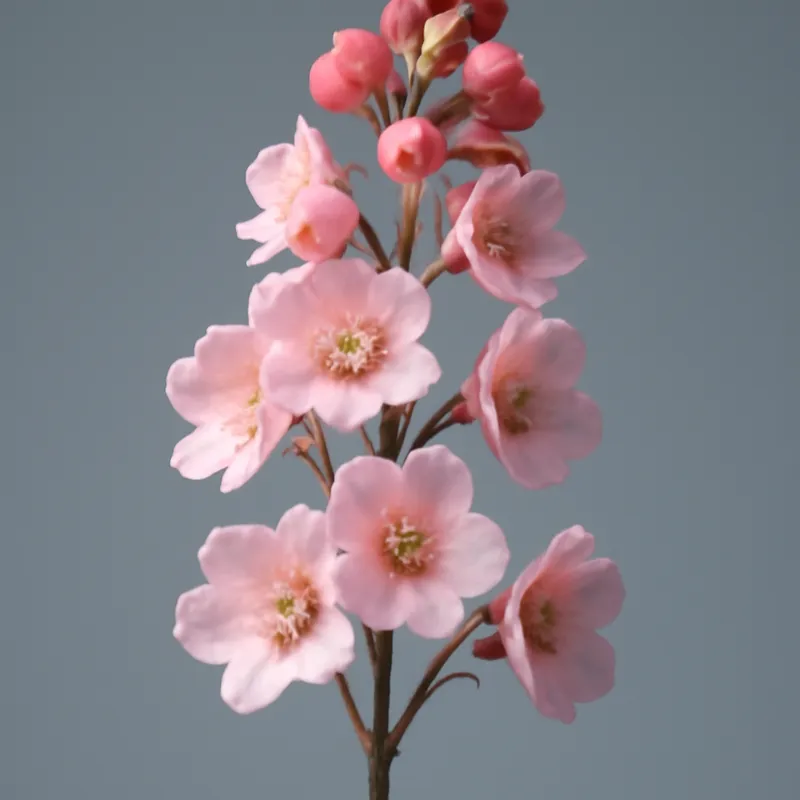
Coral Bells in pink shades are among the garden's most prized perennials. With its botanical name Heuchera, this plant belongs to the saxifrage family and offers both beautiful foliage and charming flower spikes. The pink flowers create a soft and romantic feel in flower beds and planters.
Beautiful Foliage All Year Round
Coral Bells are renowned for their decorative leaves, which retain their beauty for much of the year. The foliage varies in colour from green to reddish tones, and the contrast between the pink flower spikes and the leaves creates a harmonious whole. The plant forms dense clumps that work excellently as ground cover or border plants.
Ideal Growing Conditions
Heuchera thrives best in part shade to full shade, making it perfect for areas of the garden where many other flowering plants struggle to establish themselves. The soil should be well-draining and nutrient-rich. Coral Bells are relatively adaptable but perform best in moist but not waterlogged soil.
Planting and Establishment
Spring planting is recommended for Coral Bells. Plant so that the crown is level with the soil surface. Space plants approximately 30-40 centimetres apart to give them room to develop. After planting, it's important to keep the soil consistently moist until the plant is established.
Care During the Growing Season
Regular watering is essential, particularly during dry spells. Coral Bells appreciate consistent moisture but cannot tolerate waterlogging. Mulching around plants helps retain moisture and keep weeds at bay. Remove faded flower spikes to encourage continued flowering.
Overwintering and Long-term Care
Coral Bells are hardy in British climates but may need extra protection during particularly cold winters. Leave the foliage in place over winter as natural protection. In spring, you can gently remove any damaged leaves and divide older plants if they've become too large.
Garden Combinations
Pink Coral Bells pair beautifully with other shade-loving perennials. Combine with hostas, astilbe and lungwort for harmonious planting. The pink shades also complement silver foliage and green plants beautifully.
Benefits of Coral Bells
Beyond their beauty, Coral Bells are low-maintenance plants requiring minimal upkeep once established. They are relatively free from pests and diseases, making them a reliable choice for both beginners and experienced gardening enthusiasts.