Pink Amaryllis: A Guide to Growing Elegant Blooms
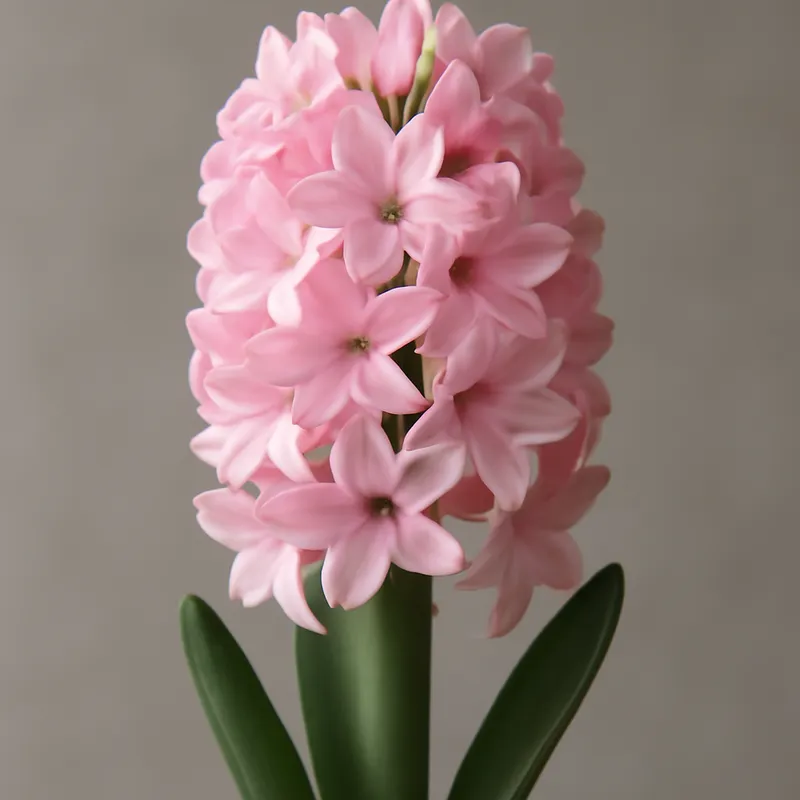
Pink amaryllis is one of the most elegant and impressive flowers you can grow at home. With its botanical name Hippeastrum, this stunning plant belongs to the amaryllis family and is renowned for its large, trumpet-shaped flowers in beautiful shades of pink.
Characteristics of Pink Amaryllis
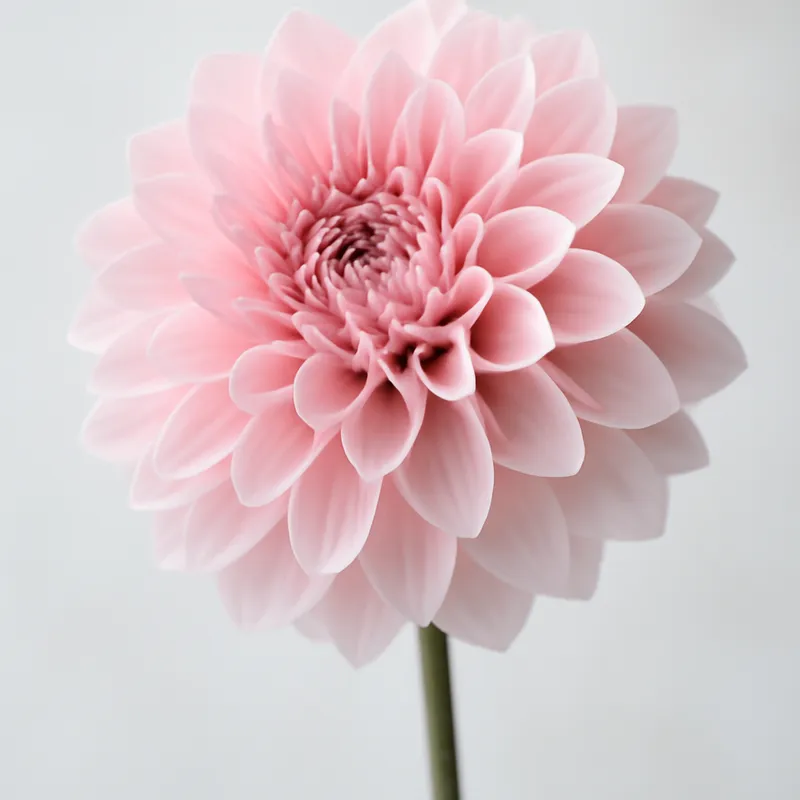
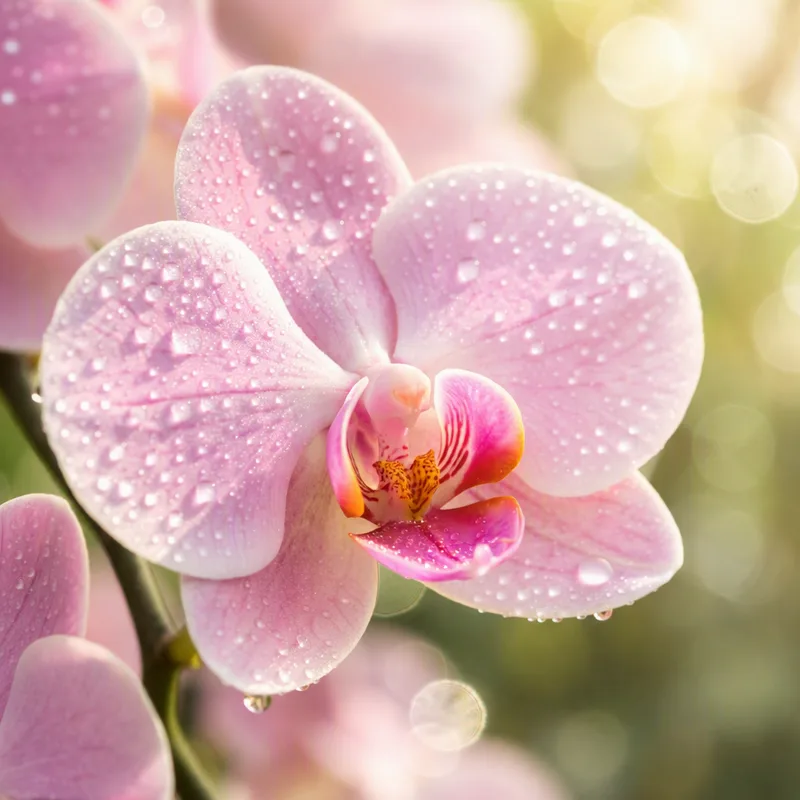
The pink amaryllis stands out with its majestic flowers which can reach up to 20 centimetres in diameter. The pink petals vary from light pink to deeper, more intense pink tones, often with subtle shades and patterns that make each flower unique.
Planting and Soil Requirements
For best results, plant the amaryllis bulb in well-draining soil with good permeability. A mixture of potting compost, sand and compost provides optimal conditions. The bulb should be planted so that approximately one-third protrudes above the soil surface. This is important to prevent rot and ensure good growth.
Light and Temperature
Pink amaryllis thrives best in bright locations but not in direct sunlight. A temperature between 18-22 degrees Celsius is ideal during the growing season. During flowering, the plant can be kept slightly cooler to extend the blooming period.
Watering and Feeding
Watering should be moderate but regular. The soil should be moist but never waterlogged. During the growing period, the plant needs regular feeding with liquid fertiliser every two weeks. Once the leaves begin to yellow, gradually reduce watering.
Flowering and Aftercare
Flowering typically occurs in winter and early spring, making pink amaryllis the perfect plant to brighten up the darker months. After flowering, it is important to allow the leaves to continue growing to build up strength in the bulb before the next season.
Overwintering and Rest Period
Once the leaves have completely withered, the plant can enter a dormant phase. Store the bulb in a dry, cool location for 8-12 weeks before the next planting season begins. This rest period is crucial for achieving abundant flowering the following year.
Common Problems and Solutions
Pink amaryllis is relatively hardy but can be affected by aphids or thrips. Good air circulation and correct watering prevent most problems. If the bulb becomes soft, it may indicate rot, which is often caused by overwatering.
Decorative Uses
With its spectacular pink blooms, the amaryllis is perfect as a standalone plant in beautiful pots. It makes an excellent gift plant and creates an elegant atmosphere in any room where it is placed.