
A chalk lover from the steppes
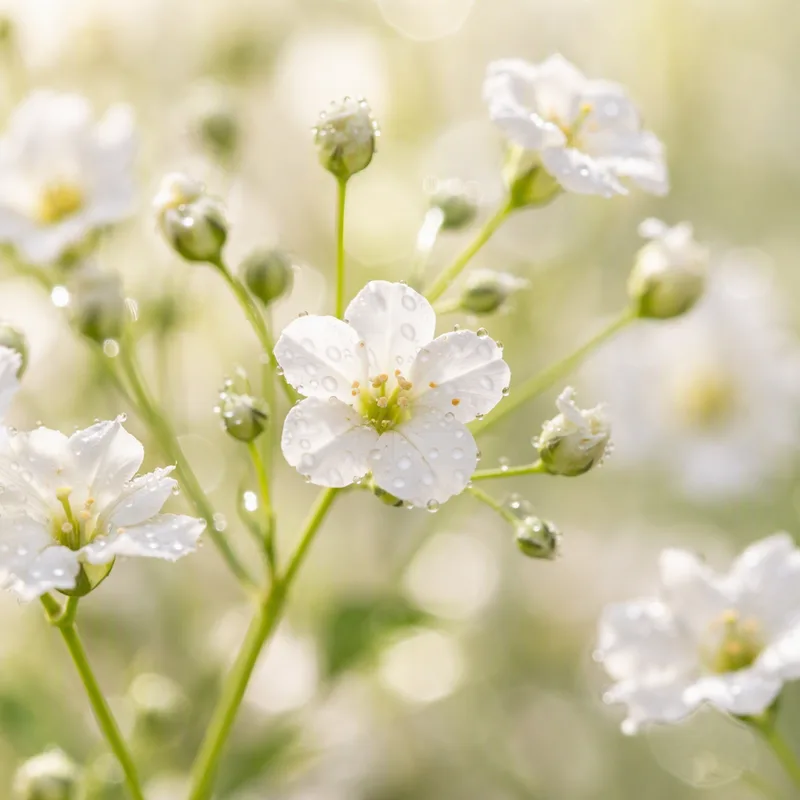
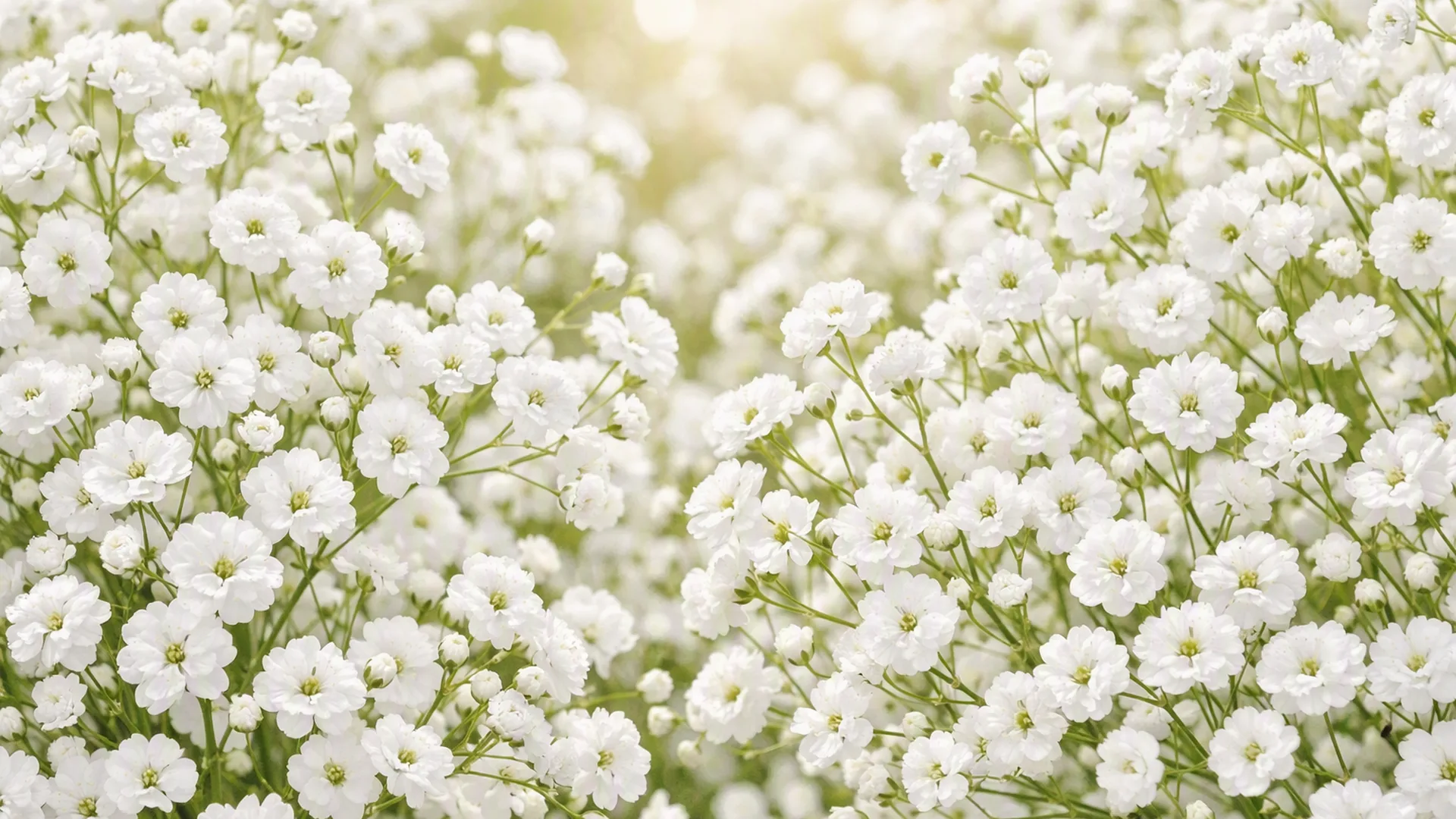
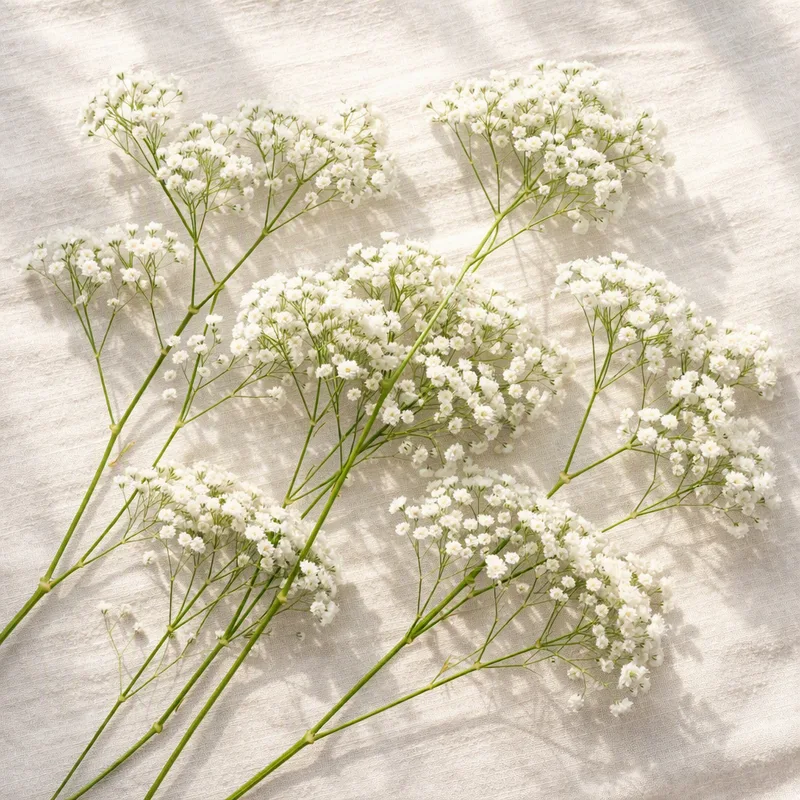
Gypsophila paniculata is a perennial from central and eastern Europe, where it grows on dry, sandy and stony steppe, often on limy ground. The genus name means chalk-loving, which is a clue to what it wants in the garden: sun and sharply drained alkaline or neutral soil. Clumps can reach up to about a metre in height and spread, forming mounds of branching stems that carry a haze of white flowers through summer. One theory behind the common name is the scent, which is sometimes likened to sour milk.
In British gardens
Gypsophila does particularly well on chalk and limestone, so gardens on the Downs or Cotswolds suit it. Heavy wet clay in winter is its main enemy, so improve drainage with grit. Once established it dislikes being moved. The pale pink form 'Rosenschleier' has won the RHS Award of Garden Merit.
In the florist's workshop
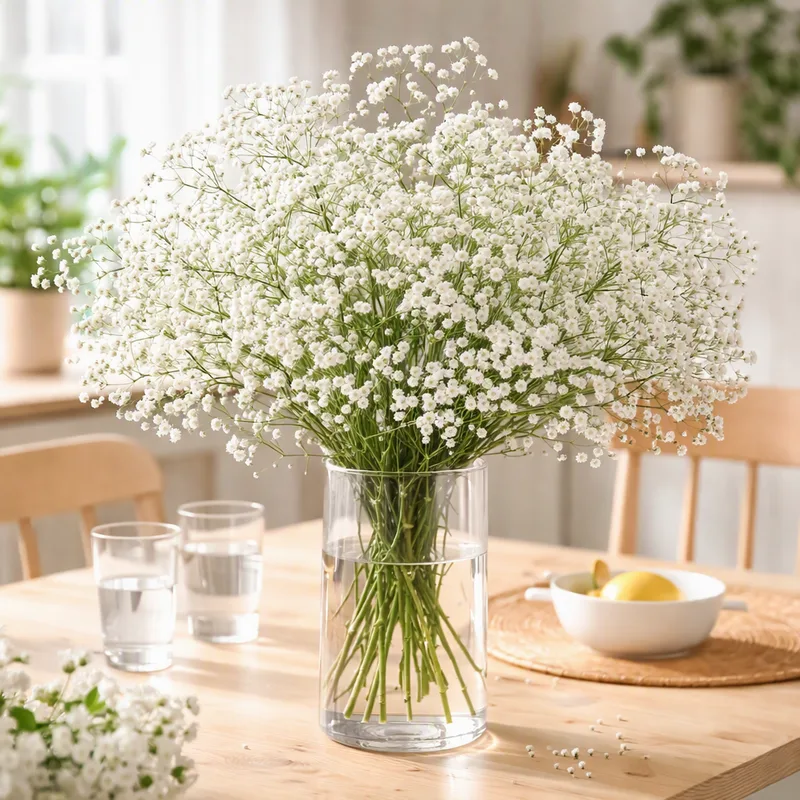
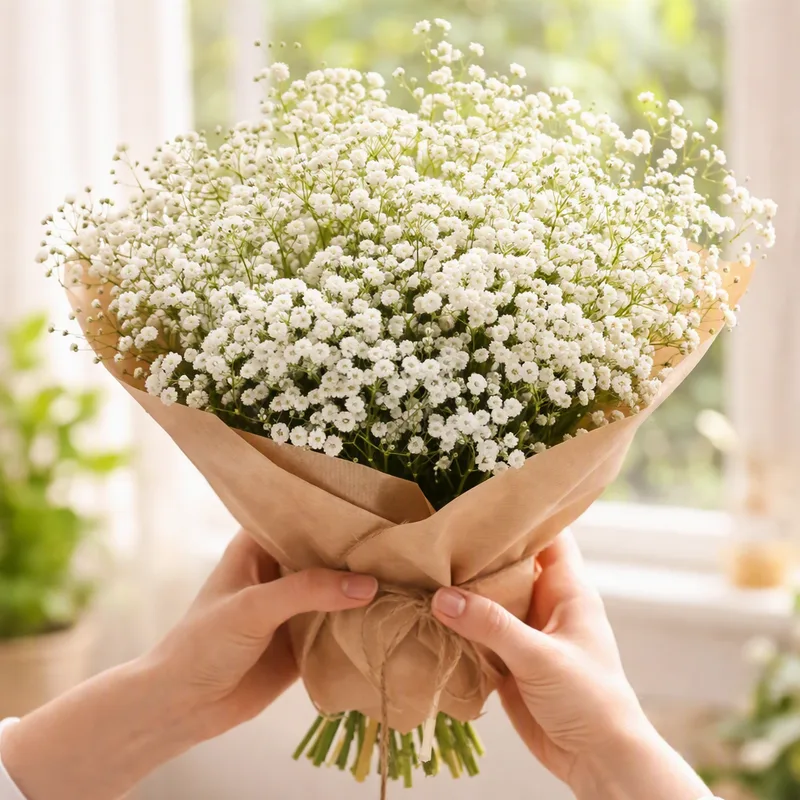
Gypsophila is widely used in floristry to give structure and lightness behind larger flowers. Commercial growers supply huge quantities, and in Peru it makes up a large part of the country's flower exports. It is also a regular in wedding work, from buttonholes to table decorations.
Drying it
- Cut stems when most of the flowers are open.
- Strip lower leaves and hang small bunches upside down somewhere dry and dark.
- After a couple of weeks the stems are dry and last for months in an arrangement.
Skin and animals
Gypsophila paniculata is toxic to people in the sense that it can cause contact dermatitis. The ASPCA lists the related annual Gypsophila elegans as non-toxic to pets, though it notes mild stomach upset after eating it.