Hydrangea – varieties, symbolism and care
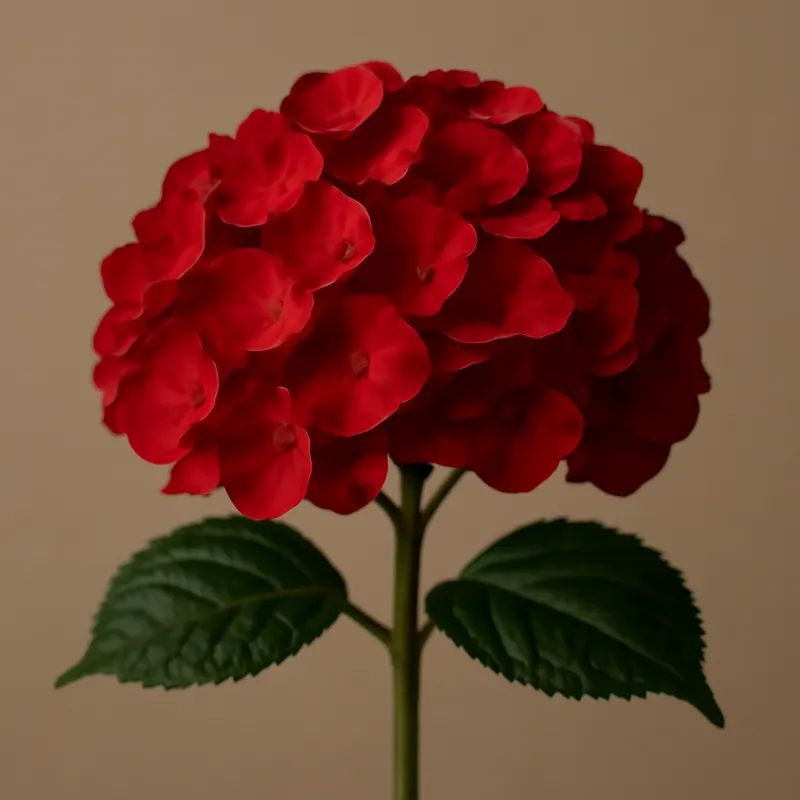
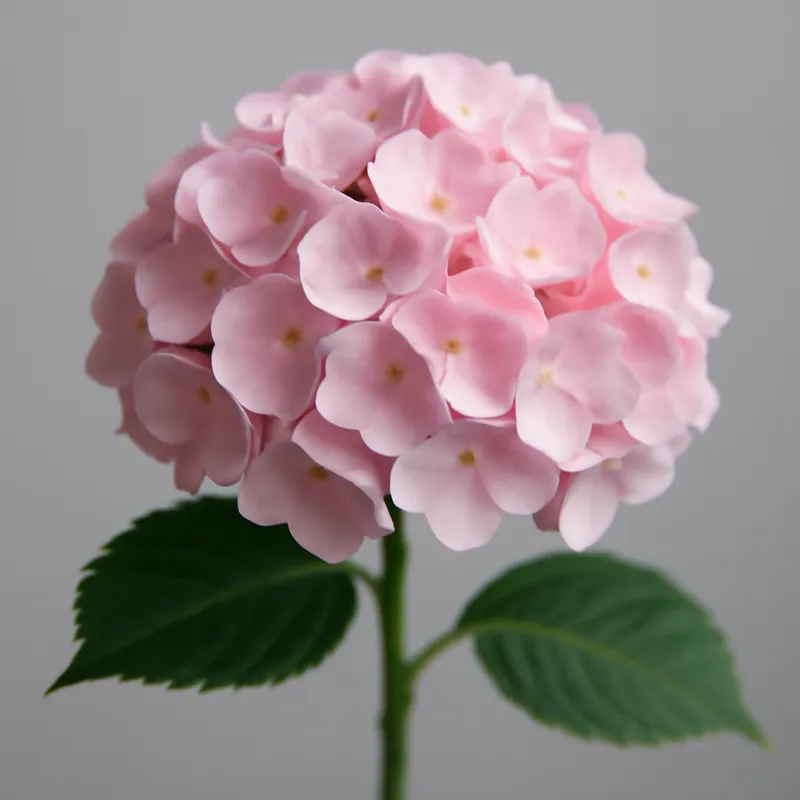
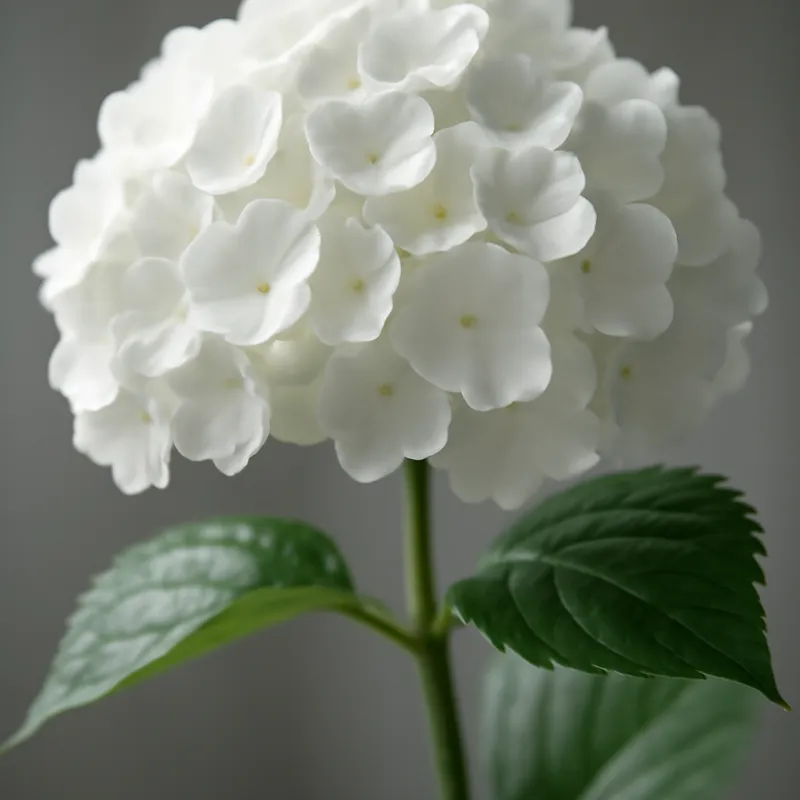
With their large, full flower clusters in white, pink, blue and purple, hydrangeas (Hydrangea) are among summer's most impressive flowers. They are equally popular in gardens as in bouquets – and have the fascinating property that flower colour can be changed by the soil's pH value.
Order flowers easily online – next day delivery.
Order flowers nowAbout the hydrangea
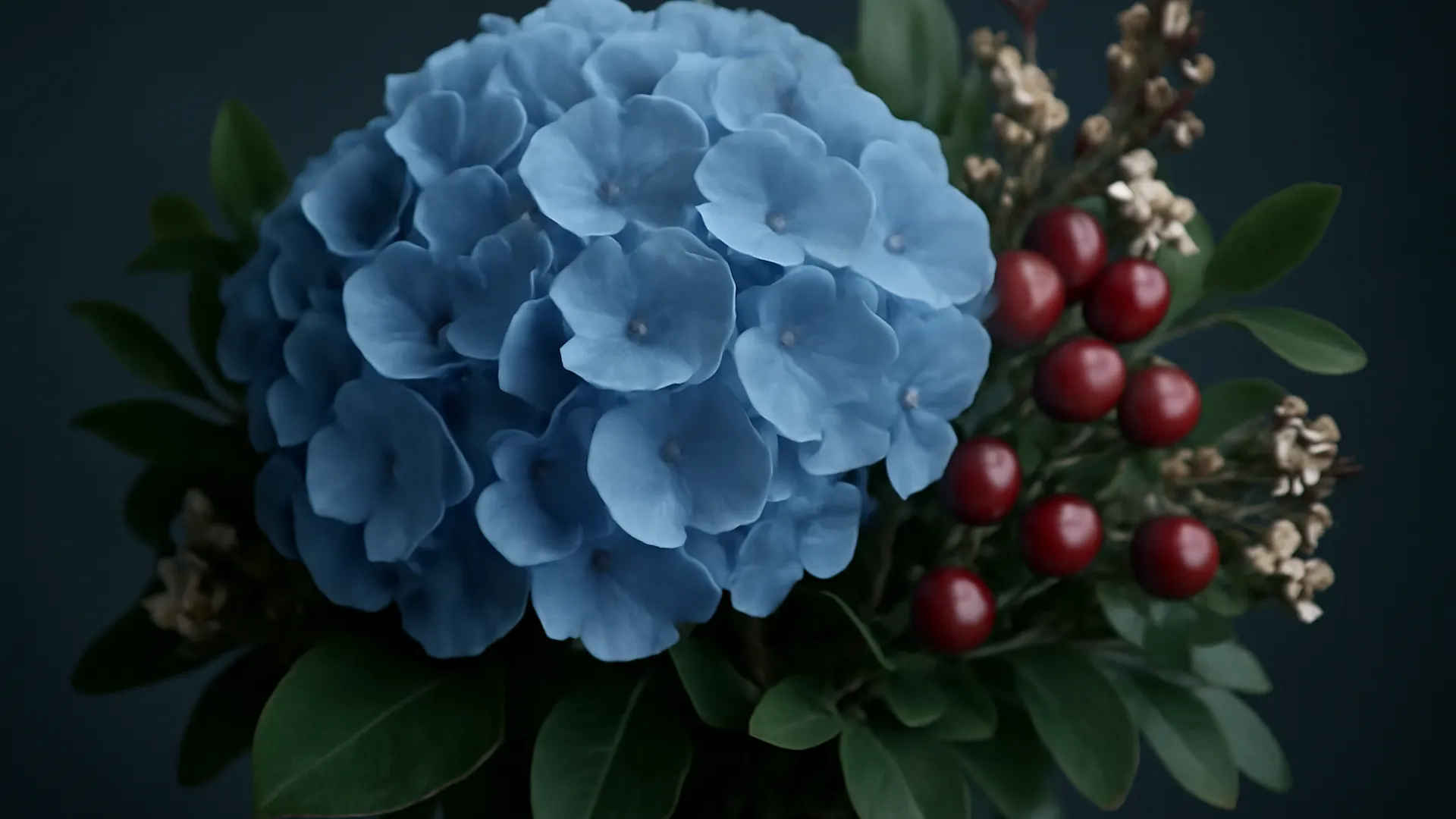
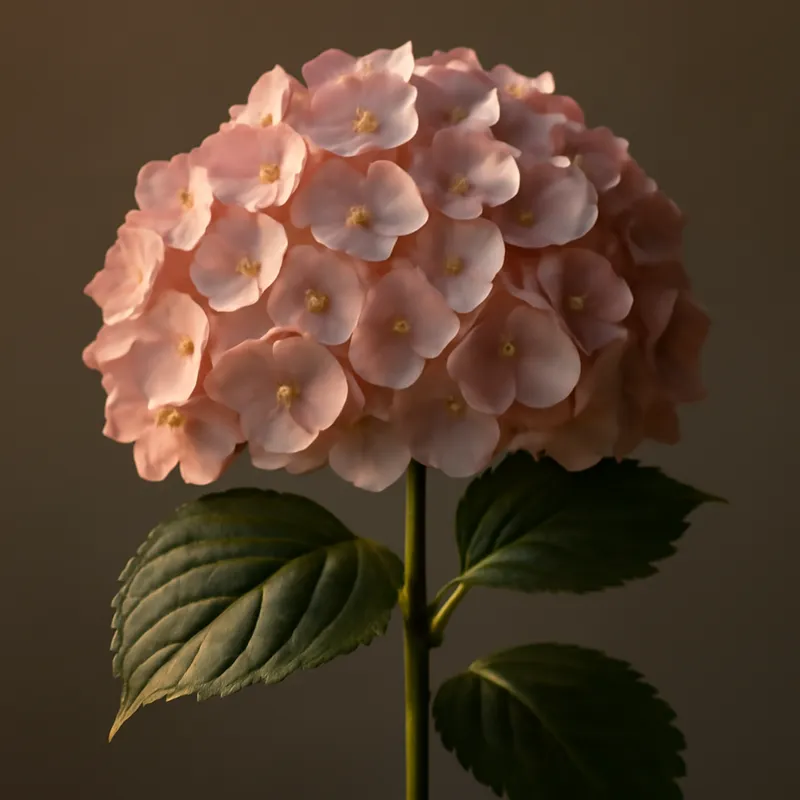
The hydrangea originally comes from Asia and North America, and is cultivated today all over the world. What makes the hydrangea truly special is that the flower colour – especially in large-flowered varieties – is determined by the soil's acidity level (pH). Low pH produces aluminium salts that colour the flowers blue, whilst alkaline soil produces pink flowers from the exact same variety. The hydrangea thus functions as nature's own pH indicator.
What does the hydrangea symbolise?
- Gratitude and sincerity – a flower that expresses genuine feelings.
- Freedom of the heart – in Japan the hydrangea symbolises sincere regret and apology.
- Abundance and prosperity – the lush flower clusters are associated with wealth and abundance.
- Blue hydrangea – can express coolness and distance, but also calm and harmony.
Would you like to send flowers with hydrangea? This impressive flower is a popular choice for many occasions.
Send flowers quickly and securely throughout the UK.
View prices and selectionPopular hydrangea varieties
- Bigleaf hydrangea (H. macrophylla): The classic variety with round flower clusters. Available in pink, blue, white and purple.
- Smooth hydrangea (H. arborescens 'Annabelle'): Large white spheres – very popular in British gardens.
- Panicle hydrangea (H. paniculata): Cone-shaped flower clusters that gradually change from white to pink. Hardier than other varieties.
- Climbing hydrangea (H. anomala petiolaris): Climbs along walls and fences with white flowers.
How to care for hydrangeas in a vase
- Cut the stems at an angle and make a small cross-cut at the base for better water uptake.
- Remove all leaves – they consume water and cause the flowers to wilt faster.
- Hydrangeas drink enormous amounts of water, so top up every day.
- If the flower head begins to droop, you can dip the entire head in water for 20–30 minutes – this often works very well.
- Place the vase in a cool location and avoid direct sunlight and heat sources.
Quick facts – hydrangea
| Property | Information |
|---|---|
| Vase life | 3–7 days |
| Latin name | Hydrangea |
| Flower colour is influenced by | Soil pH value |
| Flowering (garden) | July–September |
You can easily order flowers with hydrangeas delivered throughout the UK. Read more about symbolism in our guide to flower language.
Send a lush hydrangea bouquet – delivered throughout the UK.
Choose bouquet →It has never been easier to buy flowers online. Also read our care tips to keep your bouquet fresh for as long as possible.