

Why the dragon?
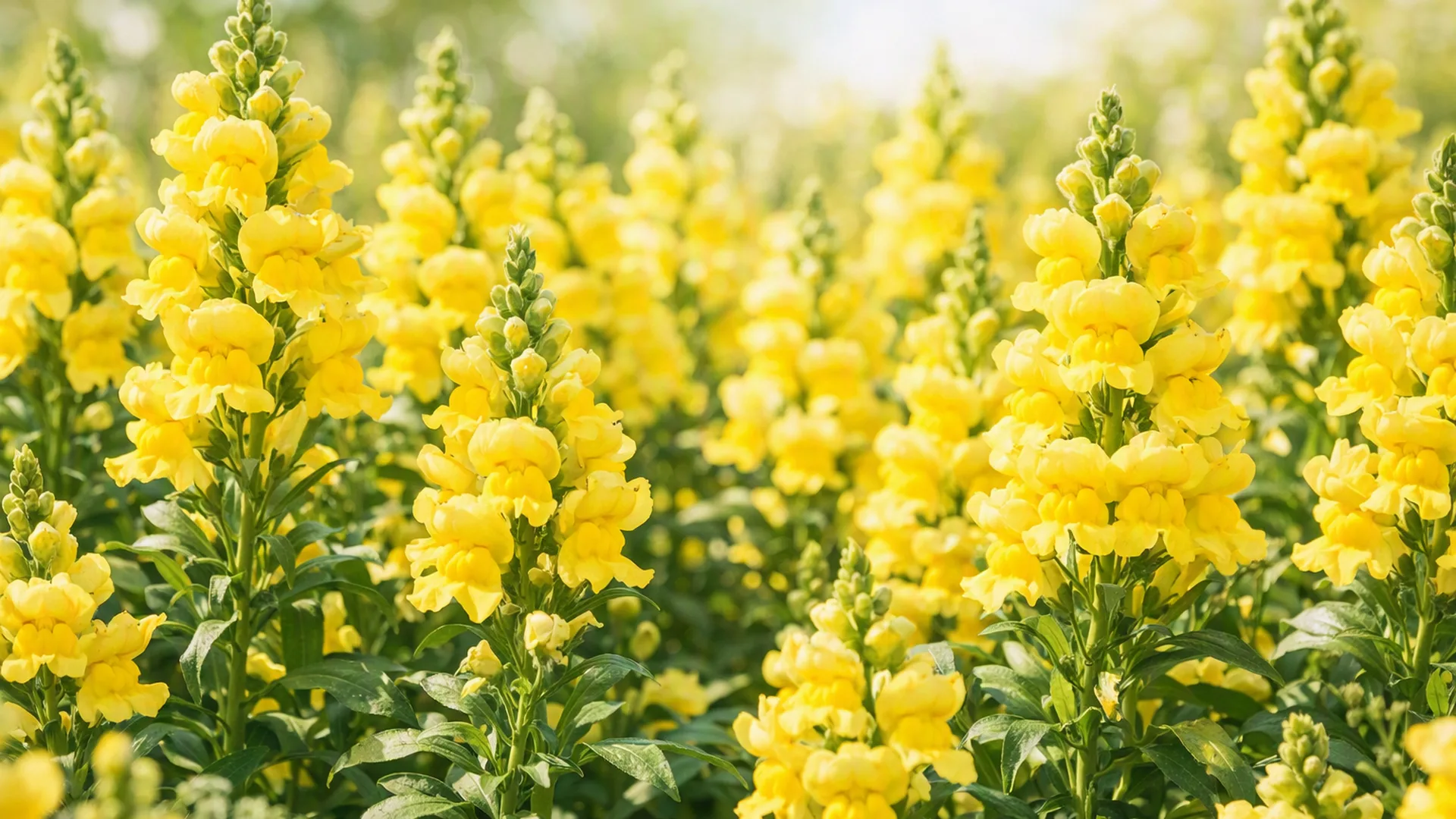
Antirrhinum majus, the common snapdragon, takes its name from the way the flower opens when you squeeze its sides, like a jaw. Its Latin name means roughly "like a snout". The plant belongs to the plantain family, Plantaginaceae, and grows wild on rocky ground and old walls around the Mediterranean. People have grown it since the fifteenth century, and it now self-seeds on old walls in parts of Britain.
Cottage-garden staple
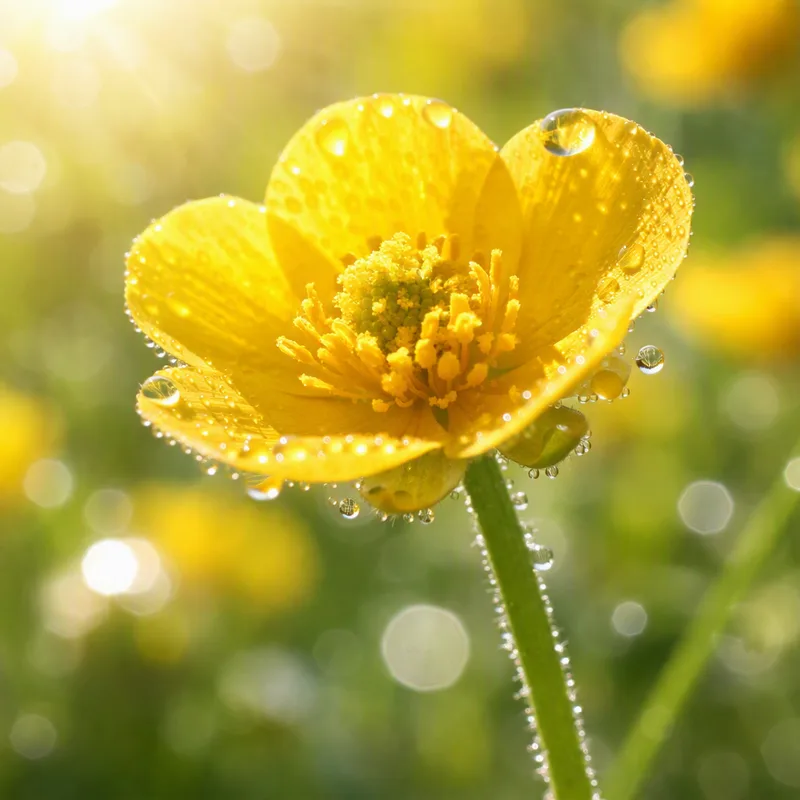
Snapdragons are short-lived perennials, but most people grow them as annuals. They flower from June until the first hard frost, especially if you deadhead. Varieties vary from dwarf bedding types of 20 centimetres to cut-flower sorts reaching a metre. Yellow forms are bright and cheerful beside blue salvias.
Growing them
- Sow seed indoors in February or March, pressing it onto the surface of the compost because it needs light to germinate.
- Pinch out the growing tips when plants are around 10 centimetres tall to encourage branching.
- Plant out after the last frosts, in sun and in well-drained soil, ideally with a bit of lime in acidic areas.
- Water at the base to reduce disease.
In mild, well-drained gardens, snapdragons sometimes survive winter and flower again the next year.
Rust and cut flowers
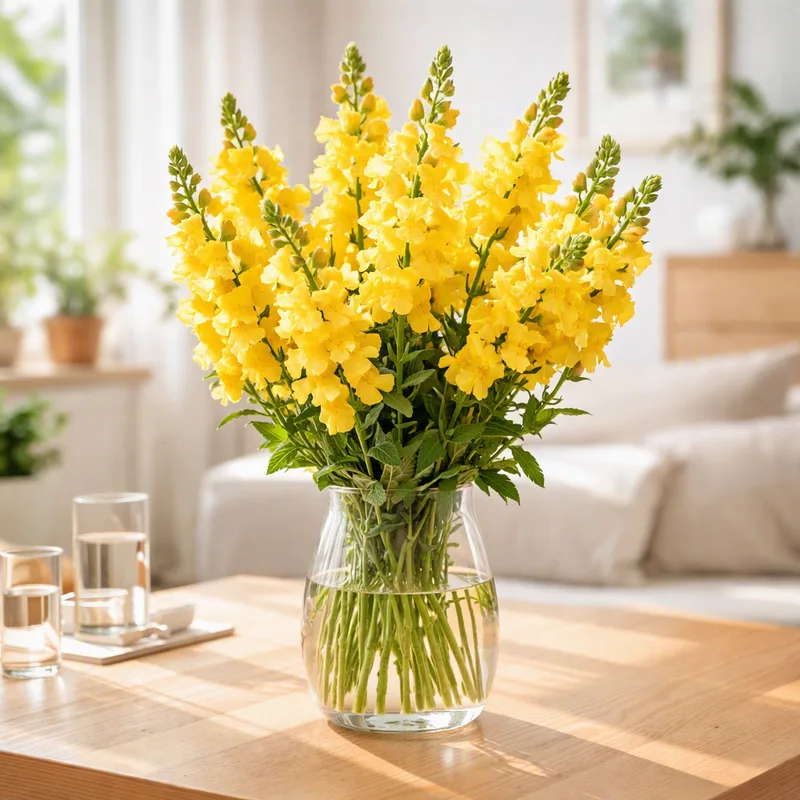
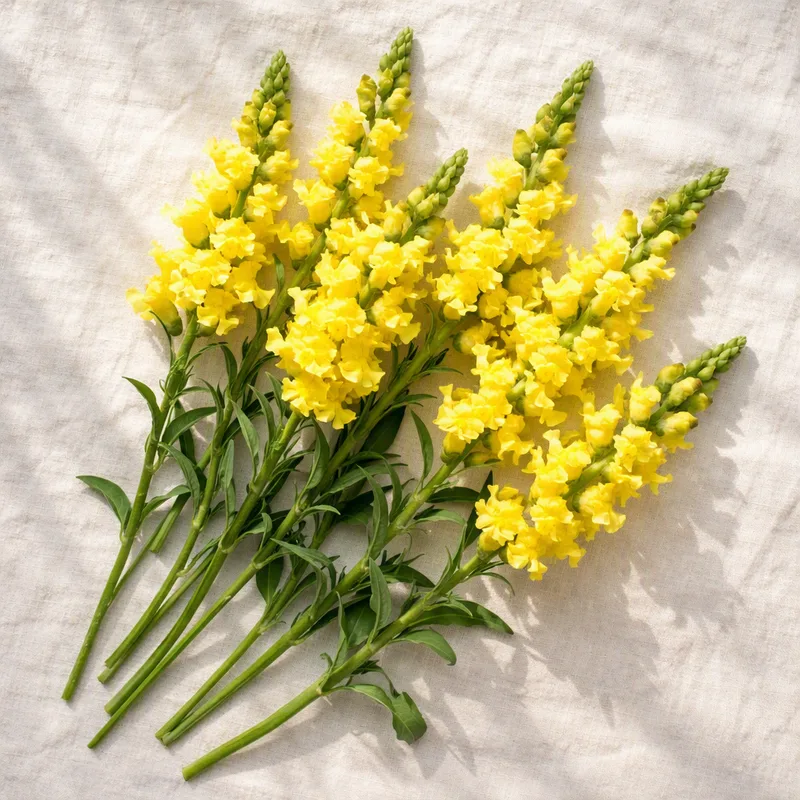
Antirrhinum rust is a fungal disease that leaves orange-brown pustules under the leaves. Choose resistant varieties and avoid overhead watering. For vases, cut spikes when about a third of the flowers are open and keep them upright; stems bend upwards if laid flat.
Pets
Snapdragon is recorded by the ASPCA as safe for dogs, cats and horses.