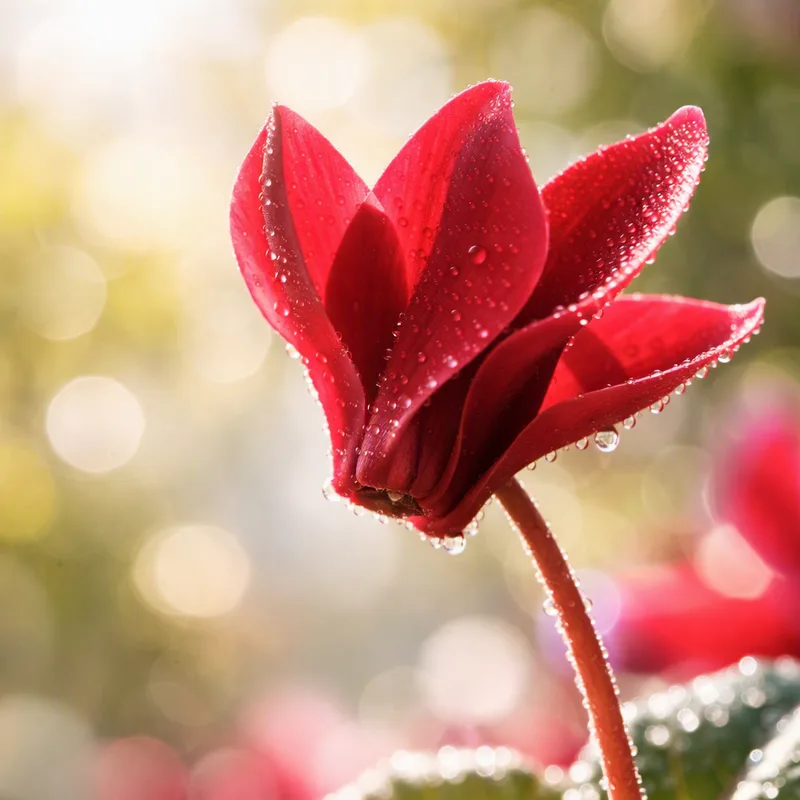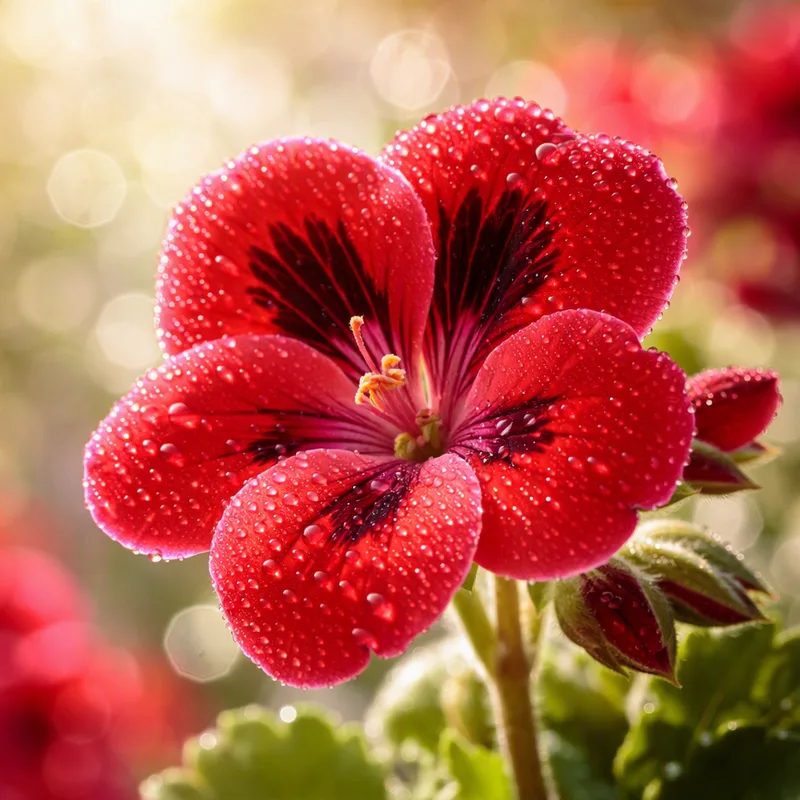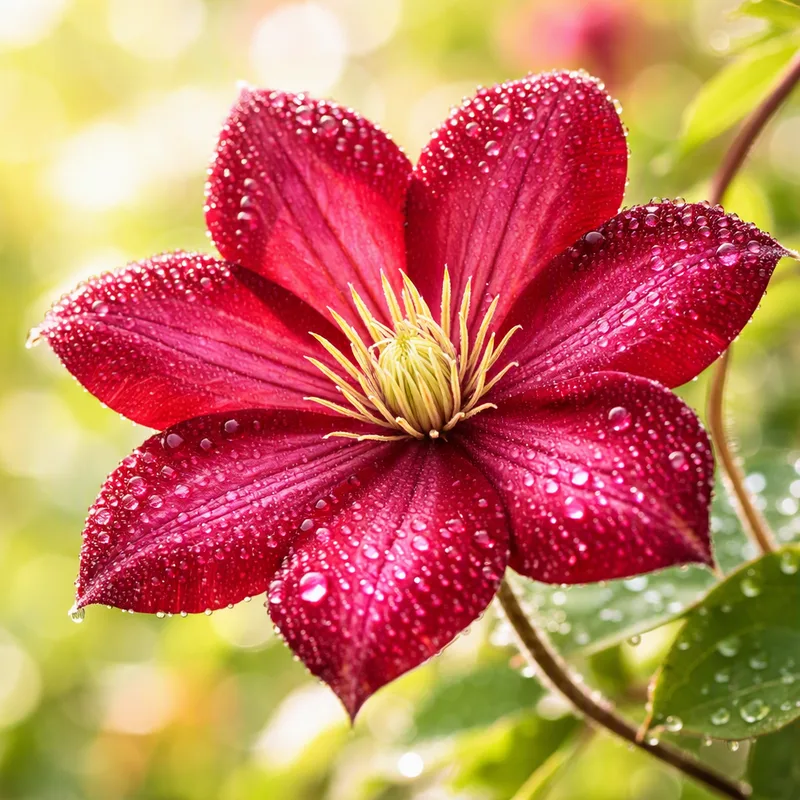


Red, the loudest colour in the border
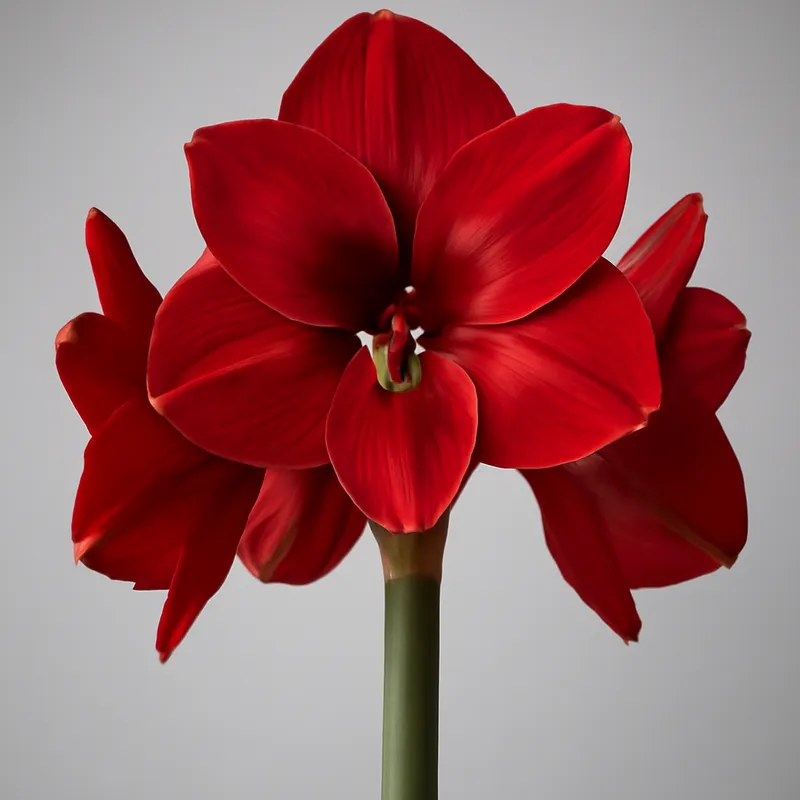
In a garden of pinks and mauves, a red rhododendron is a statement. Hybrid breeders have produced flowers from cherry to deep crimson, in trusses that can hide the leaves. Plant them where light is soft: strong sun and wind fade the petals and scorch the foliage.
What about the meaning?
Searches for the meaning of a red rhododendron are common, yet there is no widely documented traditional symbolism for the plant that attaches to its colour. It is far better known as a spring showpiece, and in a few places as an emblem: various species are the national flower of Nepal and the state flower of Washington and West Virginia in the United States.
Nectar, bees and honey
The same chemical defence that makes the leaves poisonous, grayanotoxin, is present in the nectar. A study published in Functional Ecology found that rhododendron nectar was toxic to honeybees and paralysed a mining bee, although buff-tailed bumblebees were not affected. Honey from rhododendron nectar can poison people, so pick a bee-friendly companion if you want to feed pollinators.
Care for strong colour
- Choose a sheltered, partly shaded spot with acid soil, pH about 4.5 to 5.5.
- Plant shallowly and mulch with leaf mould.
- Deadhead after flowering if you can reach, so energy goes into growth.
Keep pets away
The ASPCA lists rhododendron as toxic to dogs, cats and horses. Vomiting, diarrhoea, drooling, weakness and heart effects can follow even a few leaves. Contact a vet or the Animal PoisonLine, and NHS 111 for a person.