Classic Viola (Viola) – A Timeless Garden Favourite
Classic Viola (Viola) is one of our most beloved and timeless garden flowers, enchanting with its charming little faces and rich colour palette. This hardy bloom has been a favourite among garden enthusiasts for generations and continues to be a popular choice for both beginners and experienced gardeners.
A Flower with Personality and Charm
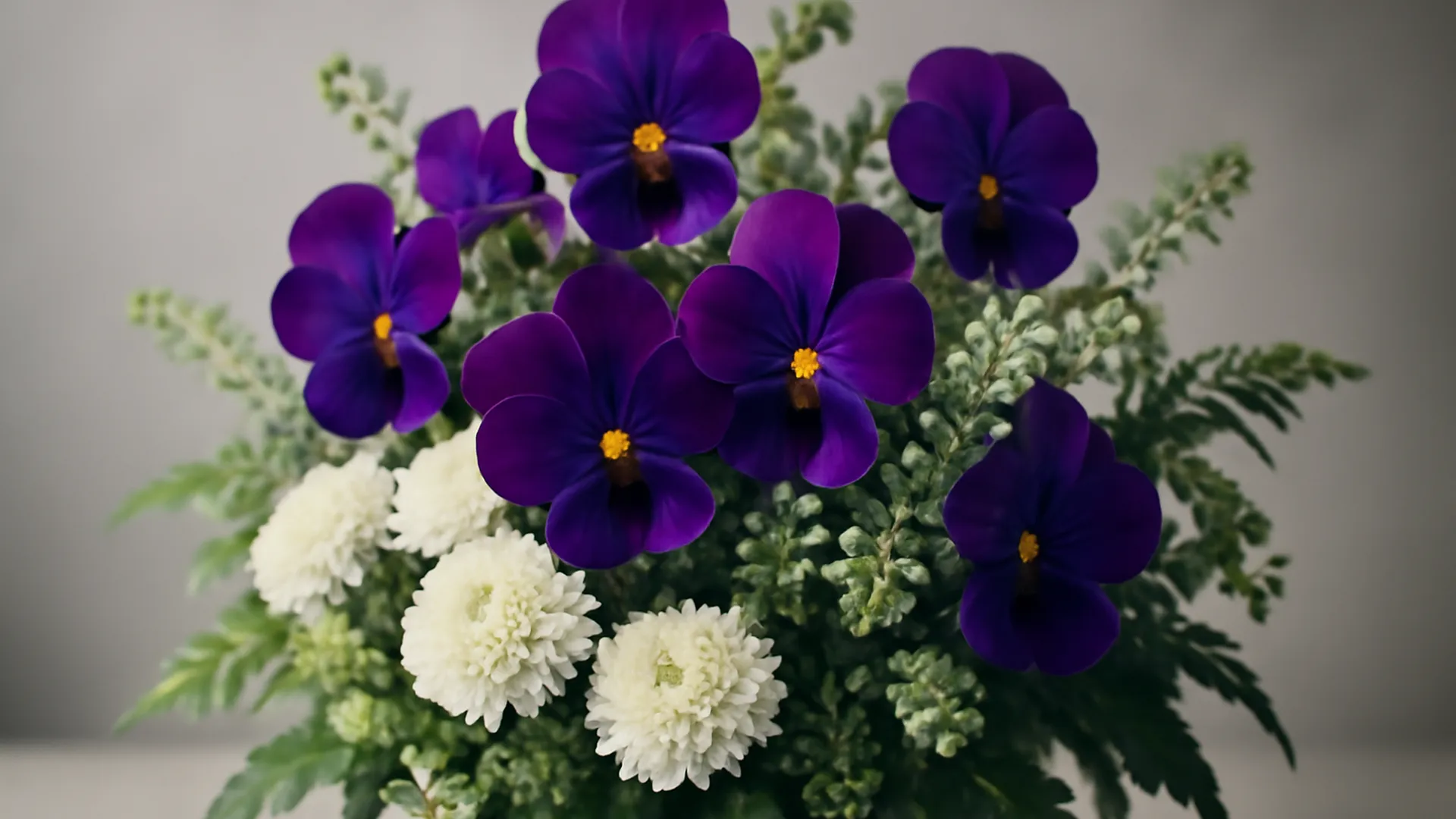
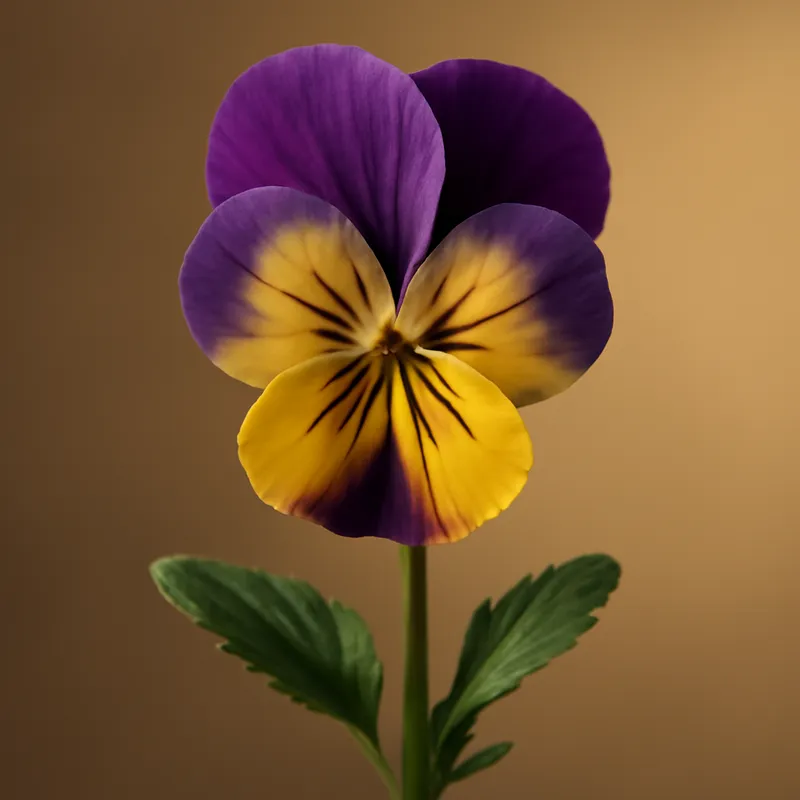
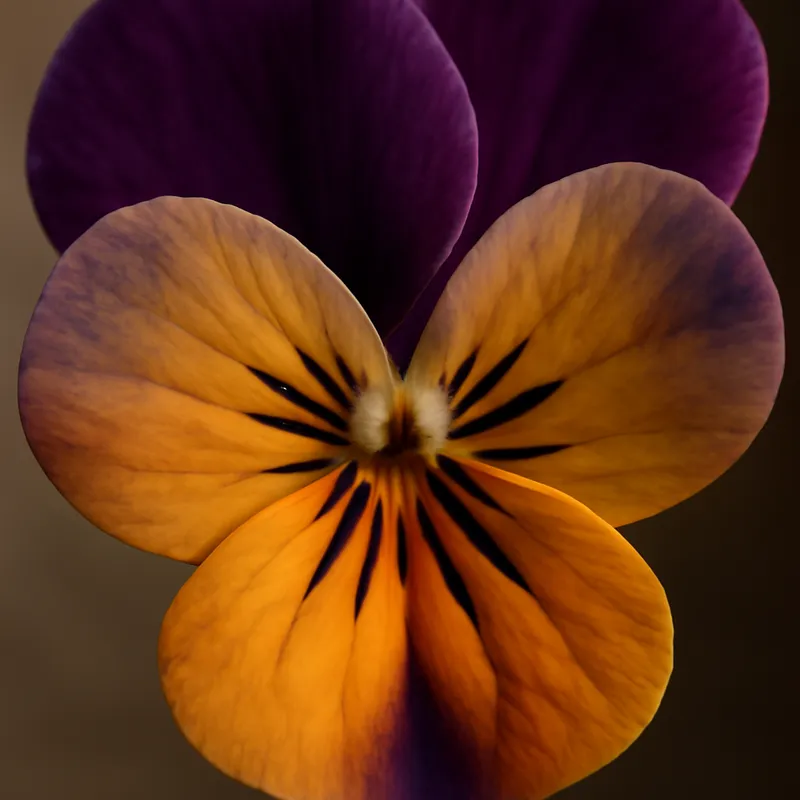
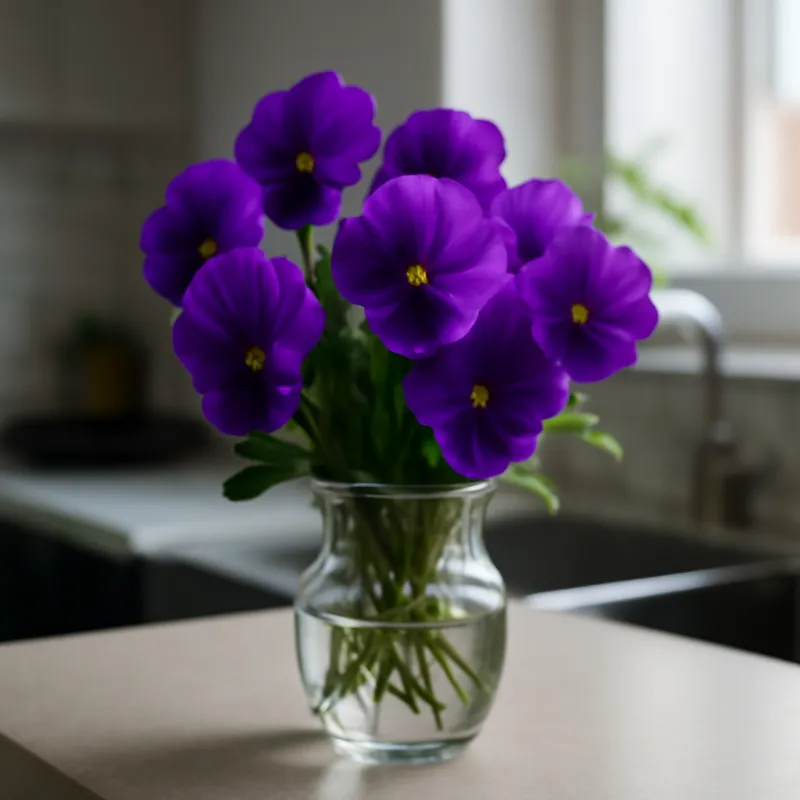
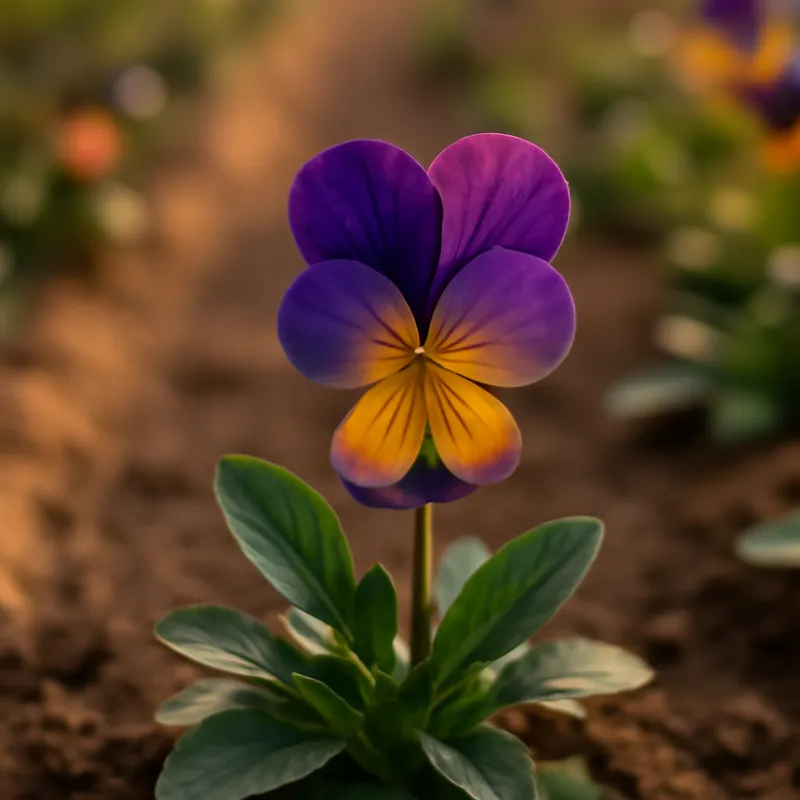
The viola's characteristic appearance, with its five petals that often resemble little faces, makes it instantly recognisable. The flowers come in a fantastic variety of colours – from deep purples and blues to yellows, whites and multi-coloured combinations. Each bloom is like a little work of art with its unique markings and patterns.
Ideal for Various Growing Conditions
Classic violas thrive best in cooler weather and are therefore perfect for spring and autumn planting. The flowers appreciate a spot with morning sun and afternoon shade, making them ideal for many different areas of the garden. Their compact habit makes violas suitable for flower beds, pots and as border plants.
Long-Lasting Bloom and Hardiness
One of the viola's greatest advantages is its long flowering period. Under the right conditions, the flowers can continue producing new blooms for several months. By regularly deadheading spent flowers, you encourage the plant to keep blooming and maintain a neat, well-groomed appearance.
Planting and Establishment
When planting classic violas, it's important to choose the right time. Spring planting can begin early in the season when frost risk has lessened, whilst autumn planting creates beautiful splashes of colour when many other flowers are beginning to fade. Plant approximately 15-20 centimetres apart to give them sufficient space to develop.
Care During the Growing Season
Violas are relatively low-maintenance but appreciate regular attention. Keep the soil evenly moist but not waterlogged, and feed the plant with a balanced fertiliser during the growing season. By keeping the area around the plants free from weeds, you ensure the viola receives all the nutrients and water it needs.
Combinations and Garden Design
Classic violas work excellently both as standalone plants and in combination with others. They complement other spring and autumn flowers beautifully and can be used to create colourful arrangements. In pots and window boxes, violas provide an immediate colour impact that lasts for months.
Seasonal Rhythm and Climate Adaptation
The viola follows nature's rhythm and adapts well to our climate. During warm summer months, flowering may diminish, but with proper care and occasionally a rest period, blooming often returns as temperatures cool. This makes the viola a reliable companion throughout much of the growing season.