
Snowdrop Classic
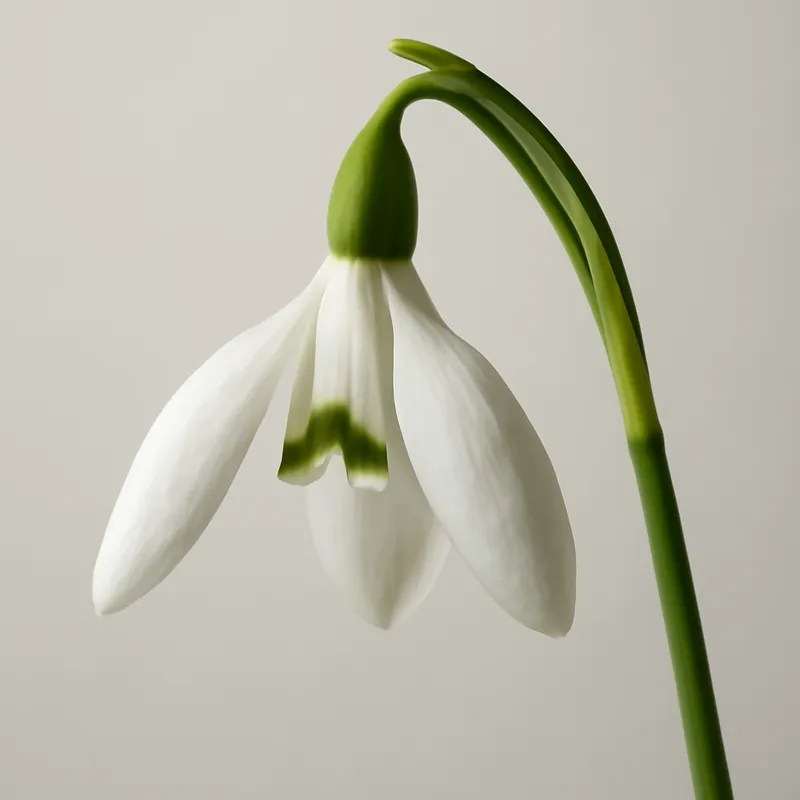
Snowdrop Classic is one of our most beloved spring flowers, with its delicate white, nodding blooms signalling that winter is soon coming to an end. This sturdy bulb belongs to the amaryllis family and is renowned for its ability to flower even whilst snow still covers the ground.
Distinctive Features
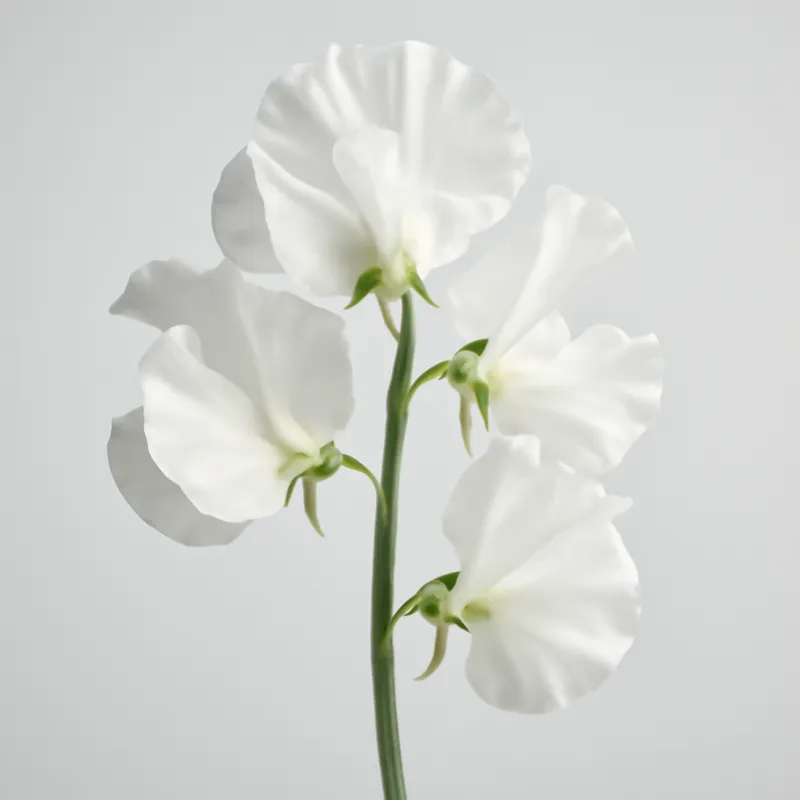
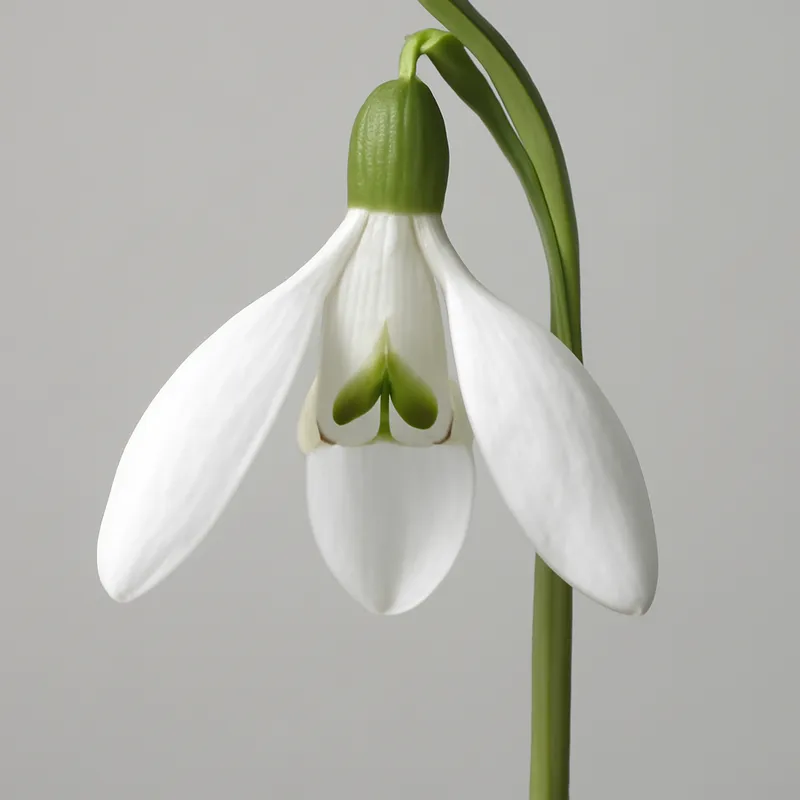
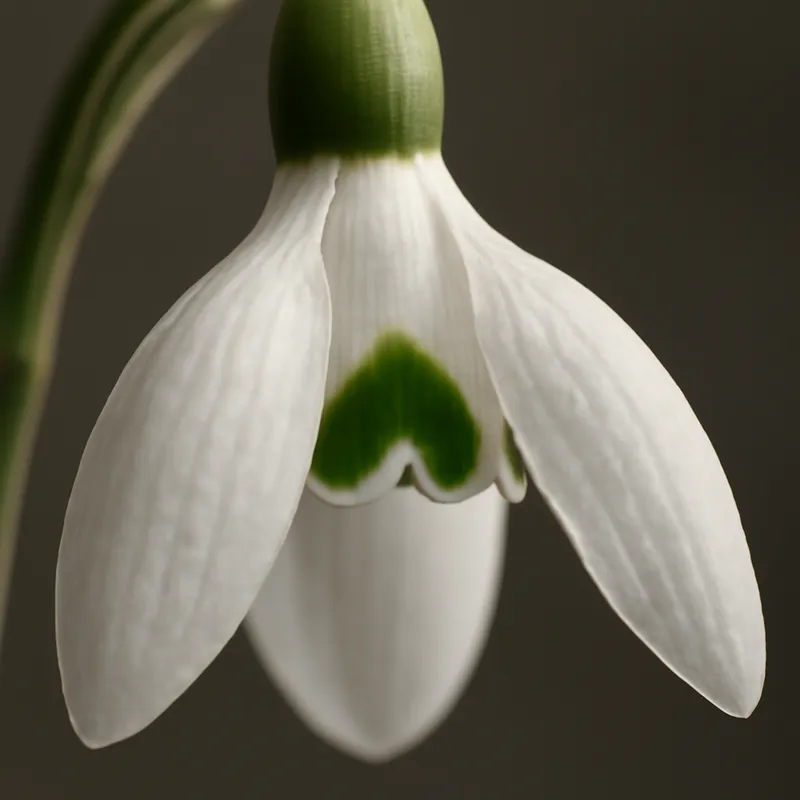
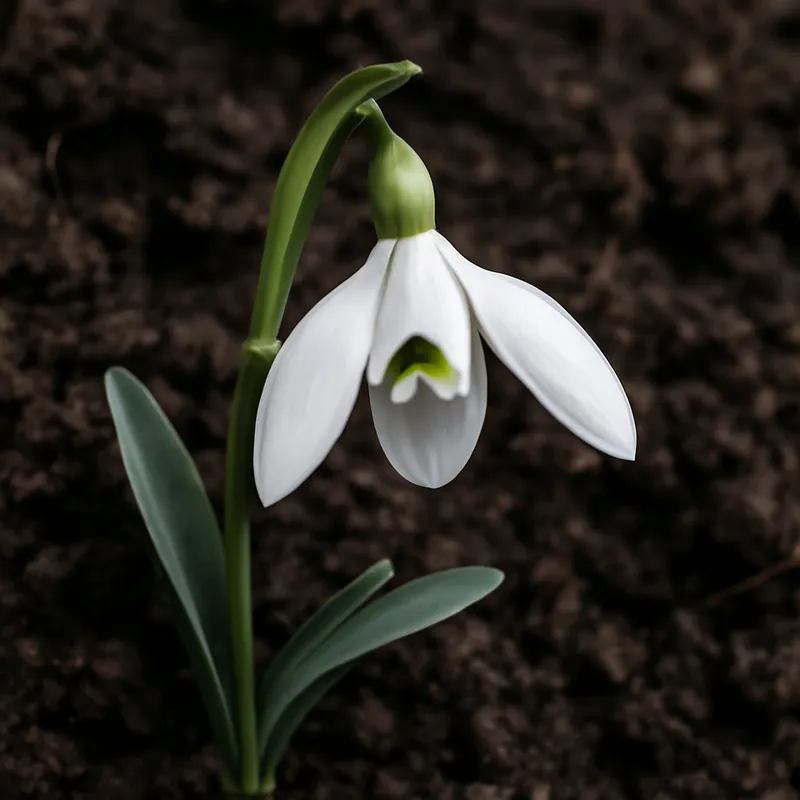
The snowdrop is characterised by its narrow, blue-green foliage and distinctive white flowers that hang like tiny bells from slender stems. Each bloom has six petals, with the three outer petals pure white whilst the three inner petals bear green markings. The plant typically reaches 10-15 centimetres in height and flowers from February to April depending on weather conditions.
Planting and Establishment
Bulbs are best planted in autumn, ideally in September or October when the soil is still warm but the air has cooled. Plant the bulbs at a depth equivalent to three times the bulb's height, which usually means 8-10 centimetres deep. Choose a spot with well-draining soil that won't become waterlogged over winter.
Optimal Growing Conditions
Snowdrops thrive best in dappled shade beneath deciduous trees or shrubs, where they receive early spring sunshine but are protected from strong summer sun. The soil should be moist but well-drained, ideally enriched with humus. The plant is extremely hardy and handles British winters without difficulty.
Care During the Growing Season
Snowdrops require minimal attention whilst flowering. Leave the foliage in place after blooming until it yellows naturally, which typically occurs in May or June. During this period, the bulb gathers nutrients for next year's flowers. Avoid cutting back the leaves too early as this weakens the plant.
Propagation and Spreading
Snowdrops multiply through offsets and self-seeding. To divide plants, do so immediately after flowering whilst the foliage is still green. Carefully lift the clumps and split them into smaller groups for replanting elsewhere. This is also the best way to spread snowdrops throughout your garden.
Annual Cycle and Long-term Care
As a perennial bulb, the snowdrop returns year after year and often becomes more beautiful with each season. The plant requires minimal care but will benefit from a light application of compost in spring. Avoid disturbing established colonies unnecessarily as snowdrops prefer to be left undisturbed.
Combination with Other Plants
Snowdrops work beautifully alongside other early spring flowers such as winter aconite, crocus and hellebores. They also pair well beneath deciduous trees and shrubs where they can form natural carpets that spread over time.