The hedgerow shrub
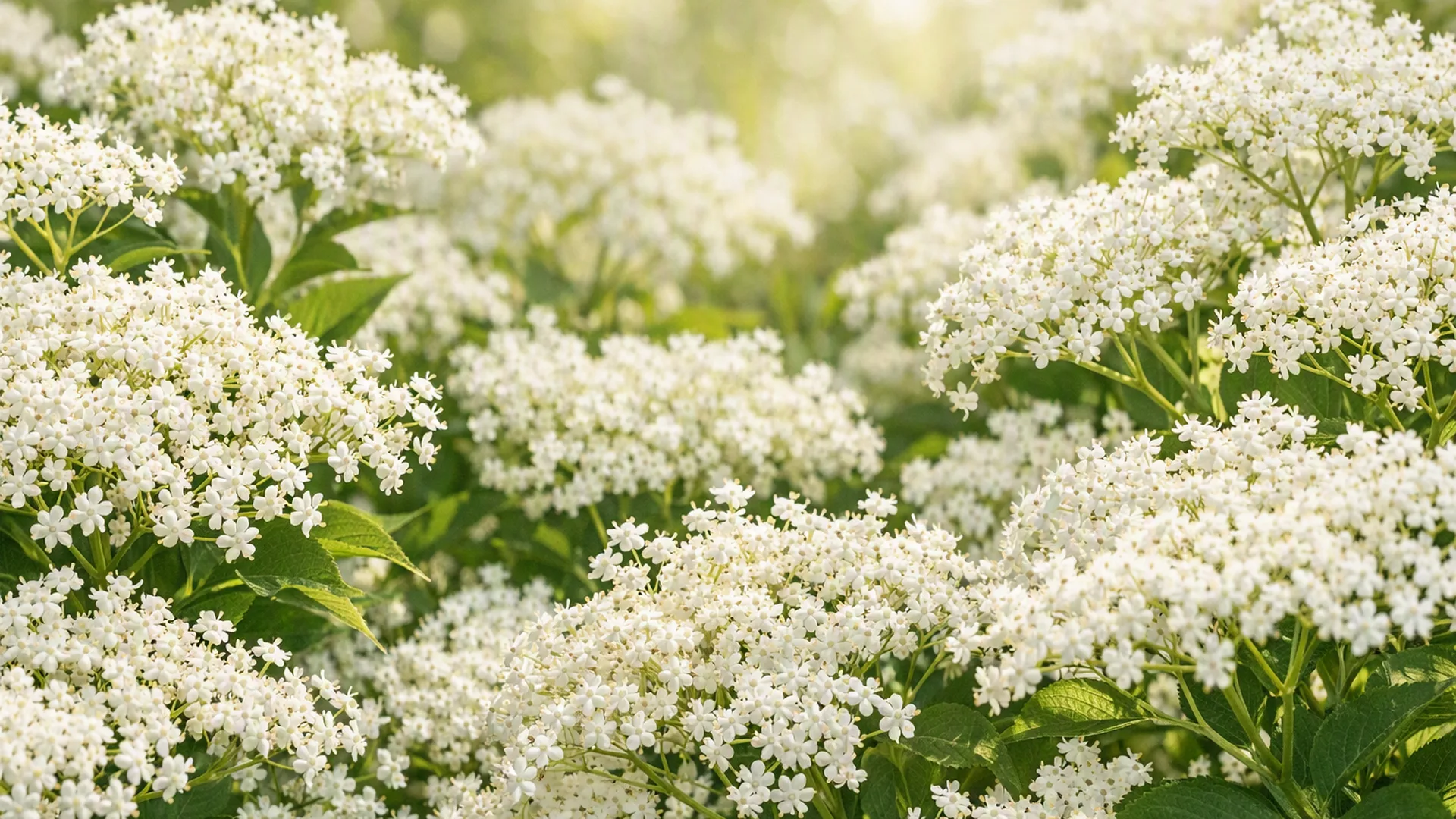
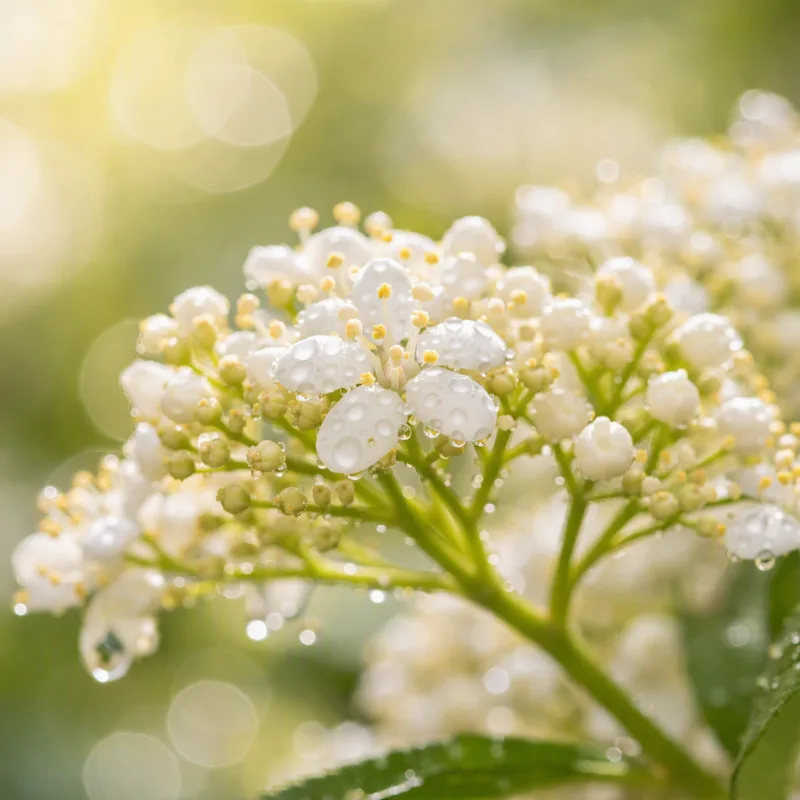
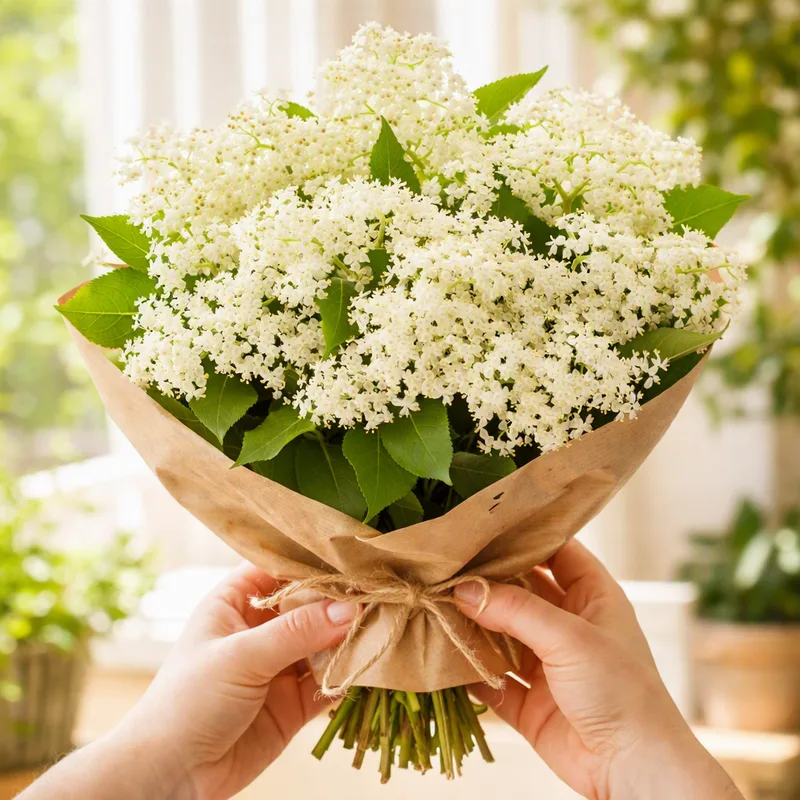
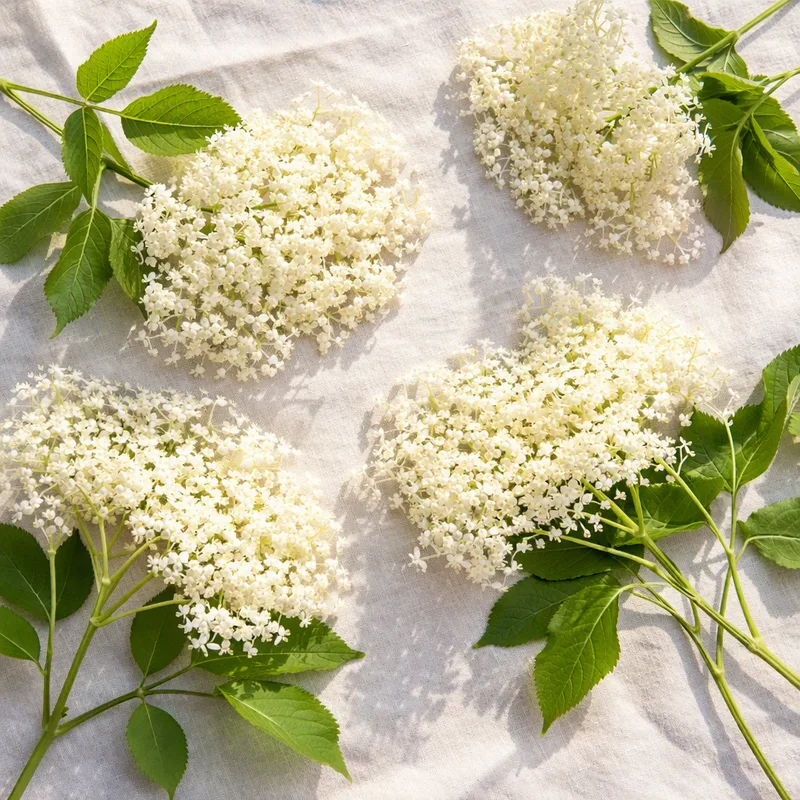
Common elder grows as a leafy shrub or small tree, typically 6 to 10 metres high, and Wikipedia notes that it grows in both wet and dry fertile soils, mostly in sunny places. Across Britain it fills hedgerows, railway cuttings and waste ground. Creamy flat-topped flower heads, called umbels, open from late spring into early summer, and black berries follow in late summer.
Old English folklore says it is unlucky to burn or cut elder, which is one reason it survives so widely in field boundaries.
Cordial season
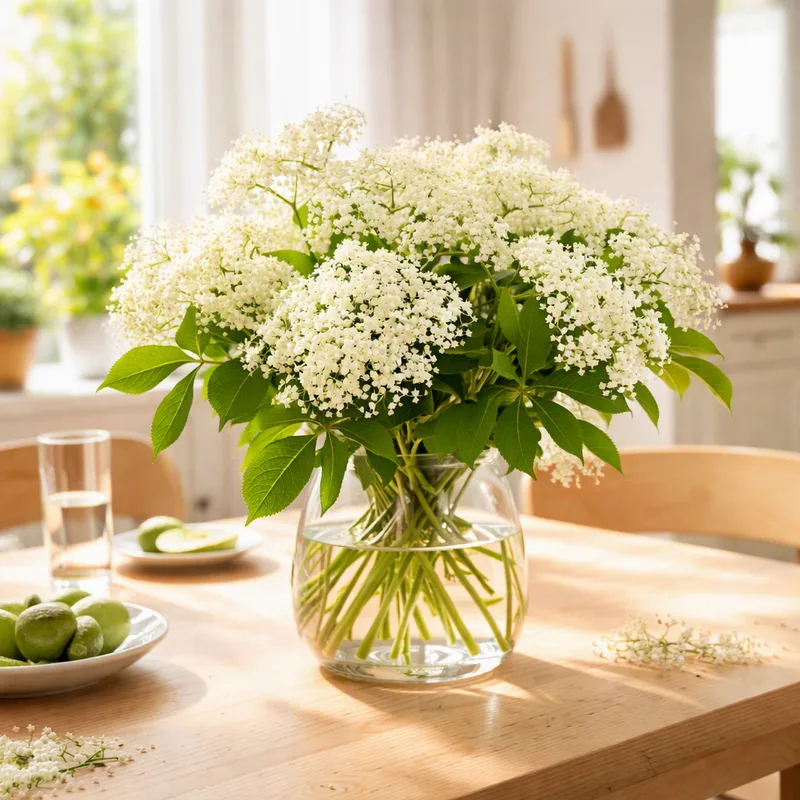
Flowers and berries have long been used for cordial and wine. Elderflower cordial is the classic British example, made from freshly picked heads steeped with sugar and lemon.
If you forage, follow some simple rules:
- Pick only from plants you can identify with certainty.
- Choose heads from plants away from busy roads and sprayed field edges.
- Cut flowers on a dry day when they are fully open.
- Take only a share, leaving plenty for insects and berries.
What to avoid
Apart from the ripe berry flesh, all parts of the plant are poisonous to mammals, as the plant contains the cyanogenic glycoside sambunigrin. Bark, leaves and unripe berries are not for eating, and uncooked berries may cause stomach upset, so heat them first. Elderberry also appears on the ASPCA toxic list for dogs, cats and horses. If a person is unwell after eating elder, call NHS 111.
In the garden
Elder takes sun or part shade and tolerates hard pruning. Berries are a major food source for birds.