From hedgerow to trellis
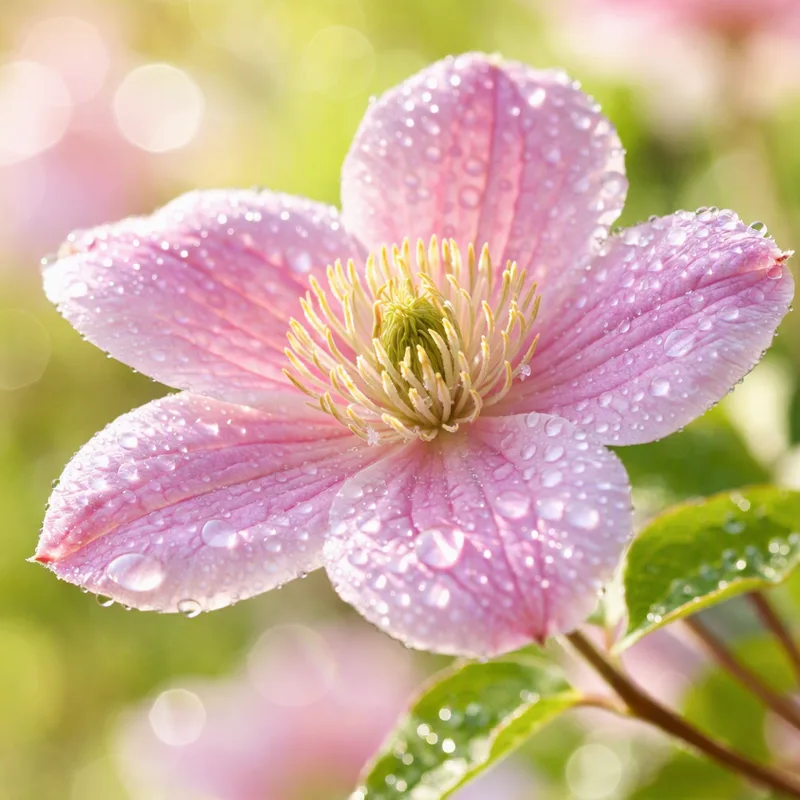
Britain has one native clematis, Clematis vitalba. It climbs through hedges on chalk and limestone, and in autumn its fluffy seedheads earned it the name old man's beard. The Elizabethan herbalist John Gerard called it traveller's joy, a name that stuck. The large-flowered garden hybrids you see on fences are descended from Asian species, and 'Jackmanii' was raised in Woking in the nineteenth century.
Pruning in three groups
Pruning confuses many gardeners, but the label usually names the group.
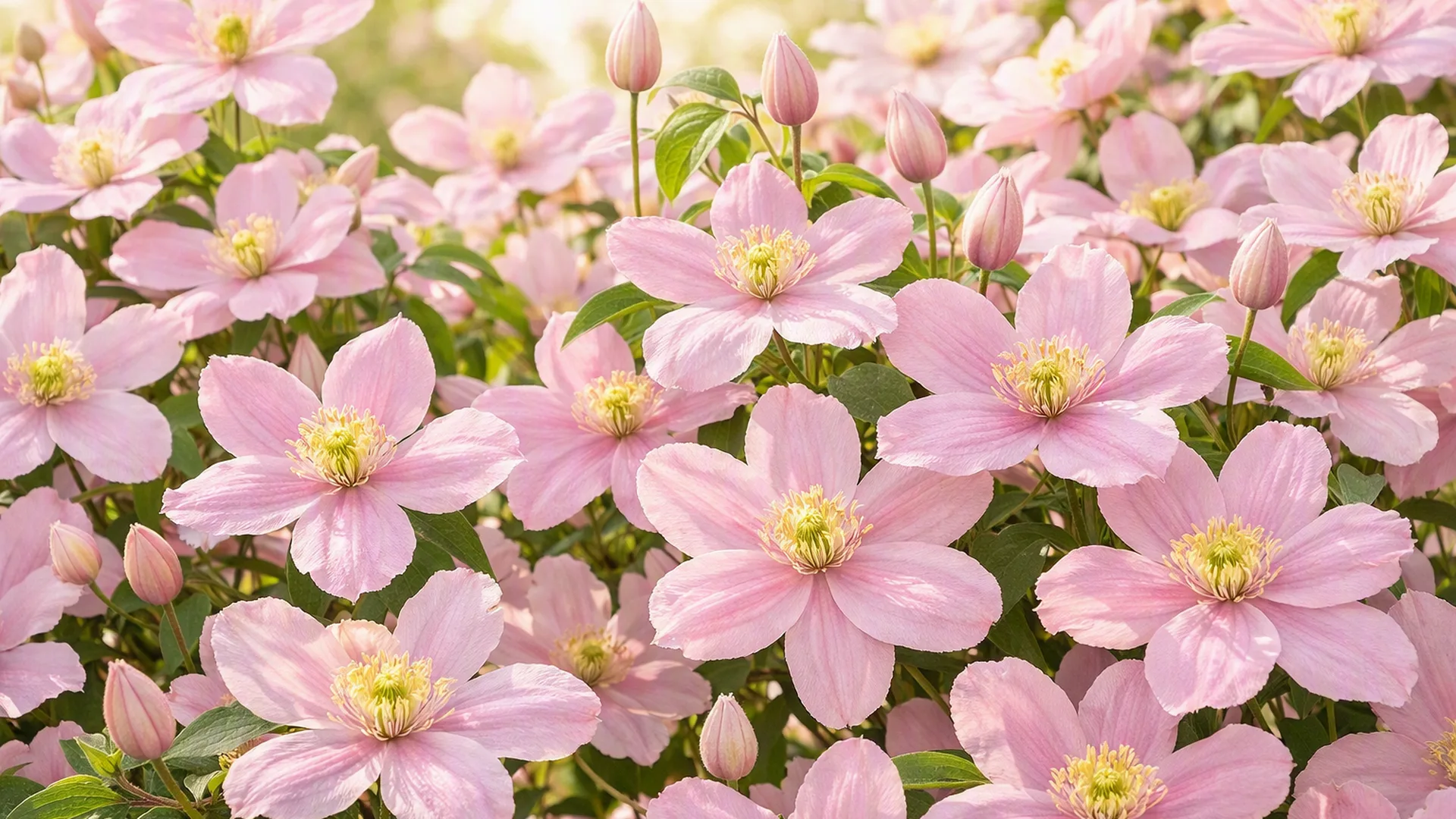
- Group 1 flowers on last year's wood in spring, such as Clematis montana, and needs little more than a tidy after flowering.
- Group 2 flowers in early summer on short side-shoots and may repeat later. Trim lightly in late winter.
- Group 3 flowers in late summer on new growth. Cut hard to about 30 centimetres in February or March.
Planting well
Clematis likes its head in sun and its roots cool, so shade the base with a pot, stones or low plants. Plant deeply, with the top of the root ball a few centimetres below the soil surface, so that new shoots can grow if clematis wilt strikes. If it does, cut the stems to the ground, because the plant often regrows.
Respect the sap
The sap is an irritant. Its protoanemonin content leads the ASPCA to class clematis as poisonous to dogs, cats and horses, with drooling, vomiting and diarrhoea as the signs. Wear gloves when pruning and keep pets from chewing stems.