


Where pink comes from
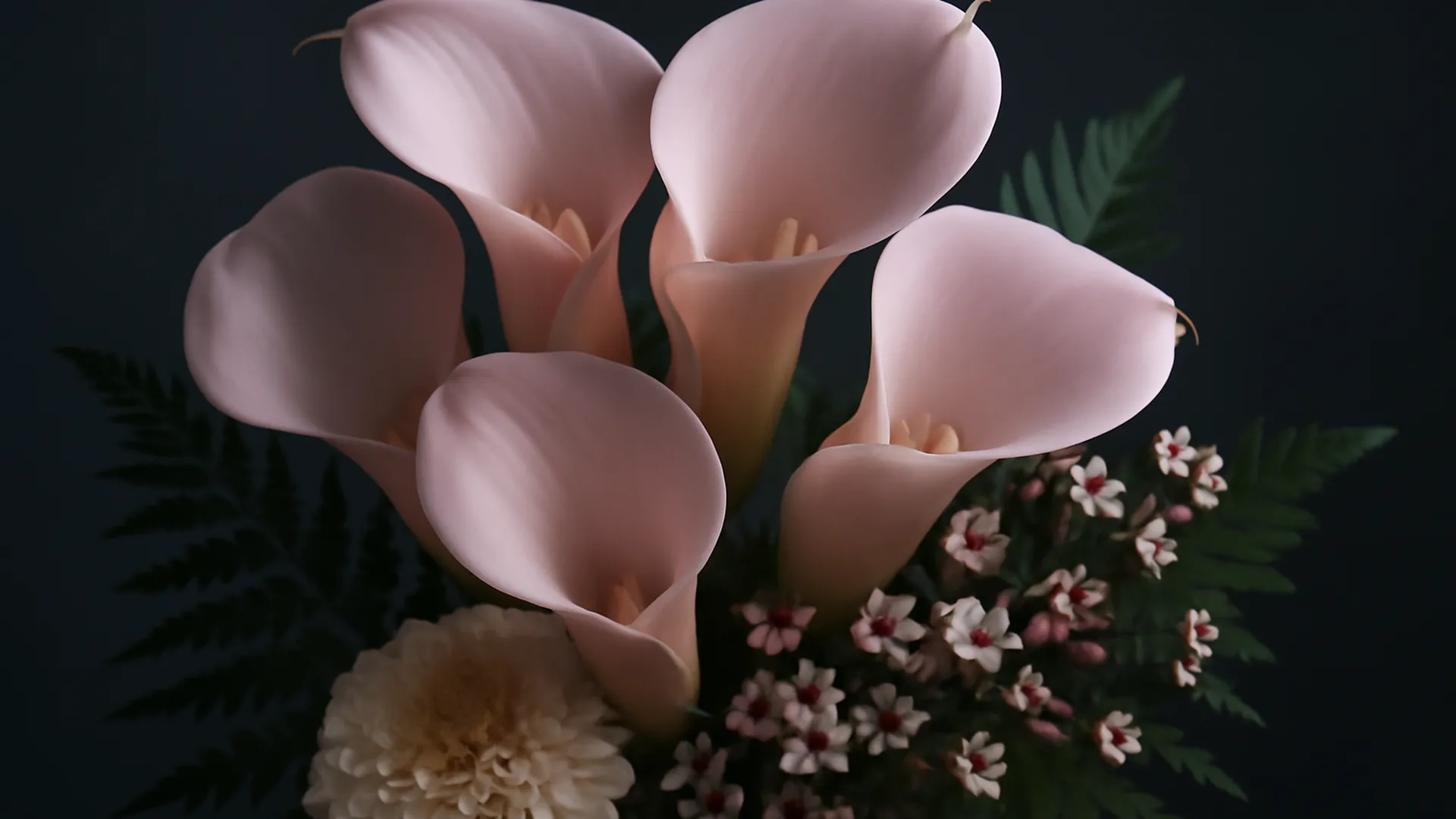
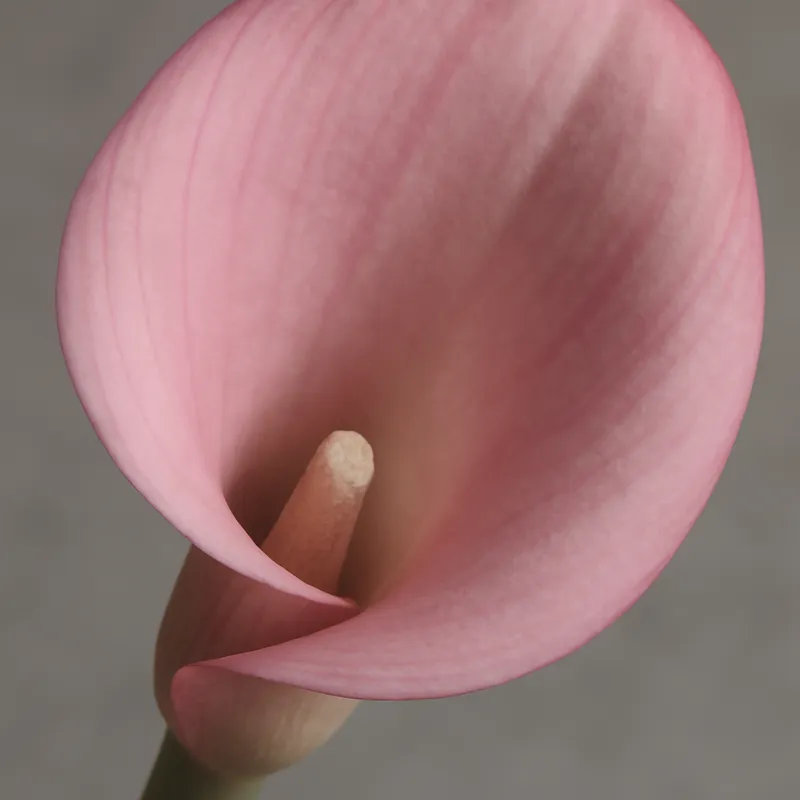
Pink callas are descended largely from Zantedeschia rehmannii, a smaller southern African species with rose-pink spathes, crossed with other species by breeders. They are shorter than the white arum lily, often 30 to 50 centimetres, and look neat in a pot or a small vase. The pink ranges from pale blush to rich raspberry, sometimes with a darker throat.
Pink for celebrations
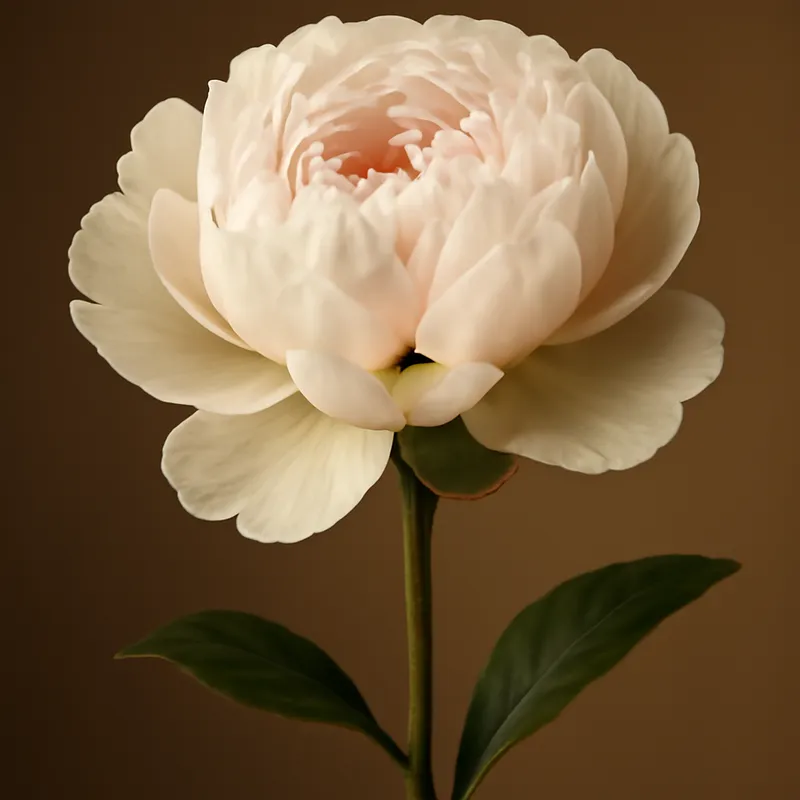
Pink callas suit spring and summer events such as Mothering Sunday, christenings and weddings, where white feels too stark. The language of flowers links pink with admiration and affection. In bridal work they appear alongside peonies and sweet peas.
Growing a pot of pink
A glossy pink calla is a good patio plant if you accept a few rules. It is tender, so it cannot stay outdoors during a British winter. Plant the tuber in gritty compost in spring, water well while it grows and feed fortnightly. After flowering, stop watering as the leaves yellow, and store the tuber in a dry, frost-free place. Slugs love the young foliage, so check after rain.
Cut stems
Pink callas have strong, rubbery stems that last well in a vase. Use deep water and re-cut every few days. Callas can be damaged by cold, so avoid keeping them in a draught.
Keeping pets away
Like all Zantedeschia, pink callas contain insoluble calcium oxalates. The ASPCA lists the calla lily as toxic to dogs and cats, with burning of the mouth, drooling and vomiting. Keep children from chewing the stems and ring NHS 111 if they do.