
The pink most gardens know
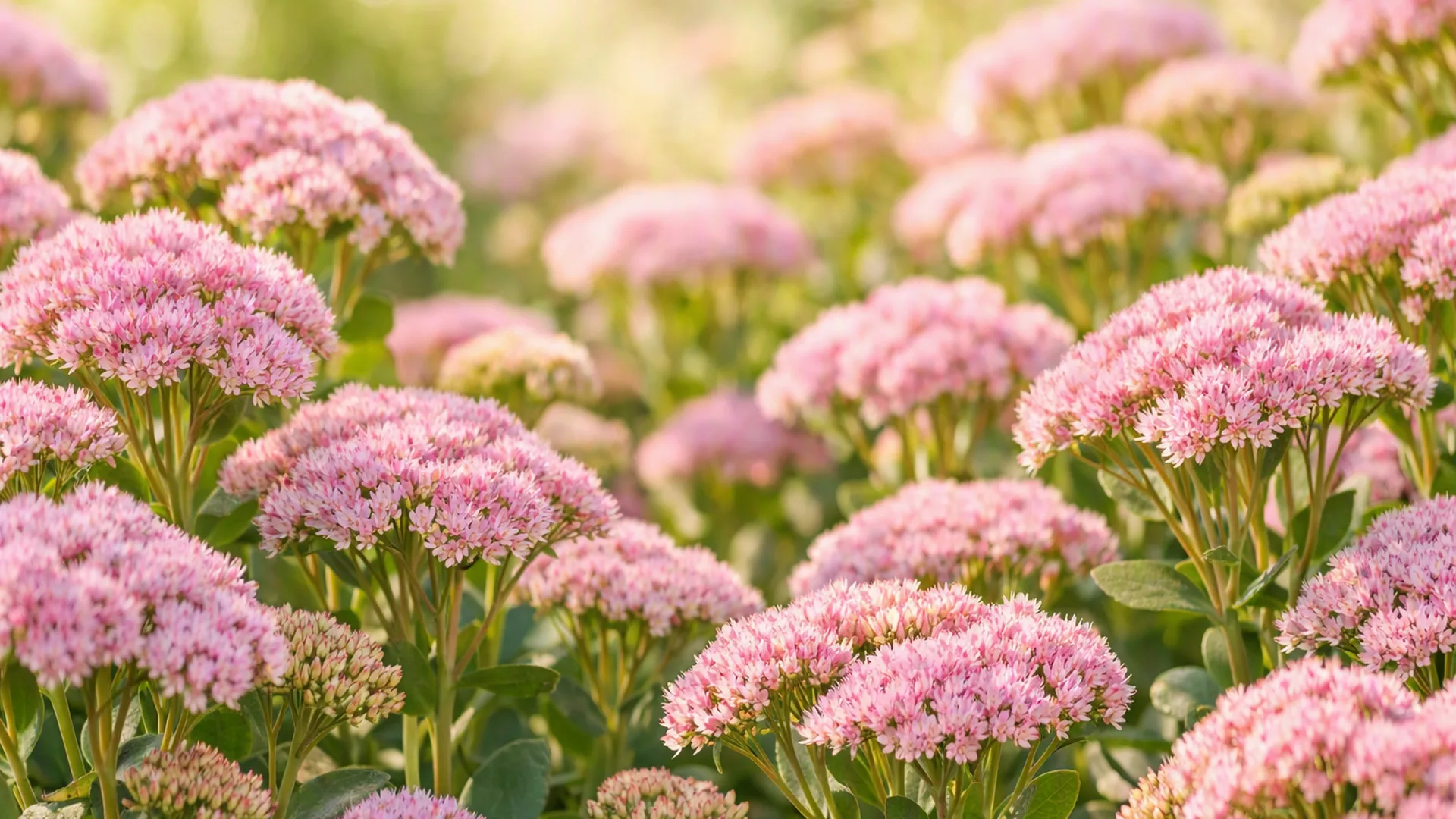
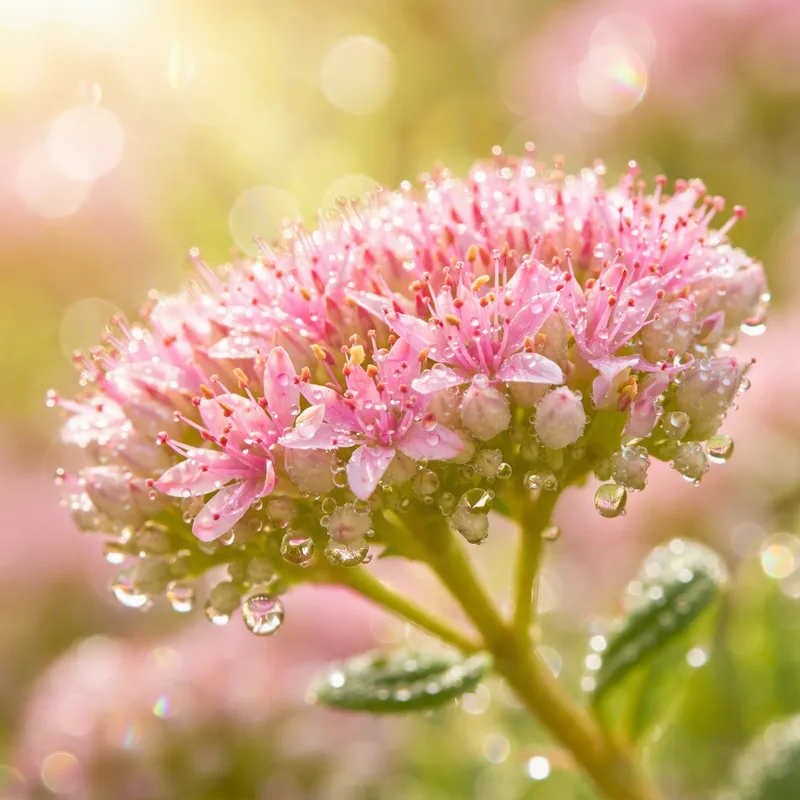
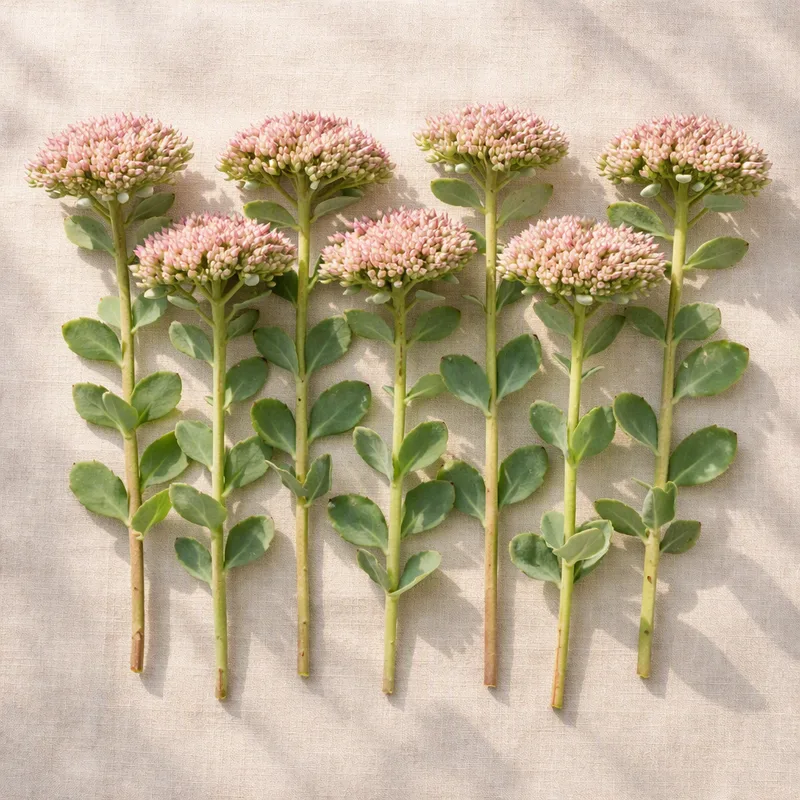
When people imagine the border sedum, this is the one: broad, flat-topped heads of tiny pink stars from late August. 'Brilliant' is a long-established rose-pink form of Hylotelephium spectabile, and 'Matrona' adds grey-purple stems. Taller, upright forms suit the back of a bed, while low types are good in gravel and containers.
For bees and butterflies
On a warm September afternoon, the heads can be covered with insects, with red admirals and small tortoiseshells feeding alongside bumblebees. This late nectar matters to species preparing for winter, and the RHS includes sedums in its lists of plants for pollinators.
In cold, wet winters, free-draining ground matters more than hardiness. Raised beds, gravel gardens and sunny slopes suit this plant well, and it does equally well in the dry south-east and in damp western counties as long as the soil is not heavy and waterlogged.
Doing well
- Pick a sunny site with free-draining soil.
- Do not overfeed, as lush growth is weak.
- Support is rarely needed if the plant gets enough light.
- After flowering, leave the heads over winter and cut them in early spring.
Cutting and drying
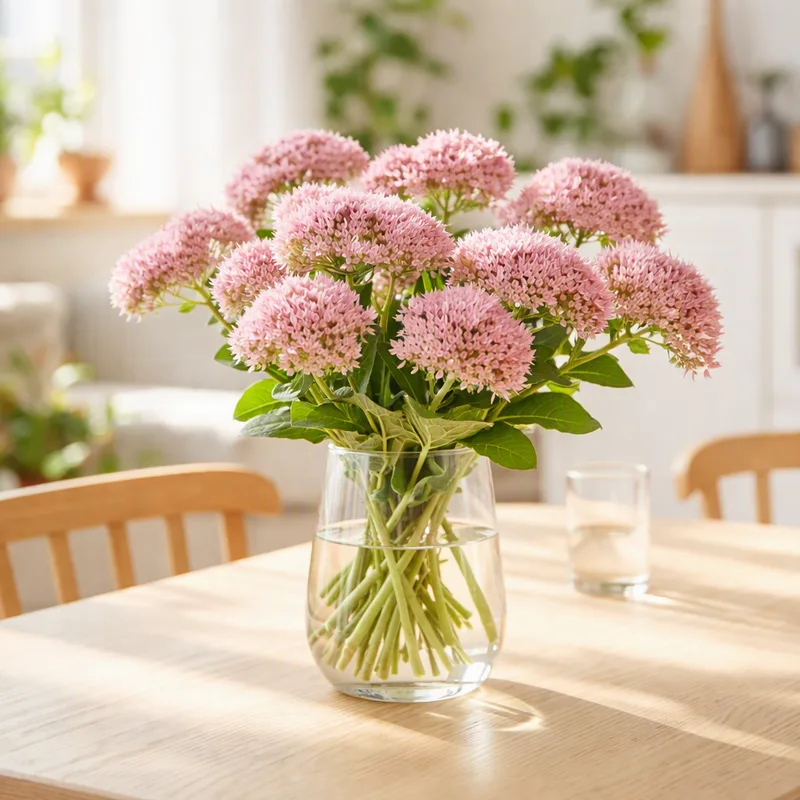
Stonecrop stems last well in water and look good in autumn arrangements with dahlias and berries. Dried heads keep a muted pink-brown colour for winter decoration.
Small children and pets
This stonecrop has no ASPCA rating. It calls the related burro's tail non-toxic for cats and dogs, but the garden form has not been tested, so keep chewing to a minimum. Keep any unfamiliar plants away from small children.