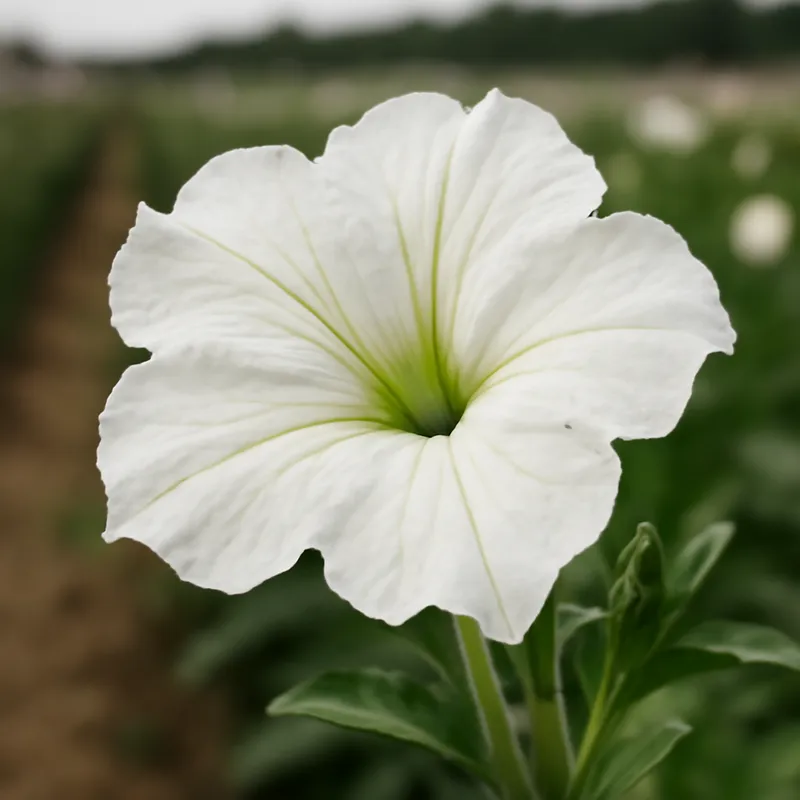
Classic Petunia
Classic petunias are among our most beloved summer flowers, brightening gardens and balconies with their rich colours and generous blooms. This charming flower has been a favourite amongst gardening enthusiasts for generations, thanks to its reliability and long flowering period.
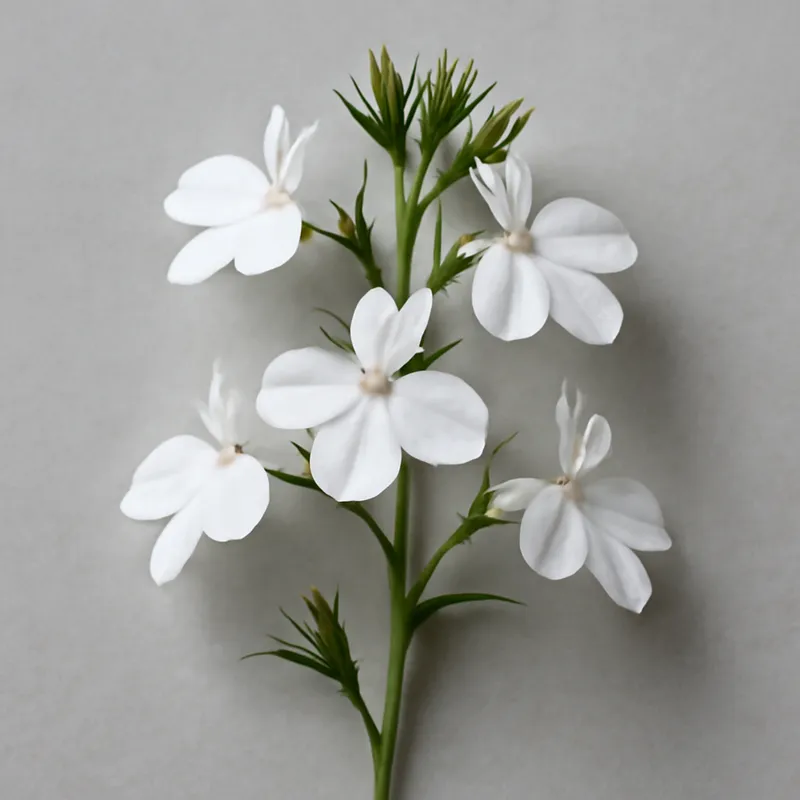
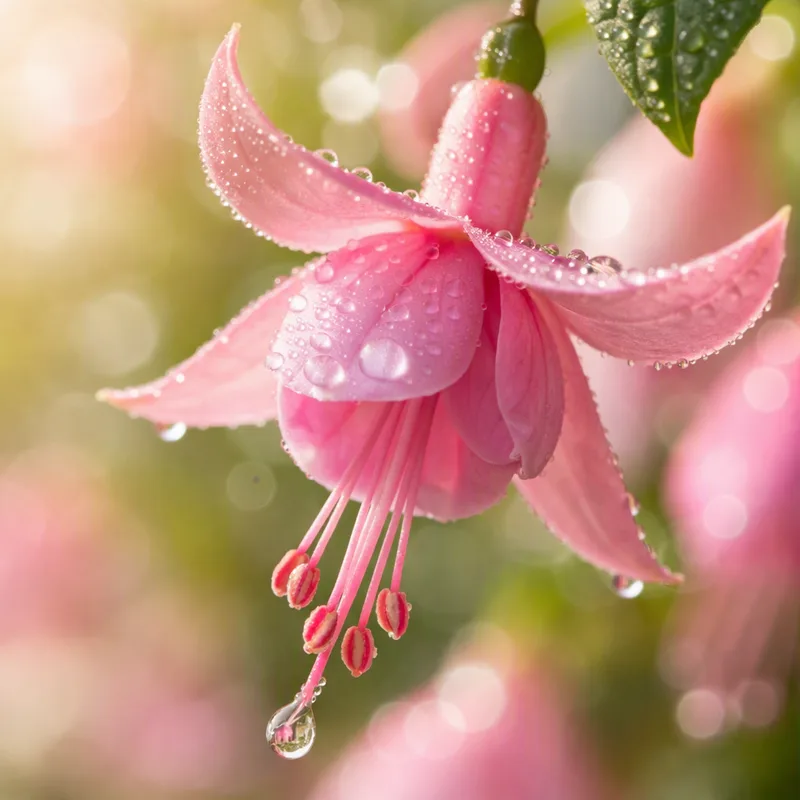
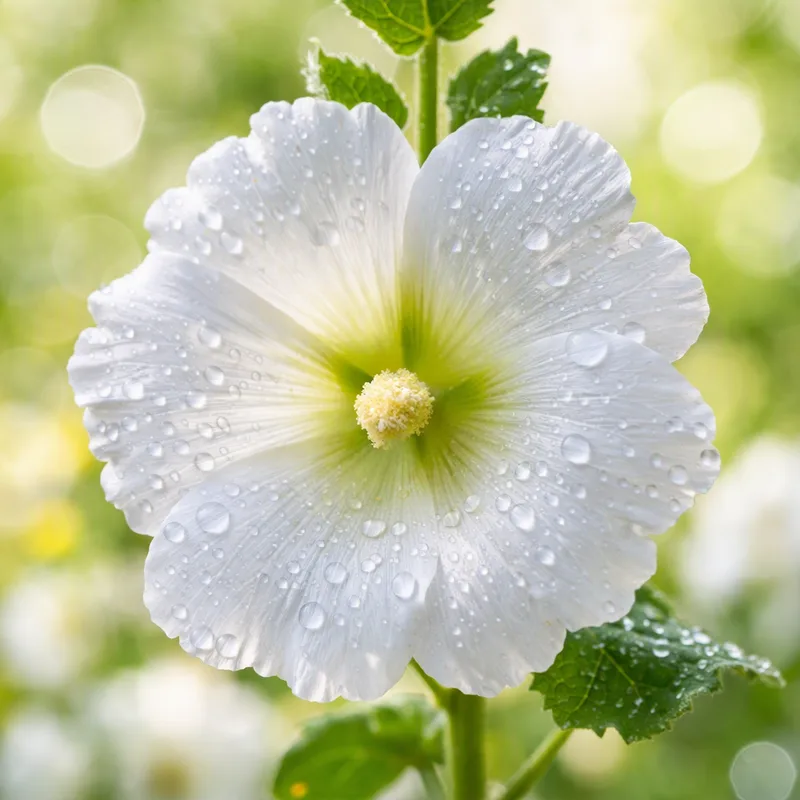
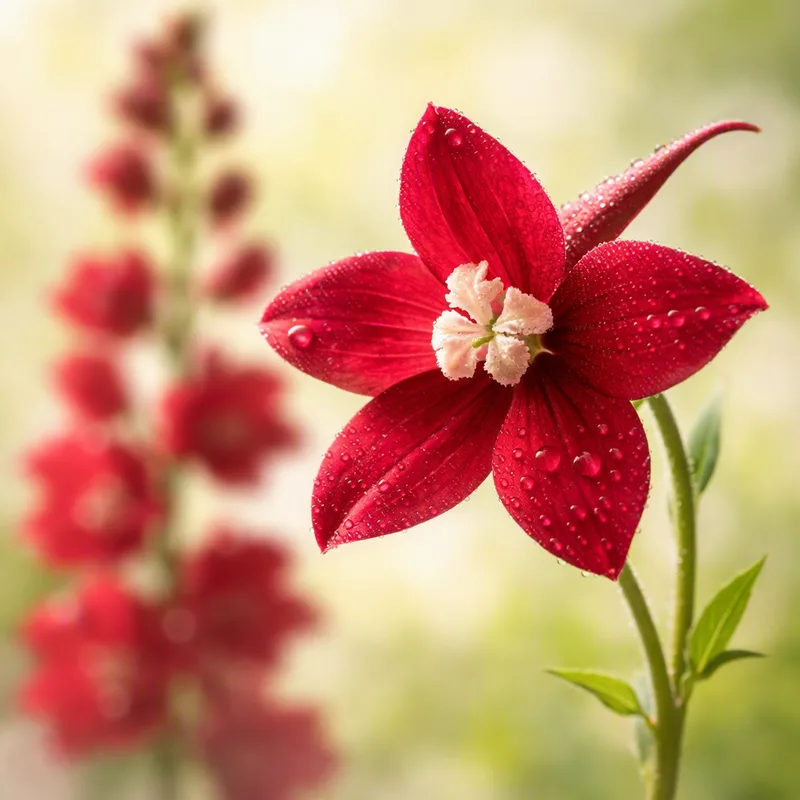
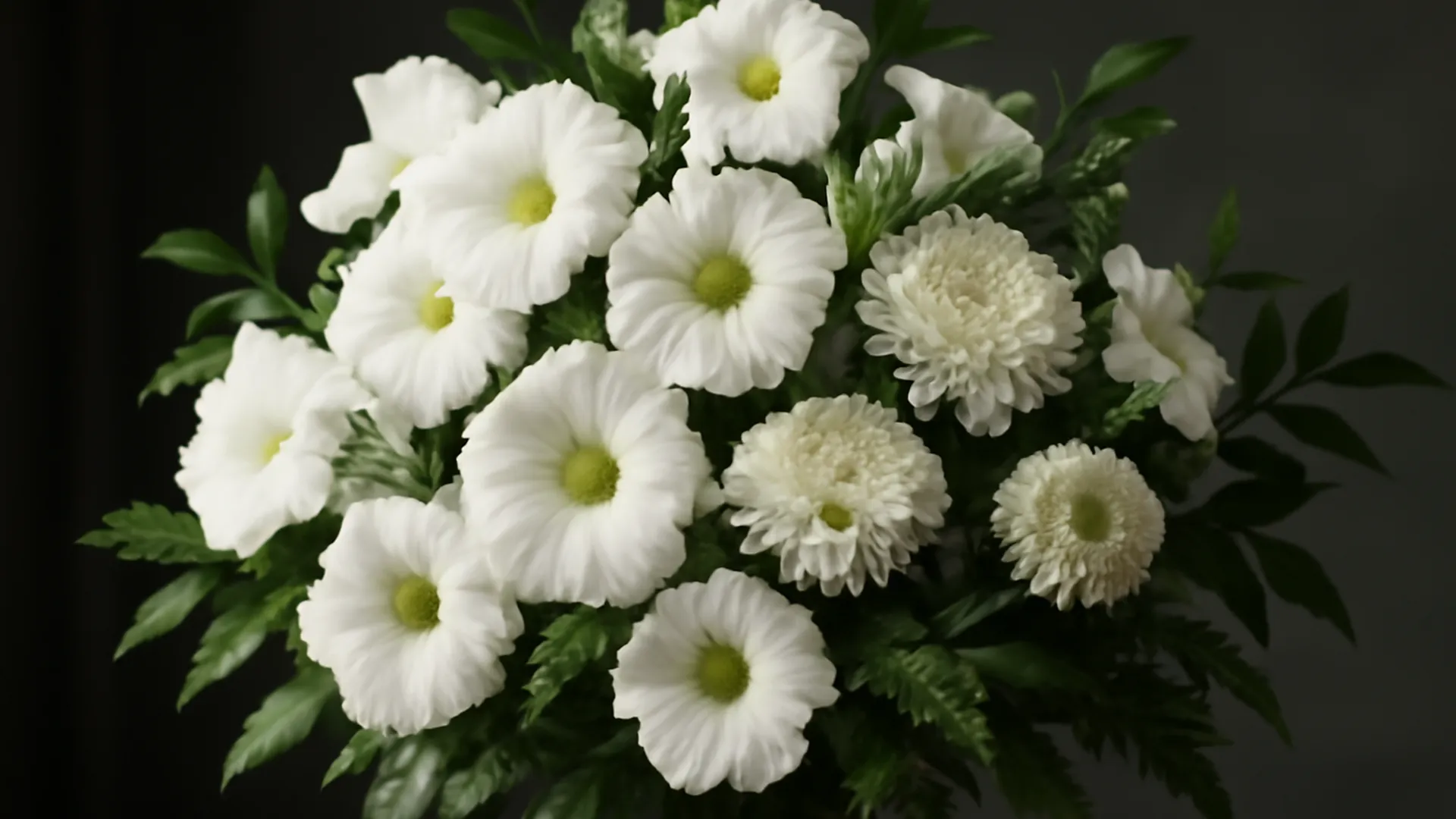
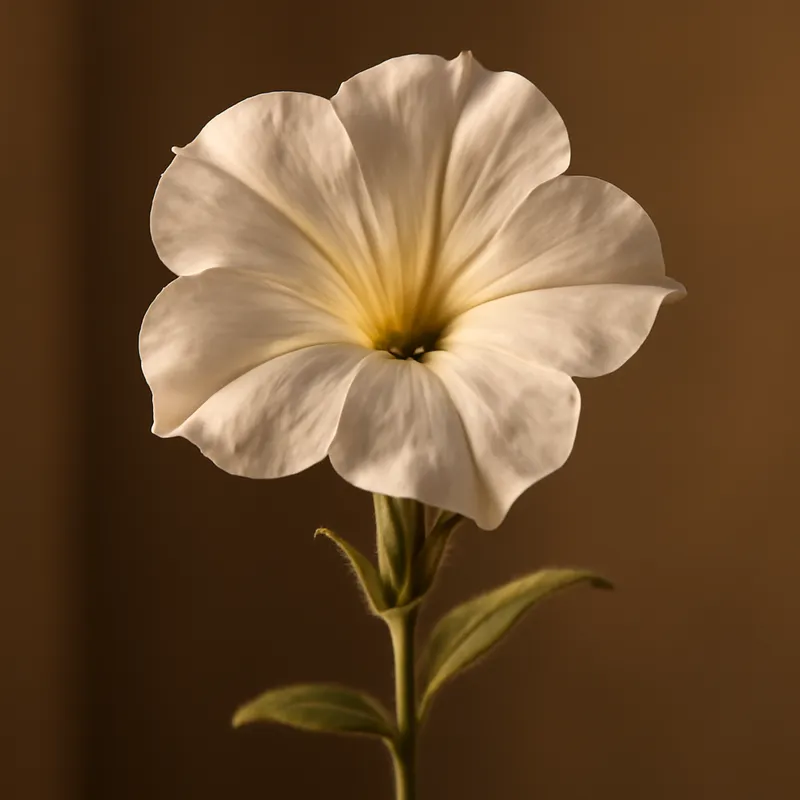
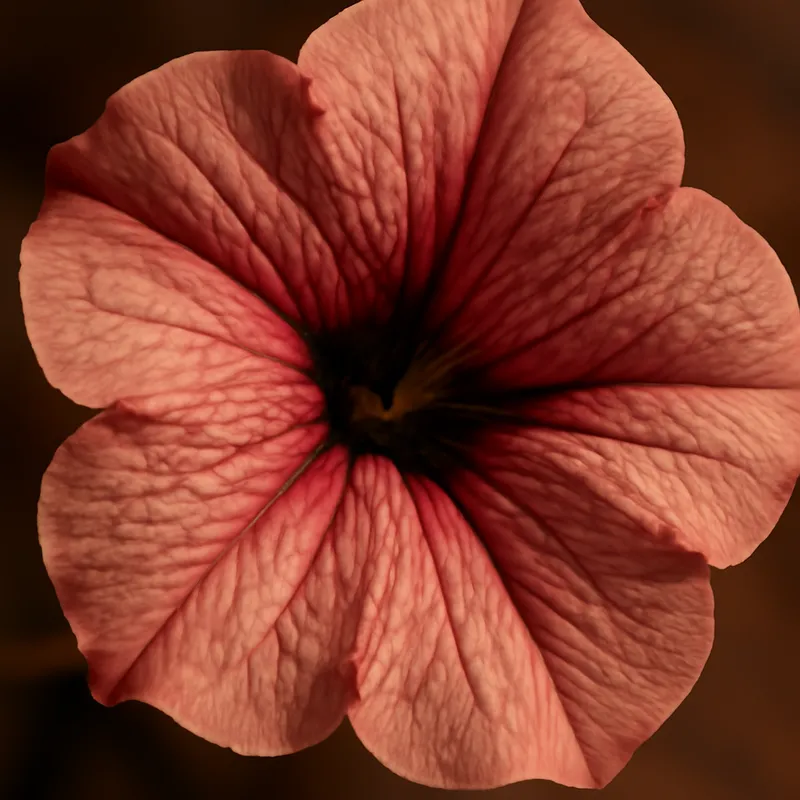
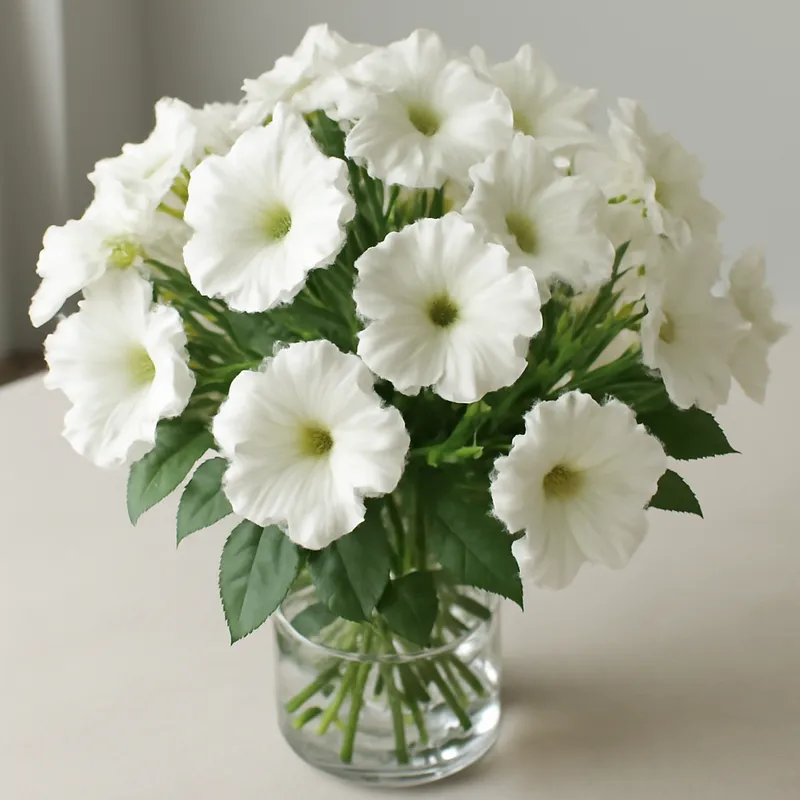
Classic petunias are characterised by their trumpet-shaped flowers, which come in a fantastic palette of colours – from deep purple and pink to pure white and yellow. The flowers are typically single-coloured or feature subtle colour gradations that give them an elegant and timeless character.
Planting and Soil Requirements
Petunias thrive best in nutrient-rich, well-draining soil with a pH value between 6.0 and 7.0. They prefer a sunny position where they receive at least six hours of direct sunlight per day. When planting, it is important to prepare the soil by working in compost or well-rotted manure to ensure good nutrition and drainage.
Watering and Feeding
Regular watering is essential for petunias' wellbeing, especially during warm summer periods. The soil should be kept evenly moist but not waterlogged, as overwatering can lead to root rot. It is best to water in the morning so that the leaves have time to dry before evening.
Care During the Growing Season
To encourage continuous flowering, spent flowers should be removed regularly. This process, called deadheading, prevents the plant from putting energy into seed production and instead stimulates new flower bud formation. Classic petunias can also benefit from light pruning mid-season to promote bushier growth.
Common Problems and Solutions
Petunias can occasionally be affected by aphids or thrips, particularly during dry periods. Regular inspection of plants helps to detect problems early. Grey mould can occur in conditions of high humidity and poor air circulation, which underscores the importance of correct planting distances.
Overwintering and Propagation
Classic petunias are typically treated as annual plants in our climate, but they can be overwintered indoors in bright, cool spaces. Many gardeners, however, prefer to sow new seeds each year to ensure strong, flower-rich plants.
Petunias in Garden Design
These versatile flowers work excellently both as edging plants, in flower beds and in containers. Their compact growth and rich flowering make them perfect for creating colourful accents in the garden. Classic petunias combine beautifully with other summer flowers such as marigolds and begonias for a harmonious colour composition.