
Classic Hyacinth
Classic hyacinth is one of our most beloved spring flowers, heralding the end of winter with its intensely fragrant flower spikes. This timeless beauty has adorned gardens for centuries and continues to enchant with its dense flower clusters in every colour of the rainbow.
Origin and Characteristics
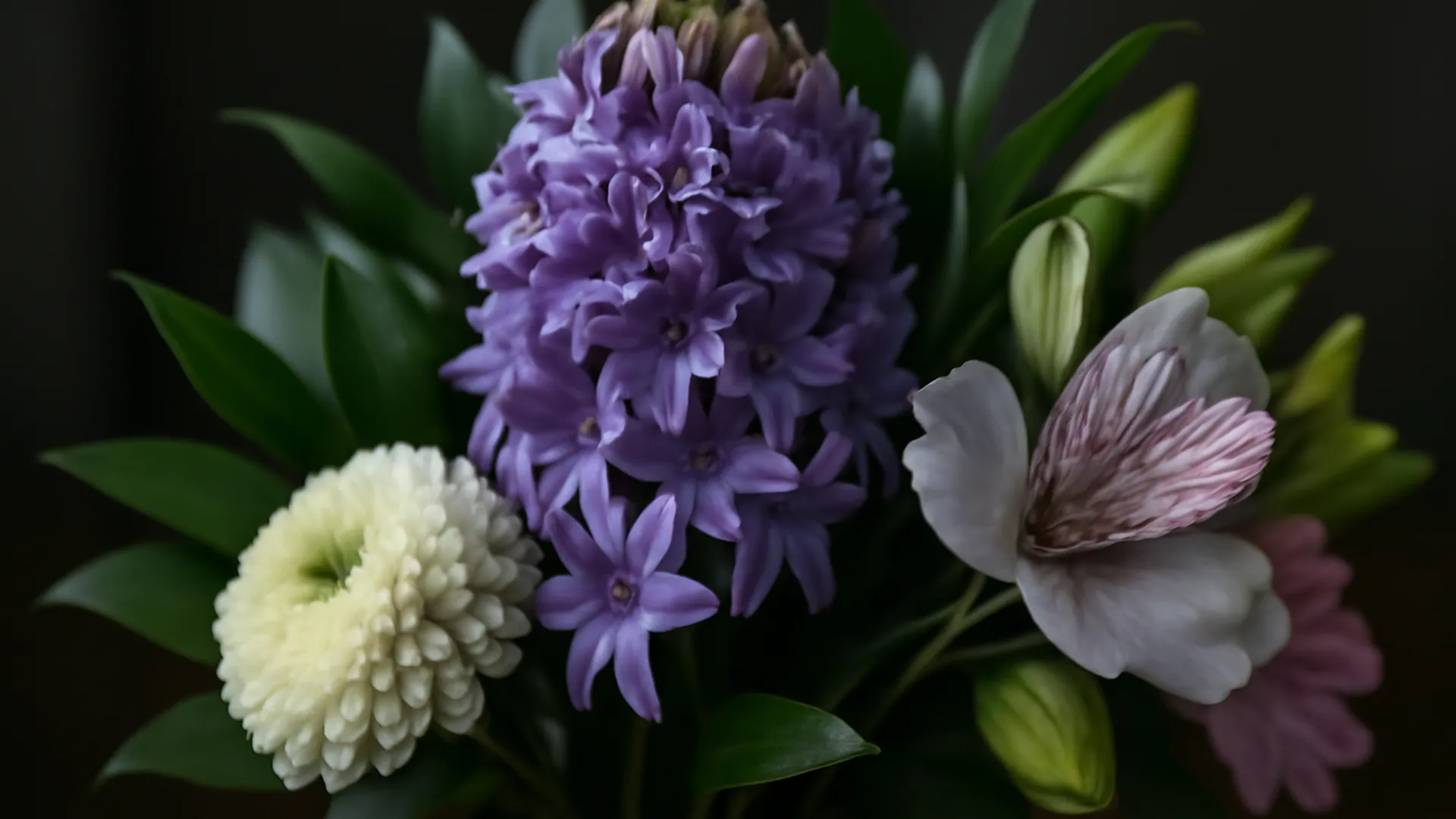
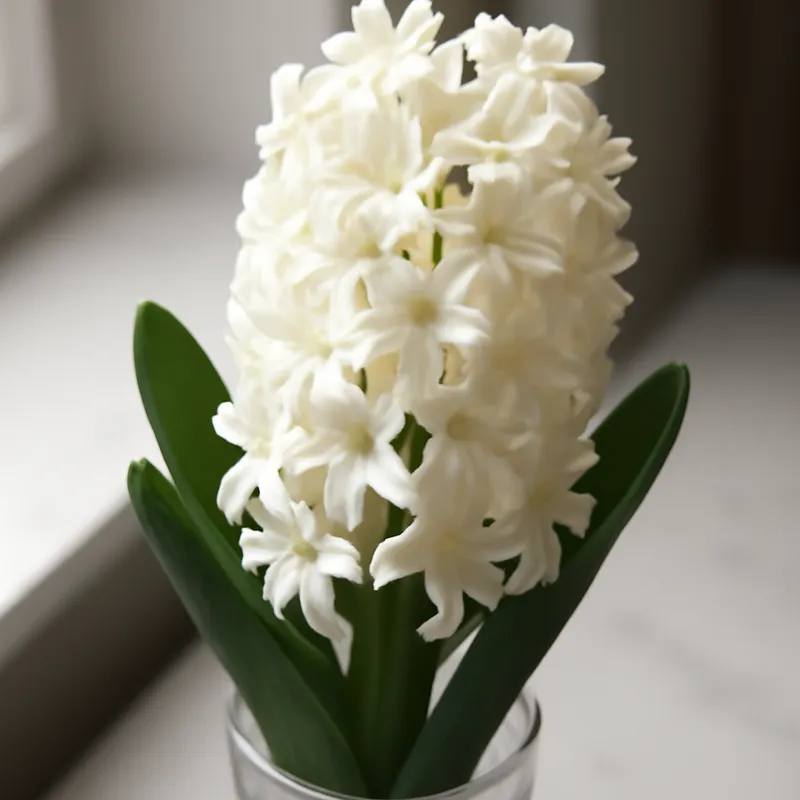
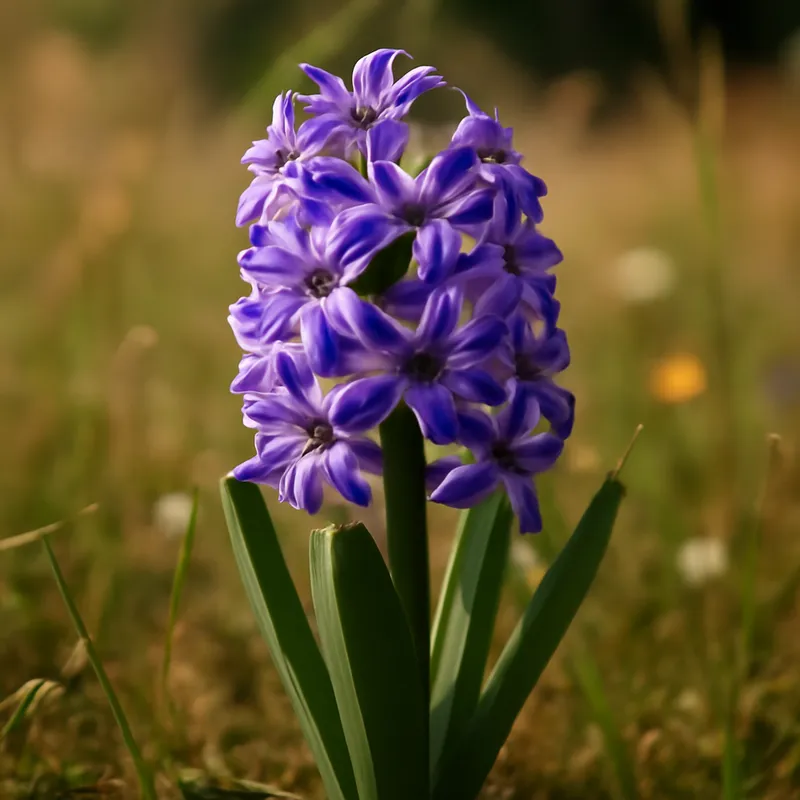
Hyacinthus orientalis originates from the eastern Mediterranean region and has developed over centuries into the classic hyacinth we know today. The flower is characterised by its robust, upright stems which can reach 20-25 centimetres in height. The thick, fleshy leaves surround the central flower stem which bears the characteristic cylindrical flower cluster.
The Magic of Blooming
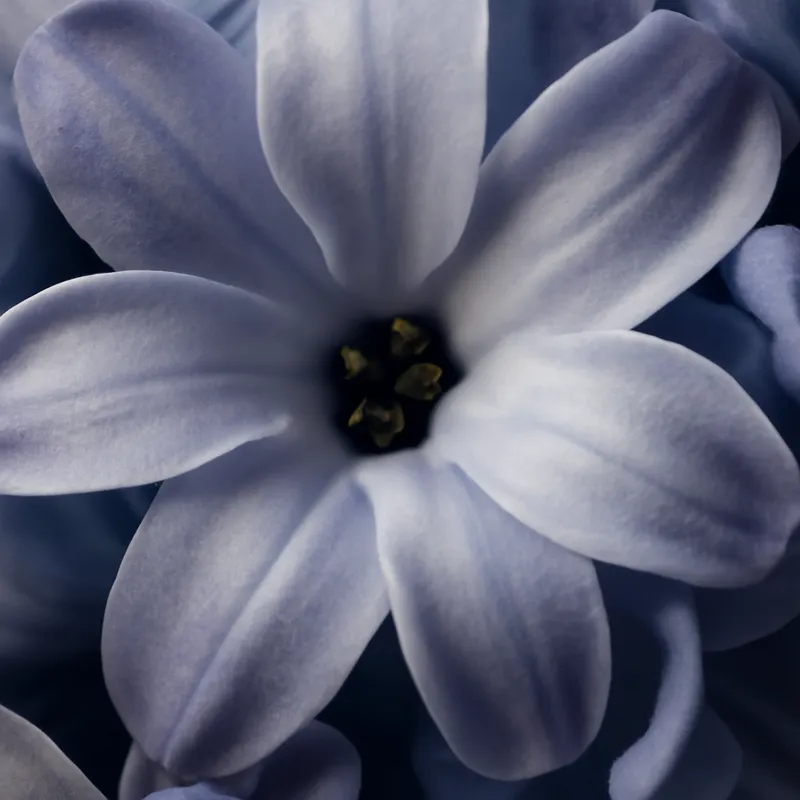
When the hyacinth flowers in April-May, it creates a spectacle for all the senses. The small, bell-shaped flowers are tightly packed along the stem and release an intoxicating fragrance that can be detected from a distance. The colour palette ranges from deep violet and pink to crystal white and sunny yellow, making it possible to create beautiful colour combinations in the garden.
Planting for Best Results
Plant the bulbs in autumn, preferably in October-November before the ground freezes. Choose a sunny to semi-shaded spot with well-draining soil. Plant the bulbs at a depth equivalent to three times the bulb's height, usually 12-15 centimetres deep. Space them 10-15 centimetres apart to give them sufficient room.
Care Through the Seasons
In spring, when shoots emerge, it's important to keep the soil lightly moist but not waterlogged. After flowering, allow the leaves to remain until they yellow naturally, as they gather nutrients for next year's blooms. Avoid cutting the leaves too early as this weakens the bulb.
Overwintering and Perennial Growing
Classic hyacinth is completely hardy and copes with Norwegian winters without difficulty. The bulbs can remain in the ground year after year, although flowering often becomes less intense after the first year. To maintain vigorous blooming, you can add new bulbs every other year.
Garden Uses
These versatile flowers are excellent in flower beds, rock gardens and as border planting. They are also perfect for forcing indoors during winter, giving you the opportunity to enjoy their beauty and fragrance as early as February-March. Combine them nicely with other spring bulbs such as tulips and daffodils for prolonged flowering.