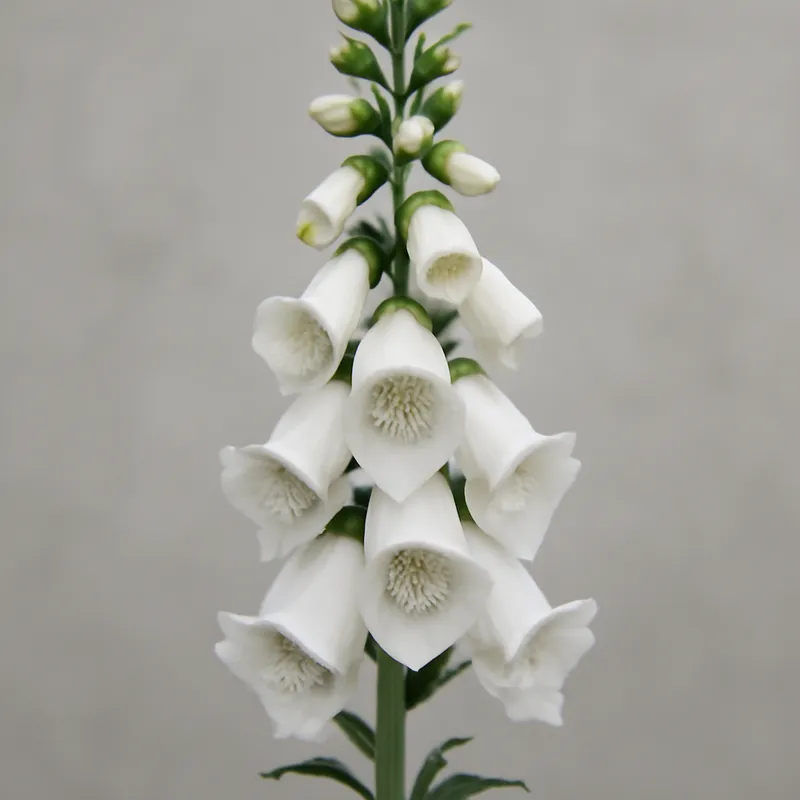


Baby's Breath white, with its botanical name Gypsophila paniculata, is one of the garden's most beloved perennials. This graceful plant creates a cloud-like effect with its countless tiny white flowers floating on thin, branching stems. The name baby's breath comes from the flowers' airy appearance, which resembles a bridal veil caught in the wind.
A classic perennial for every garden
Baby's breath is a long-lived plant that can grow up to a metre tall and equally wide. It forms large, bushy plants with narrow, blue-green leaves and develops enormous flower clusters during summer, filled with small star-shaped flowers. Each individual flower is only a few millimetres across, but together they create a spectacular display that brightens up the entire garden.
Flowering and season
Flowering occurs mainly during July and August, but can continue into September if growing conditions are favourable. The small white flowers are not only beautiful to look at but also release a subtle, pleasant fragrance. After flowering, small seed capsules develop which can be used to propagate the plant or saved for drying.
Planting and soil requirements
Baby's breath thrives best in well-drained, chalky soil with good drainage. The plant cannot tolerate waterlogging and will easily rot if the soil is too wet. A sunny to partially shaded location gives the best flowering. When planting, it is important to give each plant plenty of space as they can grow quite large and need good air circulation.
Care during the growing season
During the active growing season, baby's breath requires moderate watering. It is better to water deeply but less frequently than to give small amounts often. The plant is relatively drought-tolerant once established. Feeding is needed sparingly – a light compost application in spring is usually enough for the entire season.
Pruning and maintenance
After flowering, faded flower stems can be cut back to encourage possible repeat flowering. In autumn, leave the plant in place as it provides structure to the garden even when dormant. Final pruning is done in spring when new growth begins to appear.
Garden uses
Baby's breath white is perfect as a specimen plant but also works excellently in mixed flower beds where it creates airiness between more compact plants. It is particularly beautiful combined with roses, delphiniums and other classic garden plants. The flower stems are also popular as cut flowers and for drying.
Overwintering and longevity
As a perennial, baby's breath overwinters in the soil and returns year after year. The plant often becomes more beautiful and larger with each passing year. In cold climates, a light winter protection of evergreen branches can be helpful, but in most cases the plant manages without extra protection.