
Common Poppies: A Guide to Growing These Charming Flowers
Common poppies, scientifically known as Papaver rhoeas, are among nature's most charming and easy-to-grow annual flowers. This beautiful variety of poppy enchants with its soft pink petals that dance in the breeze, creating a romantic atmosphere in the garden.
A Flower with Character and Charm
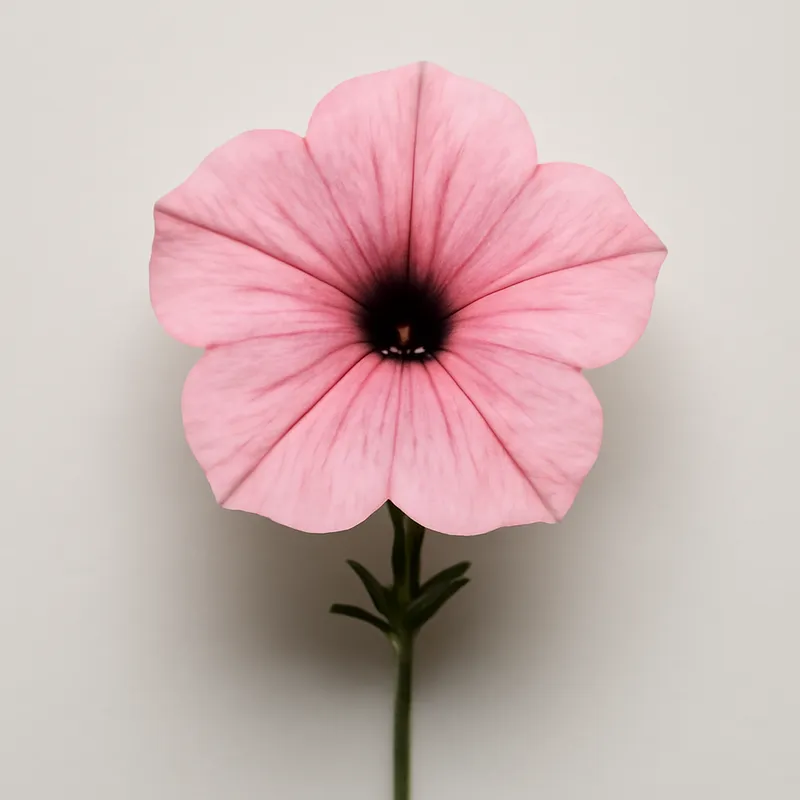
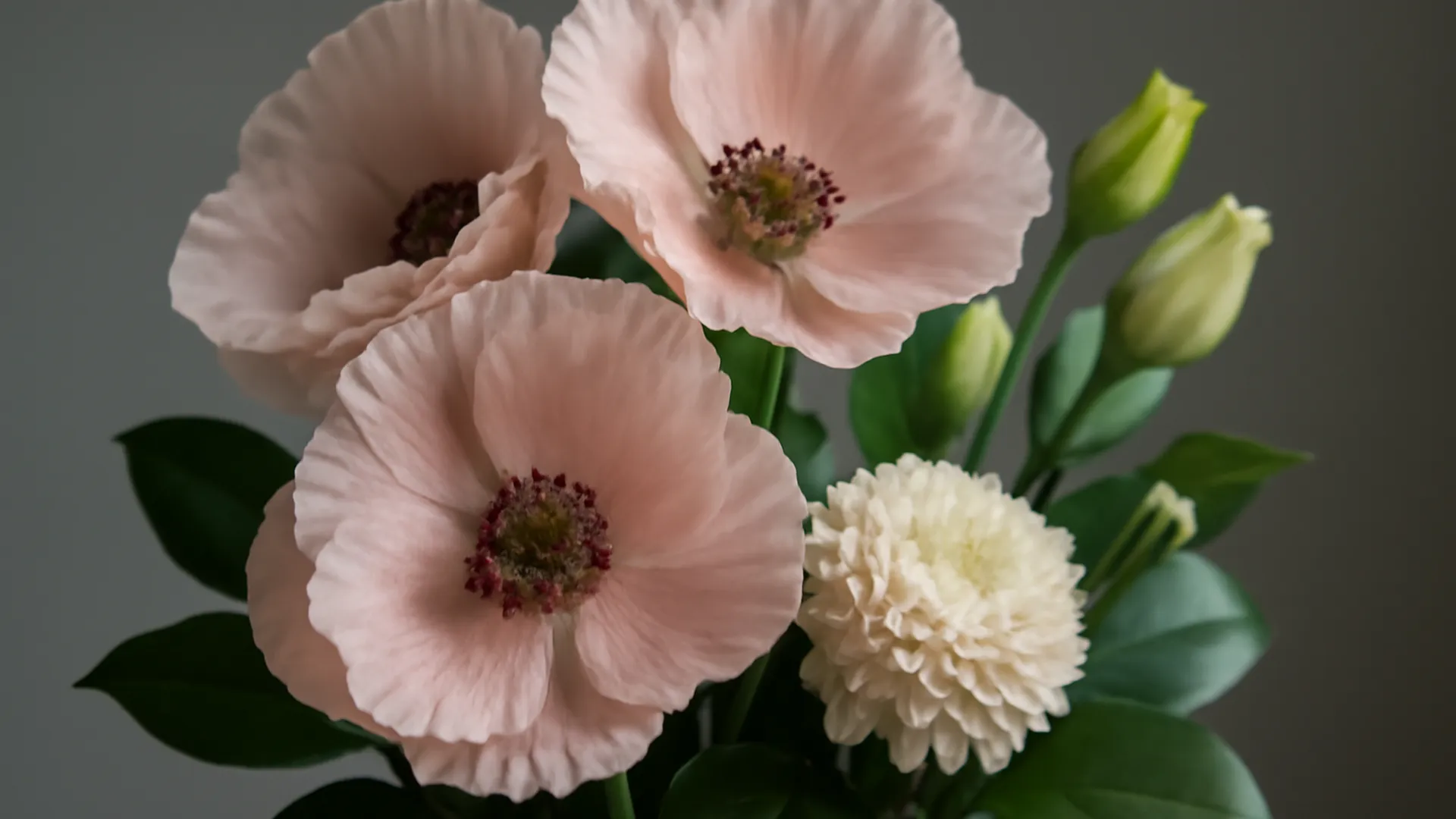
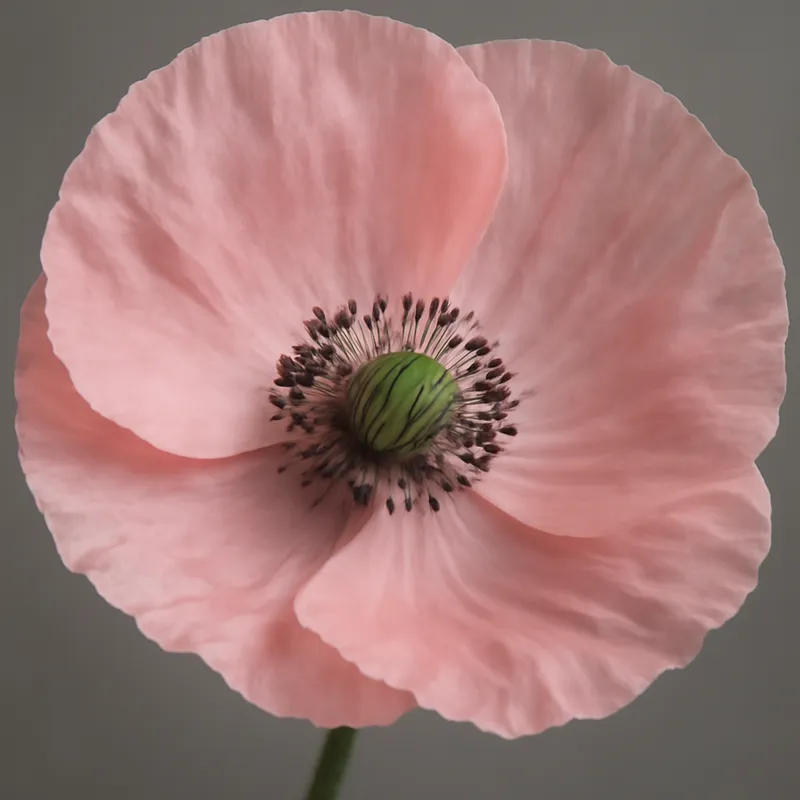
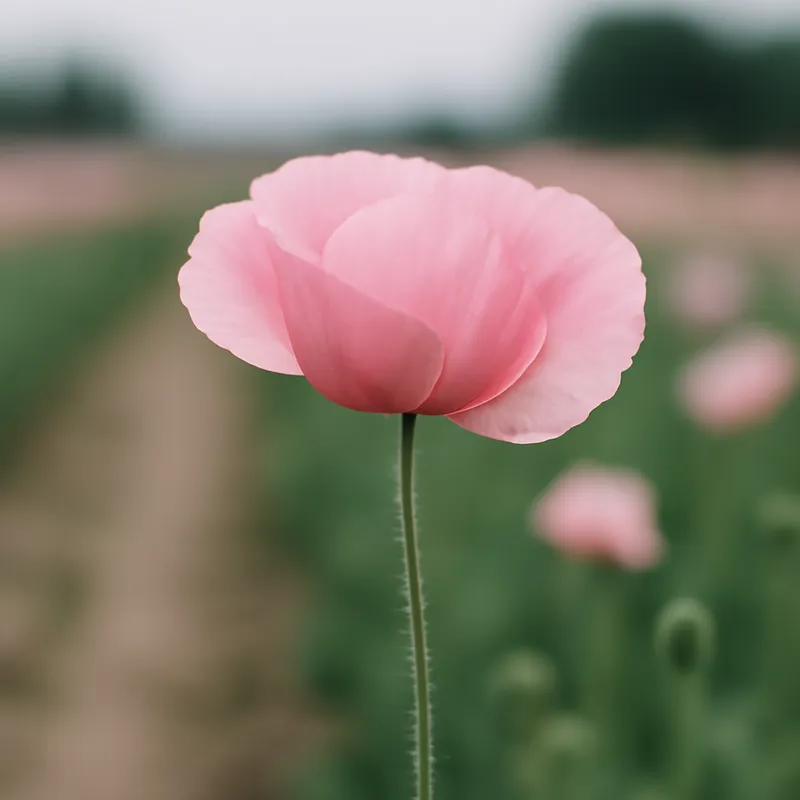
Common poppies are characterised by their large, papery petals in various shades of pink—from pale powder pink to deeper coral tones. The flowers can reach up to 8 centimetres in diameter and sit on long, hairy stems that can grow between 30-60 centimetres tall. The distinctive black blotches at the base of the petals create a beautiful contrast against the pink colouring.
Ideal Growing Conditions and Soil
Poppies thrive in a sunny to partially shaded location with well-drained soil. The plant is surprisingly adaptable and tolerates both poor and nutrient-rich soil, though it prefers slightly alkaline to neutral pH. Avoid overly wet soil as this can lead to root problems.
Sowing and Establishment
Common poppies are sown directly where they are to flower in spring once the risk of frost has passed, typically in April or May. Seeds are very small and should be covered only lightly with soil or gently pressed down. Keep the soil evenly moist during germination, which occurs within 1-2 weeks. The plant does not transplant well due to its sensitive taproot.
Care During the Growing Season
One of the poppy's greatest advantages is its low maintenance requirements. Once established, the plants need minimal watering and cope surprisingly well with drought. Over-watering can actually harm the plant more than help it. Regular deadheading of spent flowers extends the flowering period and encourages new blooms.
Flowering and Seed Production
Flowering typically occurs from June to August, depending on when sowing took place. Each individual flower lasts only a few days, but the plant continuously produces new buds. If you wish to collect seeds for next year, allow some of the final flowers to develop their characteristic seed pods.
Combinations and Uses
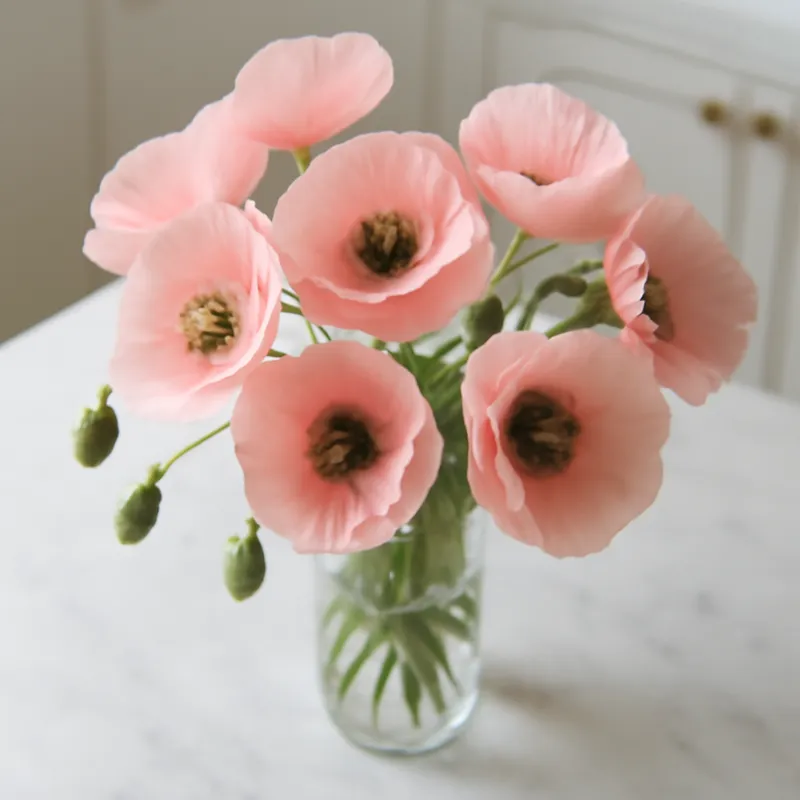
Common poppies work beautifully in natural plantings alongside other wildflowers such as cornflowers, ox-eye daisies and marigolds. They are also lovely in cut flower arrangements, although the flowers are short-lived in a vase. For best results, cut the stems early in the morning and sear the stem ends quickly to prolong their vase life.
Natural Self-Seeding
One of the poppy's most valued qualities is its ability to self-seed. If you allow some seeds to mature and fall naturally, you will likely see new plants appear the following year. This creates a natural, relaxed feel in the garden where flowers appear in unexpected places.