

White Lilac (Syringa vulgaris) - A Classic Garden Favourite
White lilac (Syringa vulgaris) is one of our most beloved and traditional garden plants. With its powerfully fragrant, white flower clusters that appear in late spring, this shrub creates a magical atmosphere in the garden. The white variety of the classic lilac offers an elegant and pure beauty that works beautifully in both formal and naturalistic garden settings.
The Magnificent Blooms
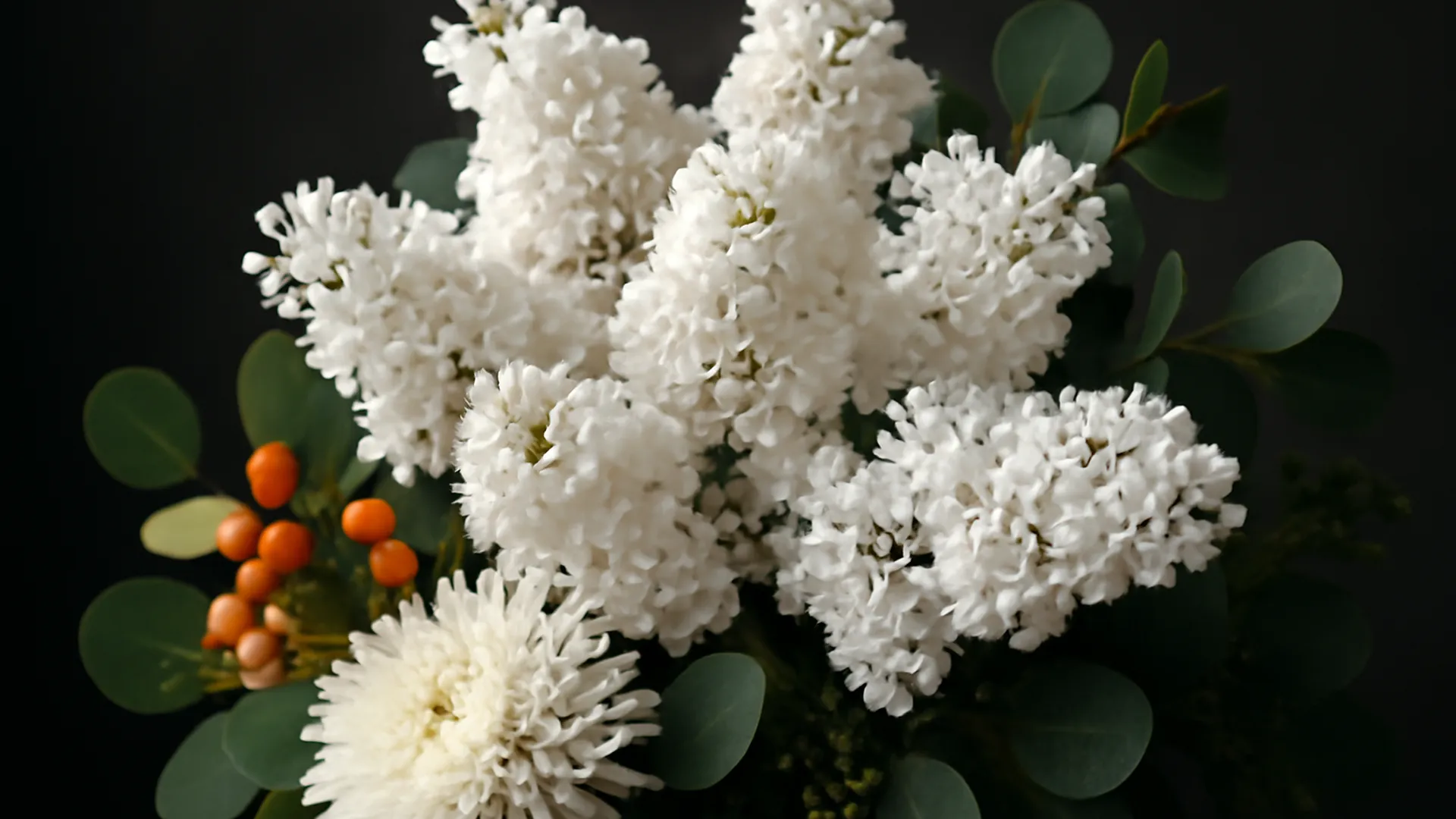
White lilac typically flowers in May and June, depending on climate and weather conditions. The flower clusters can reach up to 20 centimetres in length and consist of countless small, four-petalled flowers that emit an intense and sweet fragrance. This scent is so characteristic that it has become synonymous with the arrival of late spring. The flowers attract butterflies, bees and other pollinating insects, making lilac a valuable plant for biodiversity.
Growth and Size
White lilac grows as a multi-stemmed shrub that can reach a height of 3-7 metres and a width of 2-4 metres when fully mature. The plant has an upright, somewhat spreading form with sturdy branches. The leaves are heart-shaped to oval, dark green on the upper surface and lighter underneath. In autumn, the foliage often takes on a yellowish tone before the leaves fall.
Planting and Establishment
The best time for planting is in autumn or early spring when the plant is dormant. Choose a sunny to semi-shaded location with well-draining soil. Lilac thrives best in chalky soil with a pH value between 6.5 and 7.5. Dig a planting hole twice as wide as the root ball and equally deep. It's beneficial to mix compost or well-rotted manure into the soil to improve structure and nutrient content.
Care During the Growing Season
In the first year after planting, lilac requires regular watering to establish properly. Thereafter, it is relatively drought-tolerant but benefits from watering during prolonged dry periods. Mulching around the plant helps retain moisture and keep weeds at bay. An annual application of compost or organic fertiliser in spring promotes growth and flowering.
Pruning for Optimal Blooming
Correct pruning is essential for lilac flowering. Prune immediately after flowering, ideally within six weeks, as next year's flower buds form during late summer. Remove spent flower clusters and thin out older branches to promote air circulation and new growth. Avoid hard pruning late in the season as this can negatively affect next year's flowering.
Winter Hardiness and Overwintering
White lilac is very hardy and copes with British winters without difficulty. The plant is adapted to temperature zones down to -30°C. No special winter protection is needed, but avoid planting in very exposed locations where cold winds can damage young shoots.
Uses in Garden Design
White lilac works excellently as a specimen plant, in hedges or as part of a mixed shrub planting. The classic white colour complements other spring-flowering trees and shrubs beautifully. Many gardening enthusiasts appreciate the opportunity to cut stems for indoor bouquets, where the intense fragrance can be enjoyed in the home.