The White Iris
The white iris is one of the garden's most elegant and timeless plants. With its majestic white flowers and distinctive sword-like foliage, it creates a sophisticated atmosphere in any planting scheme. Iris belongs to the Iridaceae family and is available in many different species and varieties, with the white varieties particularly prized for their pure and classic beauty.
The Magic and Appearance of the Bloom
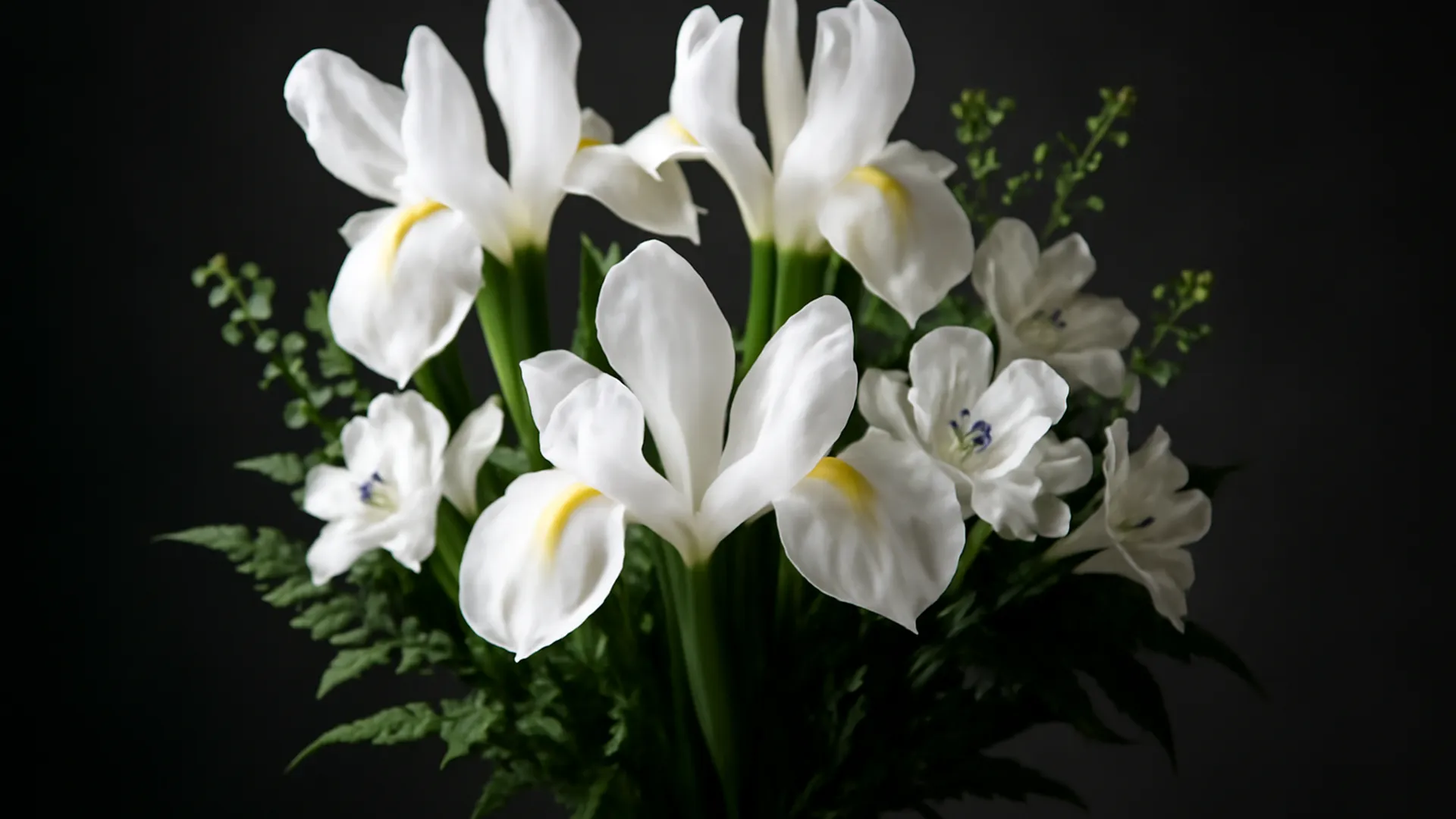
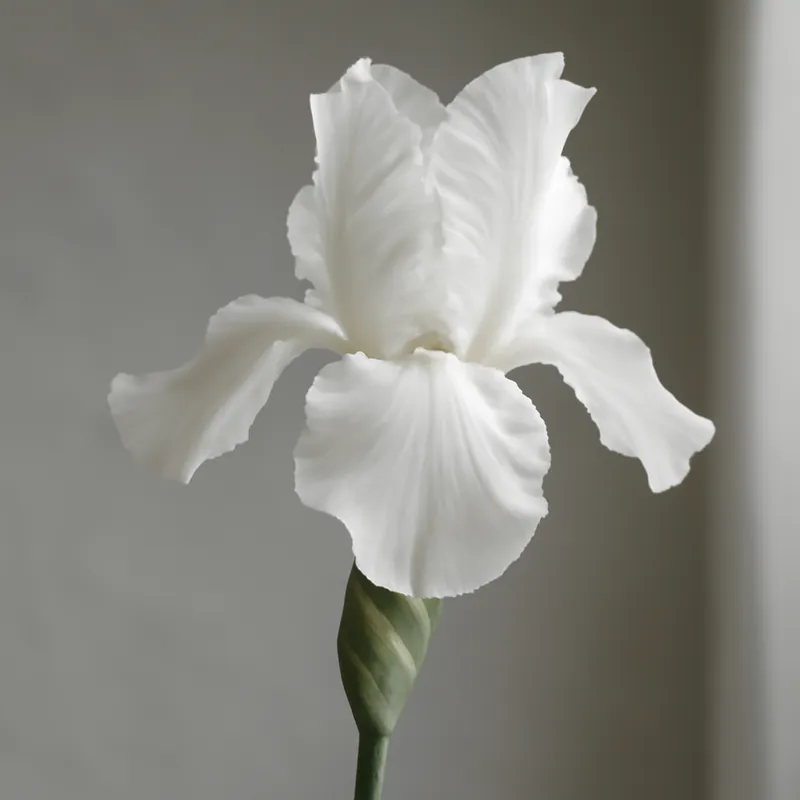
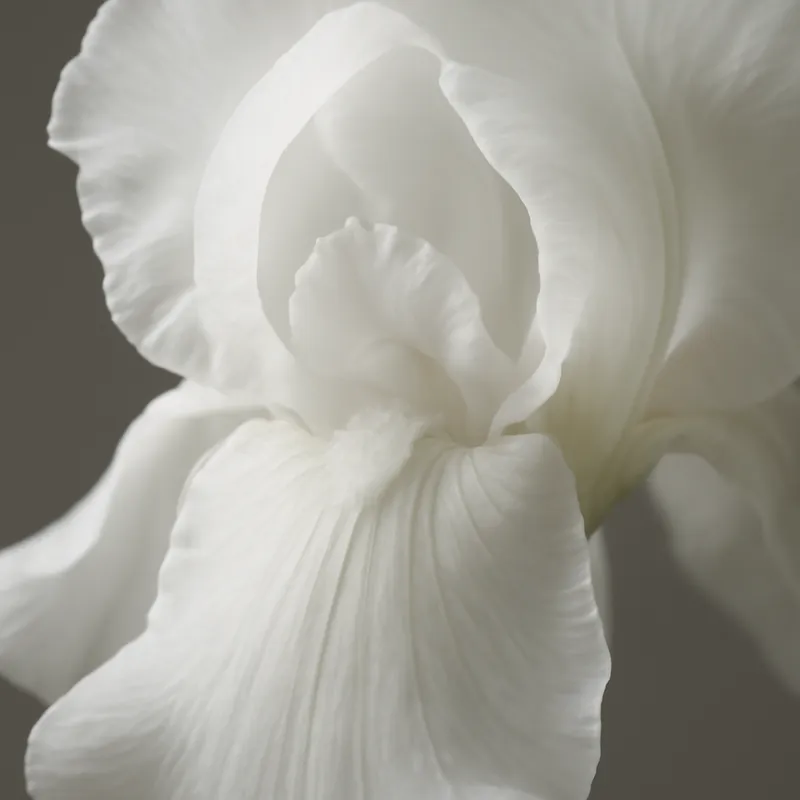
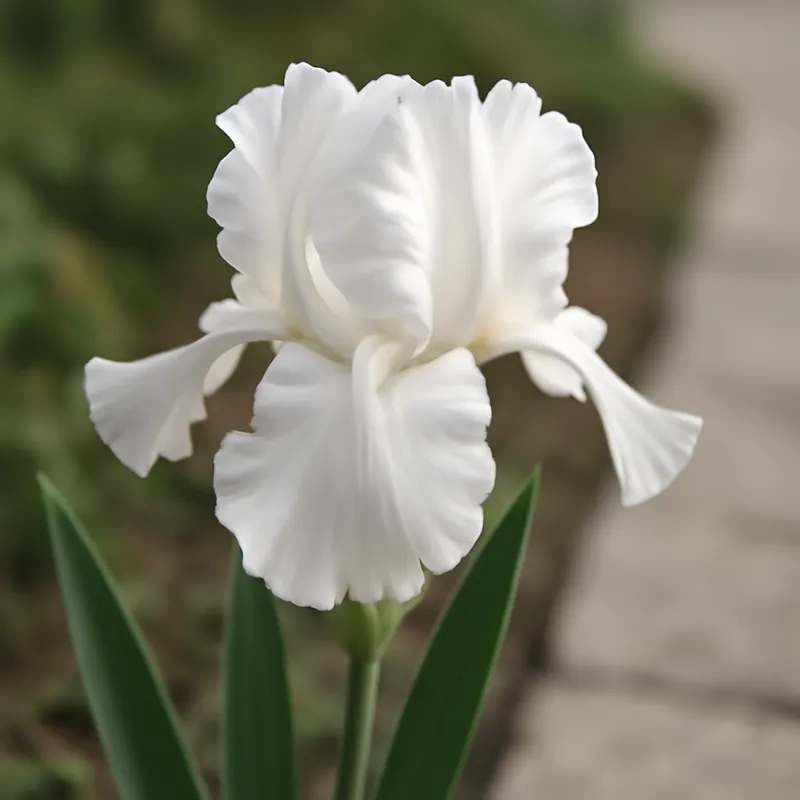
White iris flowers have a unique structure with three upright petals and three drooping sepals, often adorned with subtle yellow or green markings at the base. Flowering typically occurs in early summer and can last for several weeks depending on the variety and weather conditions. The leaves are long, narrow and blue-green, creating a beautiful contrast against the snow-white blooms.
Planting and Soil Requirements
White iris thrive best in well-draining soil with a neutral to slightly alkaline pH. Most varieties prefer sunny to partially shaded locations with at least six hours of sunlight daily. When planting, it is important not to plant the rhizome too deeply – it should lie just below the soil surface or even be partially visible. This prevents rot and promotes strong growth.
Watering and Feeding
During the growing season, iris require regular watering, especially during dry periods. However, it is important to avoid overwatering as this can lead to rot. After flowering, reduce watering gradually. Light feeding in spring with a balanced garden fertiliser provides the plant with the nutrients needed for optimal flowering.
Seasonal Care
After flowering, remove spent flowers to prevent seed formation and direct energy towards rhizome development. However, leave the foliage in place until it naturally yellows and wilts, as it continues to produce nutrients for the rhizome. In late summer, old and damaged leaves can be carefully removed.
Division and Propagation
White iris should be divided every three to four years to maintain flowering vigour. The best time for division is late summer, a few months after flowering. Carefully dig up the rhizomes and divide them with a sharp knife so that each section has at least one leaf and roots. New plants establish quickly and typically flower again the following season.
Garden Combinations
White iris work excellently as specimen plants but also look stunning in groups or as part of mixed flower beds. They complement other perennials particularly beautifully, such as lavender, roses and ornamental grasses. Their elegant appearance makes them perfect for formal garden designs but they are equally suited to more naturalistic plantings.