


Sweet Pea in Pink
Pink sweet pea is one of the most beloved climbing flowers in British gardens. With its Latin name Lathyrus odoratus, it belongs to the pea family and is renowned for its fantastic fragrance and beautiful blooms that continue from midsummer until the first frost.
The Magic of Fragrance and Beauty of Bloom
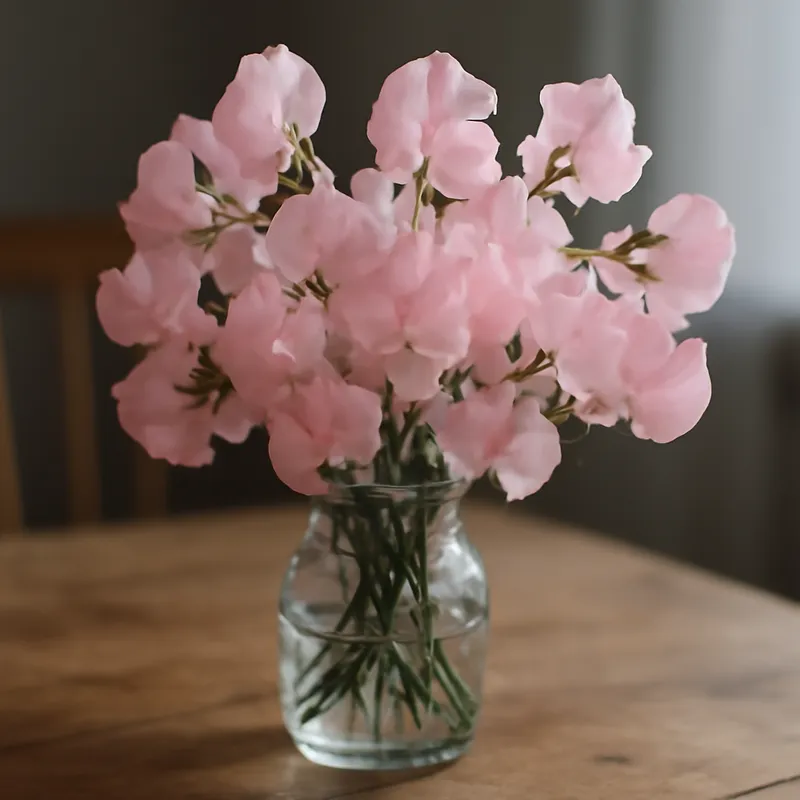
The pink sweet pea offers a wonderful variety of shades, from pale blush to deeper pink tones. The flowers display the characteristic pea flower shape with their delicate ruffled petals that resemble tiny butterflies. What truly sets sweet pea apart is its intense, sweet fragrance, which is strongest in the evening and early morning.
Planting and Growth
Sweet pea is an annual climbing plant that can reach heights of up to two metres. It climbs with the help of its tendrils and therefore requires support in the form of trellises, fences or other climbing structures. Sow seeds directly into the soil in spring once the frost risk has passed, or start them indoors a few weeks earlier.
Soil Requirements and Nutrition
For best results, sweet pea thrives in nutrient-rich, well-draining soil with good humus content. The soil should be moist but not waterlogged, and the plant prefers a pH level between 6.0 and 7.5. Add compost or well-rotted manure before planting to provide the plant with the nutrients it needs for abundant blooms.
Care During the Growing Season
Regular watering is important, especially during dry periods. Keep the soil evenly moist but avoid overwatering, which can lead to rot. Deadhead spent flowers regularly to encourage continued blooming and prevent the plant from setting seed too early.
Position in the Garden
Pink sweet pea is ideal along fences, near pergolas or as a backdrop in flower beds. It thrives best in a spot with morning sun and shade during the hottest hours of the day. The plant is also popular as a cut flower and stays fresh in a vase for a long time.
Combinations with Other Plants
Pink sweet pea harmonises beautifully with other pastel-coloured flowers such as delphiniums, hollyhocks and summer phlox. It can also be used to soften stronger colours in borders and creates a romantic feel in the garden.
Flowering Season and Conclusion
Blooming continues right up until the first frost, making sweet pea a reliable flower for the latter part of the gardening season. When the plant dies back in autumn, it can be composted, and new seeds can be collected for next year's growing.